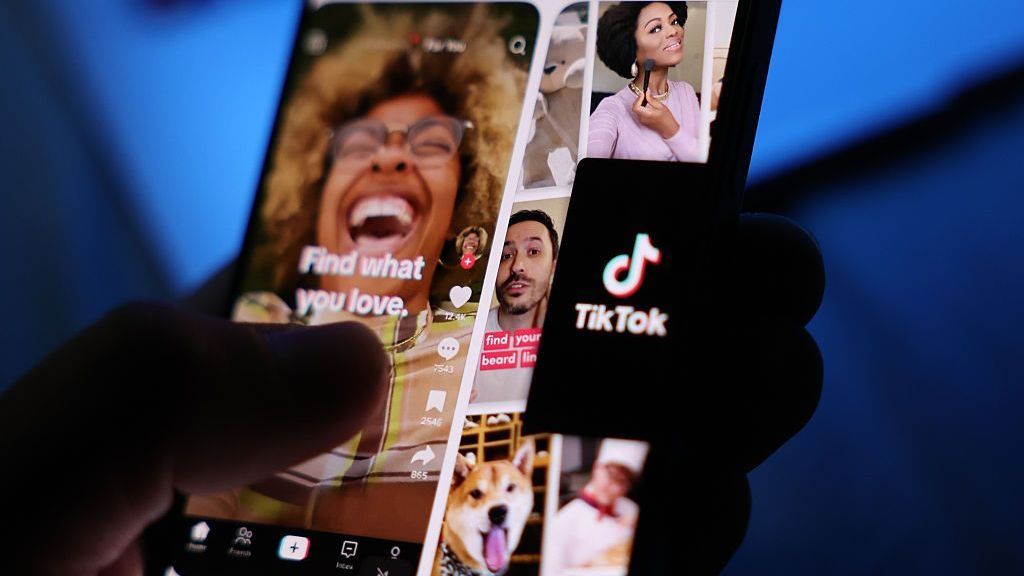
One of the world’s most widely used short-form social media platforms, TikTok, and its parent company ByteDance have reached a landmark $100 million lawsuit settlement with the U.S. state of Alabama. The agreement, which resolves allegations that TikTok deliberately designed its platform to hook underage users, was finalized mere hours before a scheduled jury trial was set to begin on Monday, marking the first time the platform has resolved a legal claim with an entire U.S. state.
The legal action brought by Alabama mirrored dozens of similar lawsuits filed across the country against major social media platforms, all centered on accusations that tech companies prioritize engagement over child well-being by building addictive algorithmic features that target young, impressionable users. Under the terms of the settlement, TikTok is required to roll out a sweeping suite of new safety protocols that will apply exclusively to users based in Alabama.
Key mandatory changes include an automatic daily two-hour usage cap for all minor accounts, plus built-in restrictions that block platform access during standard school hours and overnight. Many of these new rules align with the safety framework established in an August 2024 settlement between Meta, TikTok’s biggest social media rival, and a coalition of 52 U.S. state attorneys general. While the time-based restrictions went into effect immediately after the settlement was announced, TikTok has been granted up to 12 months to roll out more complex changes, including mandatory age verification systems for all new and existing accounts.
Additional requirements laid out in the settlement include expanded parental control tools that let caregivers heavily moderate their children’s account activity, restrictions on the visibility of minor accounts to adult users, mandatory alerts to parents when an adult initiates interaction with a teen user, a complete ban on all cosmetic filters for underage accounts, and targeted restrictions on content deemed harmful to children. To enforce compliance, the settlement includes a penalty clause that requires TikTok to pay up to an additional $200 million (for a total of $300 million) if the company fails to meet all outlined requirements within the agreed timelines. The initial $100 million payment must be submitted to the state of Alabama within 45 days.
Katherine Robertson, chief counsel in the Alabama Attorney General’s office, called the outcome a major win for the state in an interview with the BBC, noting that the final agreement matched Alabama’s last proposed offer during pre-trial mediation. “This is very restrictive injunctive relief that’s going to require them to change a lot of the policies that we had identified as the culprits in what we call the war on childhood,” Robertson told reporters.
In a statement following the settlement, a spokesperson for TikTok’s U.S. operations division emphasized that the company has long centered safety for its younger user base. “TikTok’s priority has always been fostering a safe and positive space where people can be creative, discover what they love, and connect with their community,” the spokesperson said. “This builds on our commitment and core objective to continually enhance our robust safety tools to protect teens.”
The settlement includes ByteDance as a named party due to the company’s ongoing minority stake in TikTok’s U.S. joint venture. Earlier in 2025, TikTok restructured its U.S. business ownership, turning over majority operational control to a group of U.S.-based investors while ByteDance retains a minority share of the venture.