For the first time in United Kingdom legal history, a 65-year-old former Rwandan doctor has appeared before a British court to face charges connected to the 1994 Rwandan genocide.
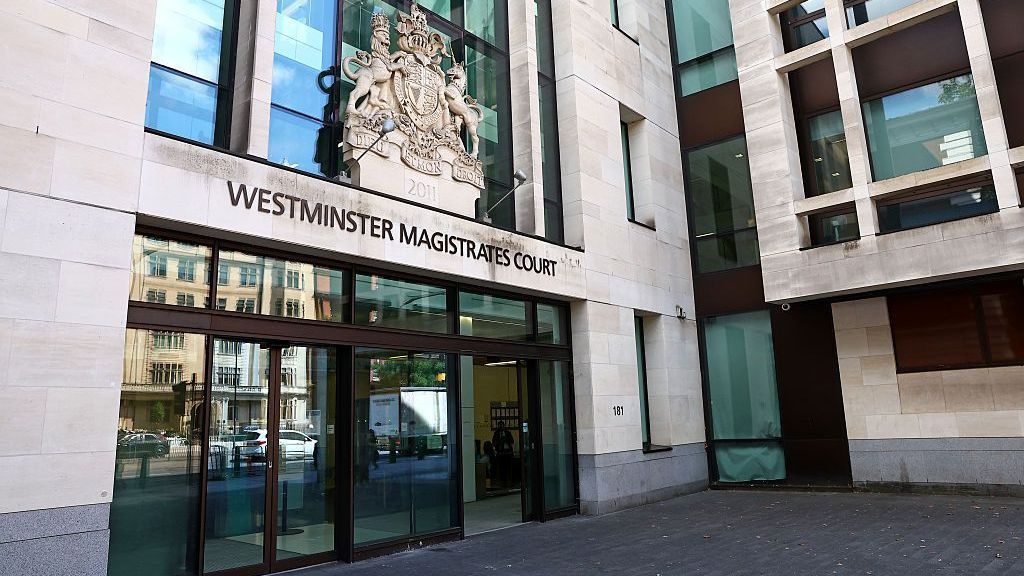
Previously known as Vincent Bajinya, Dr. Vincent Brown entered a not guilty plea through his legal representation during his initial hearing at Westminster Magistrates’ Court. Held in custody since his arrest, Brown confirmed his identity and current address from the dock, marking the conclusion of a seven-year long investigation carried out by British law enforcement into his alleged role in the 100-day massacre.
Brown faces one count of conduct ancillary to genocide, plus six additional counts of conduct ancillary to murder as crimes against humanity. The charges stem from allegations that between April 6 and April 13 1994, Brown participated in the mass killing of Tutsi civilians in the Rugenge district of Rwanda’s capital, Kigali. Prosecutors allege that Brown personally took part in, directed, and encouraged the killing of six named Tutsi victims, including a mother and her young child, and that he acted with the explicit intent to destroy the Tutsi ethnic group, in whole or in part. The charges are brought under the UK’s 2001 International Criminal Court Act, which allows British courts to prosecute individuals for genocide committed overseas, noting that the alleged killings formed part of a widespread, systematic attack against a civilian population that Brown was aware of.
Background to the case traces back to the 1994 Rwandan genocide, when a Hutu extremist government orchestrated a 100-day campaign of mass violence that left an estimated 800,000 Tutsis and moderate Hutus dead. After qualifying as a medical doctor in Rwanda in the 1980s, Brown rose through the ranks to lead Rwanda’s Department of Family Health in Kigali before relocating to the UK. He went on to work at Praxis, a London-based charity supporting refugees, and served on the UK government’s Refugee Nurses Task Force from 2003 onward.
Sam Blom-Cooper, barrister for the defendant, told reporters outside court that Brown has vigorously denied all allegations and has long awaited his day in court to clear his name before a jury. “For the best part of 20 years, my client has hoped for, longed for, and prayed for this day,” Blom-Cooper said. “While the crimes alleged are appalling and the 1994 murders are unthinkable, this hearing marks the beginning of the end for Dr. Brown, who looks forward to proving his innocence.”
The case was transferred to London’s Old Bailey for a preliminary hearing scheduled for October 9. A decision on Brown’s bail application will be made later Tuesday. British senior law enforcement officials have emphasized for years that the UK will not act as a safe haven for accused war criminals, and investigators on the case have received specialized training in international war crimes legislation. Investigations into other Rwandan genocide suspects currently residing in the UK are ongoing.