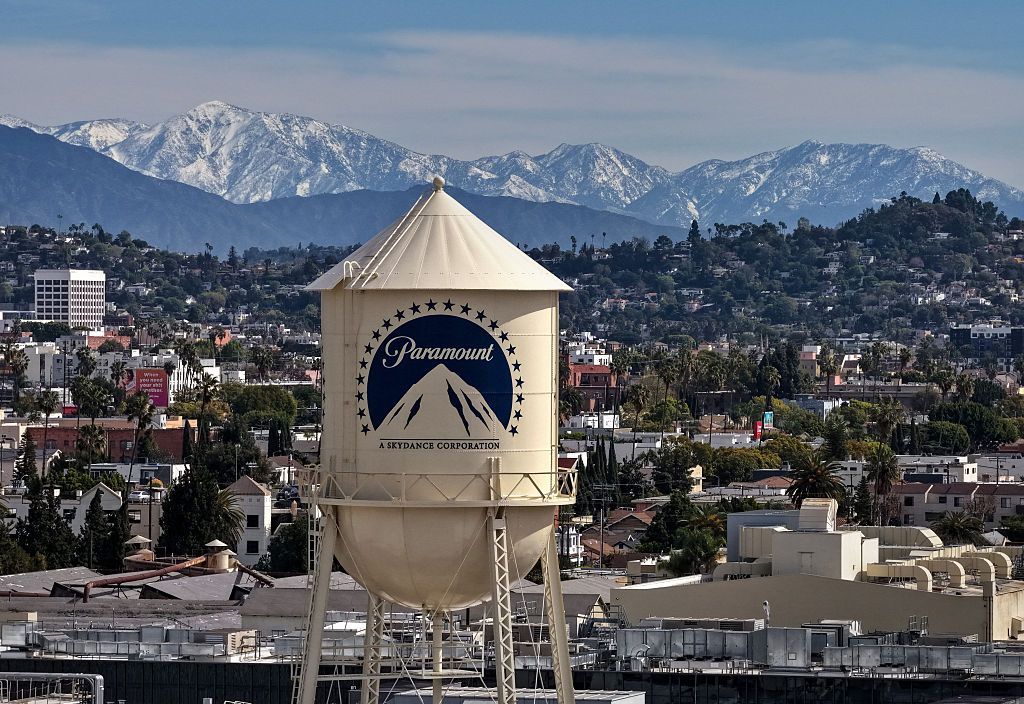
After months of legal gridlock that threatened to derail one of the largest media mergers in recent history, Paramount Skydance has reached a settlement with a coalition of U.S. states led by California, eliminating the most significant barrier to its proposed $110 billion combination with Warner Bros Discovery.
The legal challenge, launched by state regulators, centered on serious concerns that the merger would stifle market competition across the film, television and broadcast sectors, leaving fewer options for creators, industry workers and consumers. California, the epicenter of the U.S. entertainment industry, led the charge against the deal, but the resolution reached this week has resolved state officials’ core objections — without granting explicit approval of the transaction.
At a press conference announcing the deal, California Attorney General Rob Bonta emphasized that the settlement does not equate to an endorsement of the merger. “I don’t think these two companies should merge,” Bonta clearly stated, adding that the negotiated commitments secured through the lawsuit address the most harmful risks the combination would have posed to competition and industry growth.
Under the terms of the settlement, Paramount Skydance has agreed to strict production requirements designed to boost domestic entertainment output in the U.S. The company is mandated to release a minimum of 30 feature films annually, with domestic production requirements ramping up over the first five years of the agreement: 20% of all film production must take place within the U.S. for the first two years, rising to more than 30% for the subsequent three years. Bonta projected that these requirements will add between $300 million and $1.5 billion in new investment to U.S. film and television production as a baseline, a figure that could jump by as much as 700% if Congress approves an expanded federal film tax credit. Contrary to common concerns that large media mergers lead to layoffs and industry contraction, Bonta argued the settlement’s terms will actually create new jobs across the entertainment sector, putting unemployed industry workers back to work.
The settlement comes after tense negotiations that included a threat from Paramount Skydance CEO David Ellison to relocate the company’s core studio operations out of California, a move that would have cost the state billions in economic activity and thousands of jobs. Now that the legal challenge has been resolved, and concerns raised by state attorneys general and the Writers Guild of America have been addressed, the merger has full regulatory clearance to move forward.
Ellison celebrated the resolution in a public statement, framing the outcome as a win for all stakeholders across the entertainment ecosystem. “Our shared aim was an outcome that best serves consumers, workers and — most importantly — the creative community so vital to the art of visual storytelling,” Ellison said. “We have complete clearance for this merger and look forward to putting these commitments into action.”
The $110 billion merger, if completed, would reshape the global media landscape, combining two of the biggest players in film production, television content and streaming entertainment into a single industry giant.