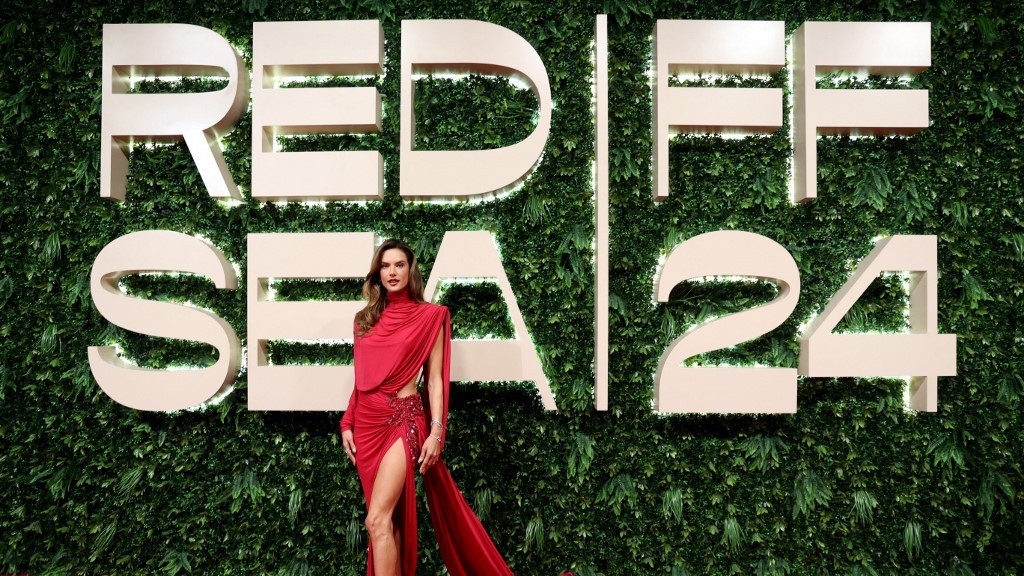
One of the Arab world’s most high-profile international cinema gatherings has been pulled from its upcoming 2025 calendar, with organizers announcing the sixth iteration of the Red Sea Film Festival will not take place as planned, and will instead relaunch in the final quarter of 2027. The event, which was set to run from December 3 to 12 in the Saudi Arabian coastal city of Jeddah, becomes the second major international cultural and sporting event canceled in the kingdom this year, as escalating regional conflicts tied to the ongoing Israel-U.S. military campaign against Iran and Saudi Arabia’s intensifying standoff with Yemen’s Houthi movement create widespread disruption for Saudi Arabia’s high-profile global outreach initiatives.
In an official statement, festival organizers framed the cancellation as a decision rooted in practical logistical planning rather than directly naming the ongoing regional conflicts. The statement noted that the choice followed a full review of multiple factors affecting the timing of the next edition, including the complex operational demands of hosting a large-scale international gathering of this caliber. Organizers added that the event would only return when both the timing and broader conditions are aligned to support a successful festival, promising a renewed vision when it relaunches in 2027 that will continue to celebrate cinematic work from Saudi filmmakers, regional creators, and storytellers across the globe.
The cancellation marks a significant setback for Saudi Arabia’s years-long economic and cultural diversification campaign, which has centered on expanding the kingdom’s footprint in global entertainment, tourism, and creative industries to cut its historic dependence on oil exports. Launched in 2019, shortly after Saudi Arabia ended its 35-year nationwide ban on commercial cinemas, the Red Sea Film Festival and its accompanying Red Sea Souk industry market quickly grew into a flagship event for the kingdom’s creative economy push. The annual gathering has drawn top executives from major global media companies including Netflix, Amazon, and Disney, alongside leading regional players such as MBC, establishing Jeddah as a key hub for regional and international film collaboration.
Regional security tensions have already disrupted another major Saudi international event this year: Formula One called off the 2025 Saudi Arabian Grand Prix, which was scheduled to take place in April at the iconic Jeddah Corniche Circuit, in response to ongoing fallout from the Israel-U.S. military campaign in Iran. The security environment across the Red Sea region has deteriorated sharply in recent months, as the Houthi movement, which controls large swathes of northern Yemen, has stepped up attacks on Saudi urban centers, critical oil infrastructure, and commercial shipping transiting the Red Sea—one of the world’s busiest and most economically vital maritime trade routes.
When the Red Sea Film Festival eventually returns in 2027, it will face stiffer regional competition for industry attention: the Dubai International Film Festival, a long-standing regional rival, is set to relaunch its own edition this December on the 8th, filling the gap left by the Red Sea event’s cancellation and consolidating the United Arab Emirates’ own position as a leading creative hub in the Middle East.