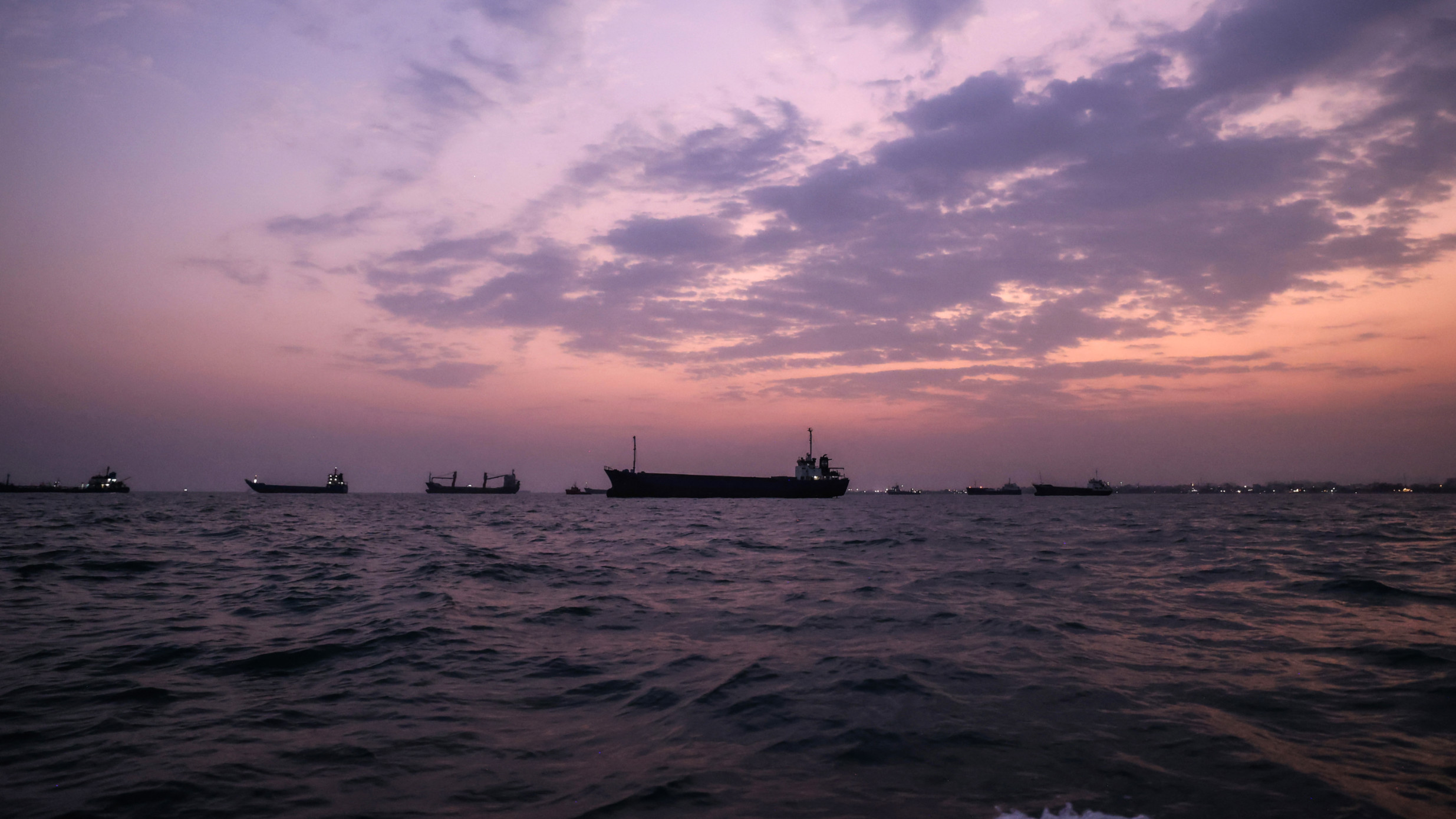
As regional tensions reignite and the United States has reimposed its naval blockade on Iranian ports, a fresh diplomatic crisis has unfolded across the Middle East, rooted in the collapse of a fragile ceasefire agreement between Washington and Tehran. On August 24, Pakistan’s Chief of Army Staff Field Marshal Asim Munir traveled to the Iranian capital to carry a high-stakes message from US President Donald Trump, just hours after the Trump administration launched a sweeping new campaign of economic pressure against Iran.
In Washington that same day, US Treasury Secretary Scott Bessent introduced what he called a “D-Day” economic pressure initiative, issuing a stark warning to any sovereign state that continues to maintain commercial trade with Tehran: those countries will face harsh secondary sanctions for violating Washington’s restrictions.
During his visit to Tehran, Munir held closed-door talks with top Iranian leadership, including Iranian President Masoud Pezeshkian and newly appointed Supreme National Security Council Secretary General Mohsen Rezaei. According to two anonymous sources with direct ties to the Iranian government, Munir delivered one clear, uncompromising message from Trump: the US will not honor the June 17 Iran-US Memorandum of Understanding.
That original MoU was designed to create a foundational framework to end months of open conflict between the two nations and reopen the strategic Strait of Hormuz, a critical chokepoint for 20% of the world’s daily oil shipments. It was also meant to set the stage for more comprehensive negotiations down the line, even though it intentionally left several divisive core issues unresolved to get the ceasefire over the line.
A conservative source familiar with US negotiating positions confirms that Trump is pushing for an entirely new agreement, rather than moving forward with the existing MoU. For Iran, however, the original deal delivers substantial, non-negotiable benefits, according to an anonymous Tehran-based political analyst. These benefits include a critical oil waiver that lets Tehran access its oil sales revenues directly in US dollars, a full end to active conflict across all regional fronts including Lebanon, and the most consequential win for Iran: formal US recognition of its sovereign authority over the Strait of Hormuz.
The analyst explains that Trump has faced growing pressure from hardline opponents inside Washington, particularly neoconservative factions and allies of Israel, who have waged a public campaign accusing the president of “surrendering” to Iranian demands. Over the course of the summer, the US military unilaterally established a new commercial shipping corridor through the Strait of Hormuz, opening a southern channel for tankers along the Omani coast. The analyst says this unilateral move was calculated to undermine the existing MoU, which Tehran views as a clear violation of the agreement’s terms, in order to provoke an Iranian response that would give Trump a pretext to withdraw from the deal entirely.
Over the past six months, the conflict has followed a frustrating pattern: long stretches of relative calm punctuated by sudden, unpredictable outbreaks of sporadic fighting. The battle for control of the Strait of Hormuz flared up again just last week, with Iranian forces and the US military exchanging retaliatory strikes on commercial and military vessels over the weekend. By the start of this week, commercial shipping traffic through the strait slowed dramatically, after Tehran issued new threats to retaliate against any additional US attacks.
The unraveling of the 2026 MoU actually began in early July, when bitter disputes emerged over implementation, particularly centering on the terms for reopening the strait. After Iran targeted vessels transiting through the waterway in response to Washington’s unilateral corridor establishment, the US revoked key oil export sanctions relief on July 7, effectively eliminating the single most important economic concession the agreement granted Iran. The two sides have also clashed repeatedly over Iran’s legal authority to regulate maritime traffic through the strait, as well as the timeline and scope of lifting the US naval blockade.
Just three days after Munir’s August 24 visit to Tehran, senior Qatari officials led by the Qatari Prime Minister traveled to Iran, and they too conveyed Trump’s refusal to reaffirm the original MoU. According to regional sources, Iranian officials made their position clear to both the Pakistani delegation and the Qatari envoys: Tehran will only accept the existing MoU, and no alternative arrangement. At present, both Oman and Qatar, two key regional mediators that have helped facilitate talks between Iran and the US for years, are continuing diplomatic efforts to break the current deadlock, including exploring a revised version of the original MoU that could address some US concerns.
On September 6, a second unannounced Qatari delegation arrived in Tehran, led by influential minister without portfolio Ali Al Thawadi, a veteran backchannel negotiator who is widely credited with bringing Iran and the US to the original June agreement in the first place. Sources confirm that Thawadi delivered Trump’s formal response to Iran’s repeated commitment to the original MoU, with the US president once again reiterating that Washington will not return to the existing agreement. For its part, Iran once again reaffirmed its position to the Qatari delegation: it will not abandon the MoU, nor will it enter negotiations for an entirely new deal, leaving the region in a tense diplomatic standoff.