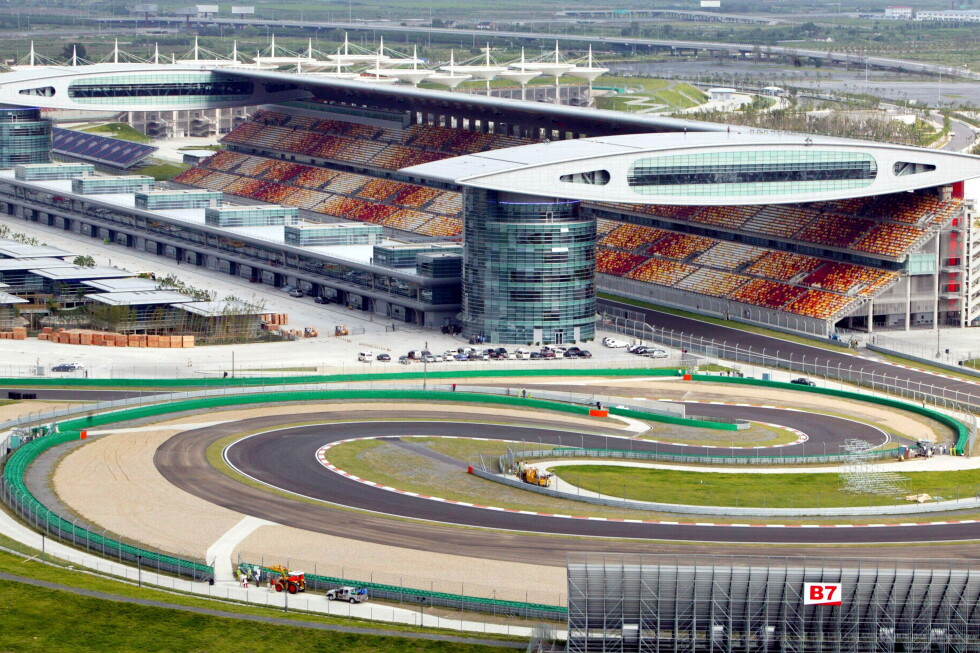
A dramatic high-speed crash at Shanghai International Circuit has sparked major controversy in global GT racing, after a competing driver risked his own life to rescue an injured British racer trapped in a burning vehicle — leading the injured driver’s team to withdraw from all future Chinese events over what it calls gross safety negligence from event organizers. The incident unfolded Saturday during a competitive GT race, when British driver Ollie Millroy’s car caught fire immediately following a heavy collision. With no track safety marshals or professional fire response teams visible at the crash site, Dutch driver Loek Hartog made the split-second decision to pull off the track, grab a fire extinguisher, and pull Millroy from the engulfed wreckage before emergency crews arrived.
In a candid post to his Instagram following the crash, Millroy made clear that his survival depended entirely on Hartog’s quick, selfless action. “I am still alive tonight, entirely thanks to one man,” Millroy wrote. “Loek Hartog stopped instantly with no flag marshals or fire crews in sight and risked his own life to get me out of the car. I don’t remember anything between 30 seconds before the crash and 1 hour after it, but I will remember his incredible act of bravery for the rest of my life.” Hartog downplayed his heroism in a response to the widespread praise he has received, framing his action as a basic human instinct rather than an extraordinary act. “You have nothing to thank me for,” he said. “I wish to live in a world where this would not be considered as bravery — but as the instinct of others, too. I am so grateful to have been at the place I needed to be.”
Millroy suffered severe, life-altering injuries in the crash, according to his social media: six broken ribs, a fractured collarbone, a broken hand, and a punctured lung. He underwent a four-hour emergency surgical procedure at a Shanghai hospital, where medical teams inserted metal plates and screws to stabilize his broken bones, and placed an abdominal drain to remove leaked fluid and gas from his injured lung. He is currently recovering after the operation.
Millroy’s team, Taiwan-based AAI Motorsports, released a scathing public statement criticizing the Chinese event organizers, accusing them of systemic failure in their emergency response protocols that nearly turned the crash into a fatal tragedy. “The event organizer was grossly negligent in its emergency response and safety rescue arrangements, with serious deficiencies in the rescue response that nearly resulted in a tragedy,” the team said. It also called out organizers for an incorrect early report during the live race broadcast that falsely claimed Millroy had exited his vehicle on his own, when in fact Hartog had pulled him from the burning car against all odds. AAI Motorsports has demanded a full, independent, public investigation into the incident, track safety protocols, and the botched emergency response. The team announced it is withdrawing from all future GT racing events held in China until its demands for a transparent probe are met, stating: “We will not return until the event organizing committee conducts a comprehensive, independent and transparent investigation into every aspect of the incident, including the failures in the rescue response, and provides our team with an official response.”
Event organizers have issued a formal apology to Millroy for the incident and the distress it caused, offering sincere sympathy for the driver’s injuries, while pushing back against claims of major systemic negligence. In their public statement, organizers said an initial internal review found that the event’s overall staffing and resource levels met national motorsport safety standards, though they acknowledged that “there remains room for improvement in detailed operational management.” They have committed to conducting a full follow-up investigation into the crash, and pledged to develop updated, more robust protocols to address gaps in race organization, support services, emergency response, rescue operations and medical care for future events.