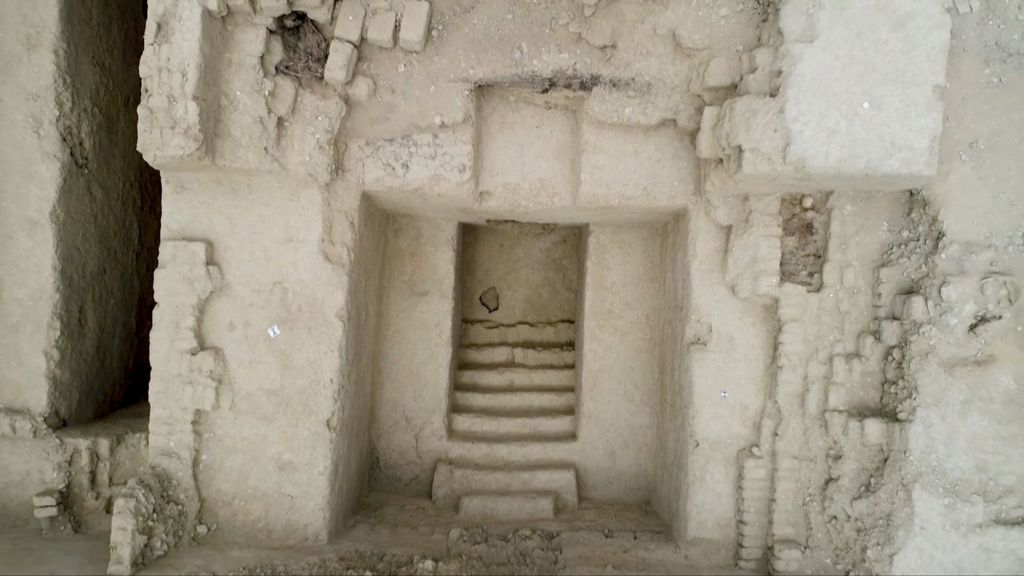
A remarkable archaeological breakthrough has been announced in Peru, where research teams have unearthed a nearly undisturbed ancient burial site linked to the pre-Incan Chimu civilization, one of the most influential pre-Columbian cultures to emerge along South America’s Pacific coast. The discovery, which was captured on video for documentation and public sharing, offers an unprecedented window into the funerary traditions, social structures, and cultural practices of a society that dominated much of northern Peru for centuries before the rise of the Inca Empire. Unlike many ancient tombs in the region, which have been targeted by looters or damaged by centuries of natural erosion, this site was found in an exceptional state of preservation. Archaeologists note that the intact condition of the burial chamber means that artifacts, human remains, and contextual materials that reveal critical details about Chimu life are still in their original positions. This preservation avoids the common problem of looting that has destroyed countless archaeological sites across Peru, allowing researchers to conduct a full, systematic excavation that is expected to yield new insights into Chimu political organization, religious beliefs, and daily life. Initial assessments suggest the tomb may belong to a high-ranking member of Chimu society, given the care taken in its construction and sealing. The excavation team has already begun careful documentation of the site, with plans to remove artifacts and remains for further laboratory analysis in the coming months before putting key findings on public display to expand public understanding of Peru’s rich pre-Columbian heritage. The Chimu civilization, centered on its capital city of Chan Chan near modern-day Trujillo, flourished from around 900 CE until the Inca conquest in the 15th century, and this new find is already being hailed as one of the most significant Chimu archaeological discoveries of the past decade.