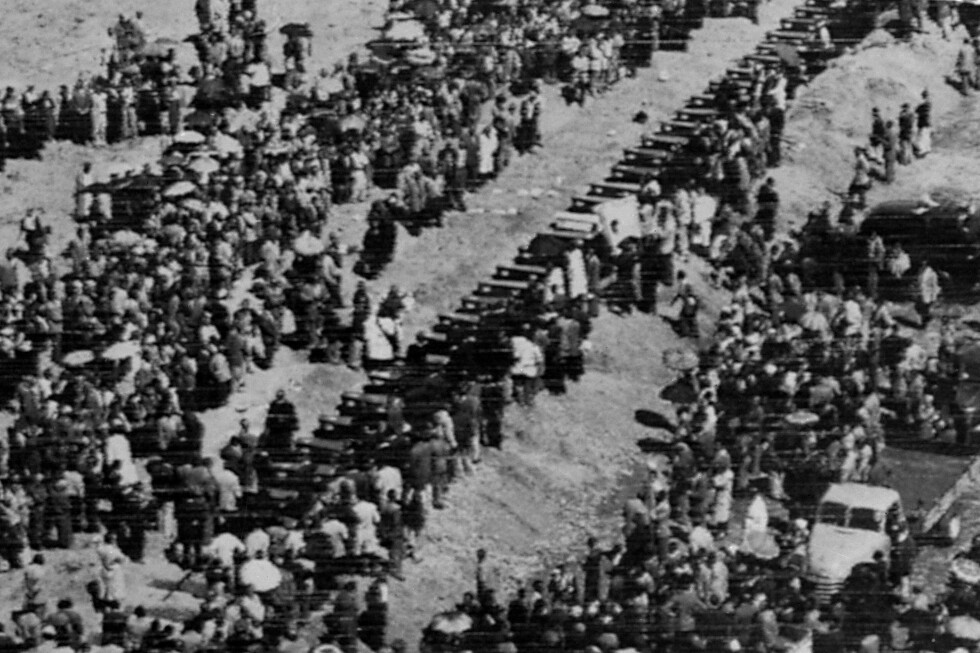
More than 60 years after one of the bloodiest atrocities of South Africa’s apartheid era, survivors and bereaved relatives of the Sharpeville Massacre have taken a historic step to pursue long-denied justice, announcing a class-action lawsuit against the national government this Thursday.
The announcement came during a press briefing held in the Sharpeville township itself, located just south of Johannesburg. Before the formal reveal, family members of those killed in the 1960 violence completed a quiet, solemn procession along the same path that the original 1960 protesters took, acting as living witnesses to the tragedy that still shapes the community today.
On March 21, 1960, apartheid police opened fire on a crowd of unarmed demonstrators gathered to oppose the racist pass laws that tightly restricted Black South Africans’ movement and rights under the segregationist regime. The deadly crackdown immediately drew global condemnation, and the event became a defining turning point in the international movement to end apartheid. Today, the date is commemorated across South Africa as Human Rights Day, a national public holiday.
Official apartheid-era police records list the official death toll as 69, with 180 people injured. But new research cited by the lawsuit plaintiffs puts the actual casualties much higher: at least 91 killed and more than 230 wounded. Many families still carry intergenerational trauma from the attack.
Eighty-seven-year-old Abram Mofokeng is one of three lead representative plaintiffs for the class, which counts more than 70 survivors and relatives who have already committed to joining the litigation. Mofokeng was just 20 years old when he was shot in the foot and back while fleeing the gunfire, and a bullet remains lodged in his back to this day. “It is not possible to forget what happened in 1960,” he said. “I cannot go a day without thinking about how we have been affected.”
The other lead plaintiffs, Paulina Mathinye and Ishmael Poho, both lost their fathers in the massacre when they were small children. Poho emphasized that the lawsuit extends far beyond individual financial compensation, noting that the harm of the massacre has rippled across the entire Sharpeville community for generations. “This is not a case for an individual as such,” he said. “It is a case for every other person who suffers an injustice.”
Central to the legal fight is a demand to strike down the 1961 Indemnity Act, a law enacted by the apartheid government immediately after the massacre that has remained on South Africa’s books ever since. The legislation shields apartheid-era officials from all legal liability for the massacre and wiped all existing victim compensation claims off the books. After the massacre, 250 claims were originally filed, but only around a third received any discretionary payments, with the total amount coming to less than 4% of what victims had originally requested.
If the court strikes down the 1961 law, the plaintiffs will be able to move forward with formal damages claims. Lawyers from Lawyers for Human Rights, which is bringing the case alongside international human rights law firm Leigh Day, note that the legislation violates the current South African constitution’s guarantee of access to the courts. Compensation amounts will be individualized for each claimant, set with input from independent experts, and no total collective value has been announced yet.
The legal action also addresses gaps in the post-apartheid Truth and Reconciliation Commission process, which only granted formal reparations to 51 Sharpeville Massacre survivors, leaving hundreds of affected people without recognition or support. As of press time, the current South African government has not issued any public response to requests for comment on the new lawsuit.
This legal push is part of a growing nationwide movement to confront unresolved apartheid-era injustices. In recent years, South African courts have reopened inquests into the suspicious deaths of dozens of prominent anti-apartheid activists, including Steve Biko, the Cradock Four, and Chief Albert Luthuli. Dan Leader, a partner at Leigh Day supporting the South African legal team, described the Sharpeville case as core to the country’s unfinished democratic project. “This is a time of reckoning for modern South Africa,” Leader said.
Charne Tracey of Lawyers for Human Rights added that the lawsuit is intended to pressure the government to enter good-faith negotiations with survivors and families over reparations, noting that “they are under no illusions that they must carry a legal stick if their voices are going to be listened to.”