A sharp escalation in the ongoing trade dispute between the United States and Canada has spilled over into digital mapping services, triggering a diplomatic and public backlash after major tech firms altered the name of one of North America’s Great Lakes at the order of U.S. President Donald Trump.
The conflict traces back to the collapse of bilateral trade negotiations at the end of last month, after Canadian Prime Minister Mark Carney’s team pulled out of talks, branding U.S. negotiating demands as fundamentally unacceptable. In response, the Trump administration implemented new 50% tariffs on $20 billion worth of Canadian exports entering the U.S. market. As part of this retaliatory action, Trump issued an executive order mandating the renaming of Lake Ontario to “Lake America” for U.S. audiences, a move that has now been carried out by two of the world’s largest mapping providers.
Apple confirmed the name change for U.S.-based users of its Apple Maps application, while Canadian users will still see the original, longstanding name Lake Ontario displayed. The BBC has reached out to Apple’s corporate communications team for additional context on the company’s decision to comply with the executive order, but has not yet received a formal response. Google has already enacted the same name change for its U.S. users in recent days, a decision that sparked widespread criticism and pushback from social media users on both sides of the border.
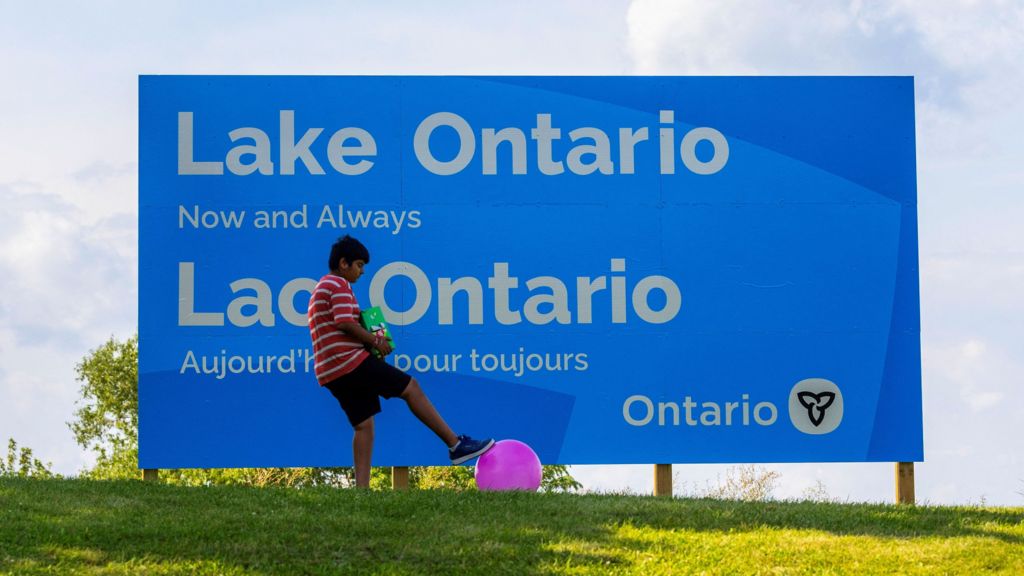
Canadian officials have moved quickly to push back against the name change, installing new permanent signage at public access points around the lake that explicitly reaffirm the waterbody’s official name will remain Lake Ontario in perpetuity. The Canadian government has also announced retaliatory trade measures in response to the new U.S. tariffs, confirming it will roll out “dollar for dollar” counter-tariffs on equivalent value of U.S. goods exported to Canada.
Carney has publicly criticized the Trump administration’s confrontational approach to trade talks, noting that any resumption of productive negotiations is contingent on the U.S. government abandoning its hardline stance and returning to the table in good faith. “We are ready to negotiate a fair deal that benefits both our peoples, but that can only happen when Washington starts being serious about compromise,” Carney stated.