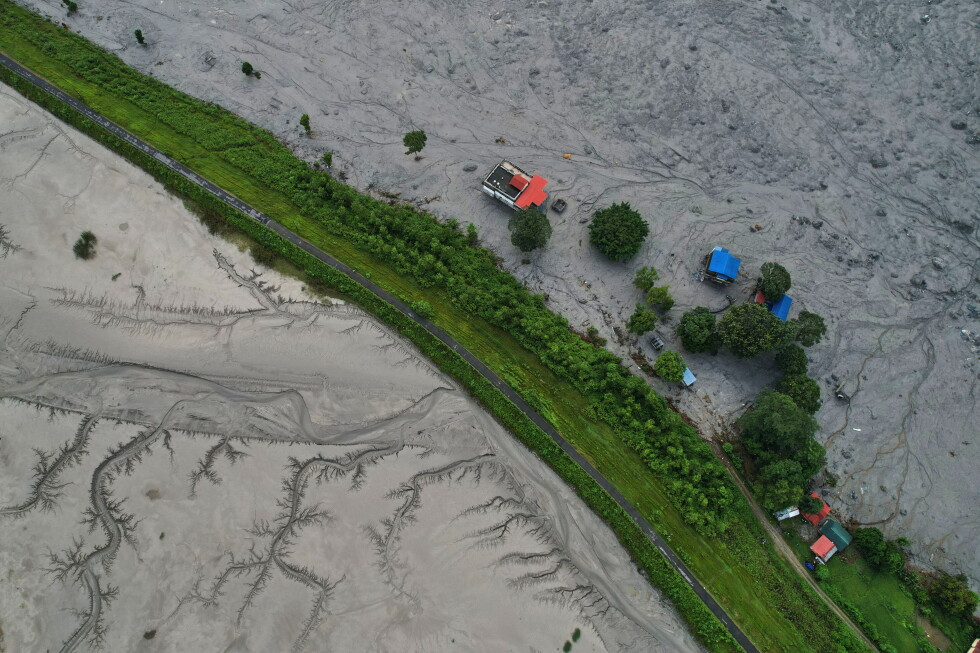
A catastrophic glacial collapse in the high Himalayas has triggered devastating flash floods that have claimed at least 900 lives and left more than 4,700 people unaccounted for across southern Nepal and the Tibet Autonomous Region of China, with international rescue teams joining local emergency responders in scaled-up search operations.
Brigadier General Raja Ram Basnet, spokesperson for the Nepali Army, confirmed that search and rescue operations are ongoing across flood-stricken hill communities, riverside settlements and isolated lowland areas, where many residents and travelers remain stranded by fast-moving floodwaters.
Among the most urgent rescue missions are operations to reach dozens of construction and maintenance workers trapped in incomplete and active hydropower plant tunnels beneath flood-damaged mountain slopes. Multiple foreign specialized rescue teams have deployed alongside local emergency crews to access the blocked, waterlogged tunnels, with officials confirming that at least 90 people remain trapped across multiple hydropower sites.
Updated data released Monday by Nepal’s national disaster management agency puts the country’s confirmed death toll at 903, with 4,247 people still listed as missing. That missing count includes 592 foreign nationals who were in the region for trekking, work or tourism when the floods hit. On the Chinese side, official data reported Sunday recorded 1 confirmed deaths, with 546 people still unaccounted for. Chinese state media reports add that 261 of the missing in Tibet are foreign nationals, including more than 100 Nepali citizens.
The disaster unfolded Wednesday when a massive bedrock collapse occurred beneath a high-altitude Himalayan glacier, dragging a large section of the frozen ice sheet down the mountain with it. Analysis of satellite imagery by glaciologists and geoscientists confirms the scale of the collapse was so large that it registered as a magnitude 5.2 seismic event on global monitoring networks.
The sudden collapse released a massive surge of rock, debris and melted glacial water that rushed down into the river valleys below. The unprecedented torrent of water and debris overwhelmed riverbanks, swept away entire buildings, destroyed critical bridge infrastructure, and scoured entire settlements from valley floors as it moved through both Tibet and Nepal, leaving widespread destruction and loss of life in its path.