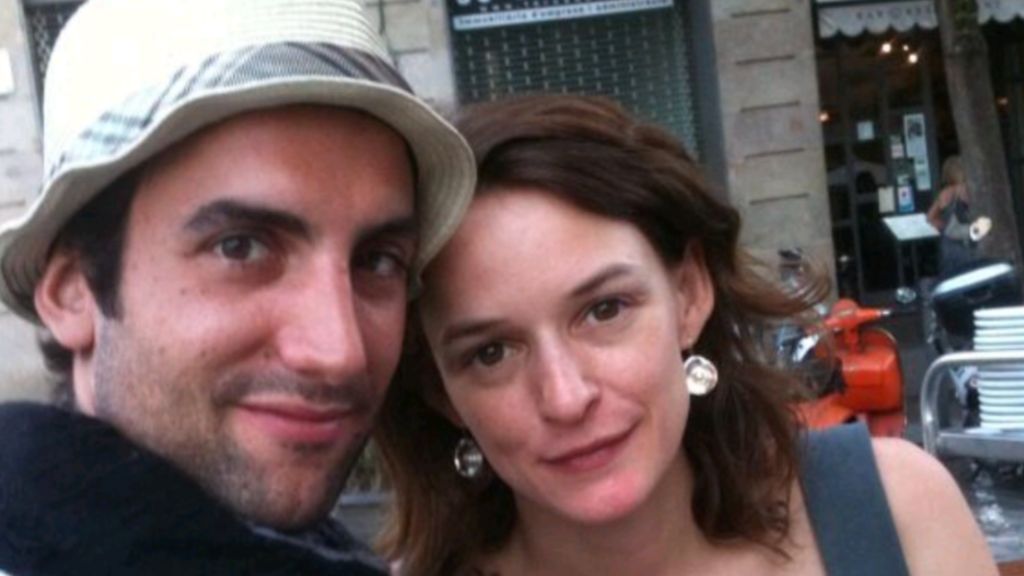
For decades, Arthur Kermalvezen, a man conceived via sperm donation, lived with a persistent, unsettling mystery: any man he encountered – from his grade school teacher to strangers on the city bus – could have been his biological father. This uncertainty bred deep anger and unrest, leaving him unable to feel grounded in his own identity. What he never expected was that this lifelong question would become even more urgent when he fell in love with Audrey, another Paris-born donor-conceived woman, whom he met at a 2010 gathering for donor-conceived rights activists.
The pair experienced immediate, undeniable chemistry, describing their first meeting as love at first sight. But their new romance came with a alarming possibility: in the era when they were conceived, Paris had only two operating sperm banks, and most donors contributed sperm multiple times to help more couples conceive. This meant the chance of them sharing the same biological father – and being half-siblings – was far from hypothetical. Before they could build a life together, they needed an answer. Yet France’s strict laws around donor anonymity and genetic testing made that answer almost impossible to obtain legally.
Since 1994, France has barred private citizens from accessing or using at-home DNA testing kits, making personal genetic testing a criminal offense. Only licensed doctors, research scientists, and judges are legally permitted to order and oversee genetic analysis. Anyone caught with a personal testing kit can face fines of more than €3,500, and major direct-to-consumer DNA companies including 23andMe, Ancestry, and MyHeritage do not sell their products in the country. Lawmakers and supporters of the ban argue it protects sensitive genetic data from exploitation by commercial entities and prevents unexpected DNA results from tearing families apart. Critics, however, point out that France is the only European nation that criminalizes personal use of these tests.
Audrey, a bioethics lawyer by training, understood the intricacies of French law better than most: the country enshrined donor anonymity in legislation, guaranteeing that identity would remain hidden even after a donor’s death. But Audrey’s conception in 1979 predated this law, leaving her with a legal gray area that offered no clear path to information. While searching online for other donor-conceived people born before the 1994 law went into effect, Audrey found Arthur, who had published a book chronicling his lifelong search for answers about his biological origins. She was immediately struck by how perfectly he captured the confusing, unspoken feelings she had carried her whole life – even though both had grown up in loving, supportive families, the mystery of their biological origins left a permanent hole in their identities.
After their first in-person meeting, the connection was immediate – but so was the problem. No French regulatory or legal body would help them confirm whether they were related. After months of dead ends, they located a doctor in southern France who agreed to conduct a genetic test for €900 in cash, breaking the law to share the result with them directly: they were not related. Still, the couple was left uneasy. They worried the unregulated test was inaccurate, and Audrey, committed to upholding the law, refused to use a black market at-home kit to confirm the result. Starting in 2010, she launched a series of legal challenges against the French system, asking only for access to non-identifying information about her donor, including how many donations he made, to confirm whether she and Arthur could be related. Every challenge was rejected. After three years of fighting, the couple took a leap of faith and married.
In 2015, France’s highest administrative court rejected Audrey’s final appeal. It was only shortly before the birth of their first child that another doctor agreed to bend the rules: he checked their donors’ birth years in the confidential sperm bank records, and confirmed their donors were two different men. The result was life-changing, but it came only from an illegal act. “It’s completely weird,” Audrey said of the ruling that allows doctors to know more about her own origins than she does. Even after this confirmation, Arthur still carried doubts, so years later, the couple finally agreed to take an at-home DNA test, ordered through a friend in a neighboring country where the kits are legal. The test confirmed what the doctor had told them: they were not related.
That illegal test unlocked far more than just reassurance for the couple. In 2017, Arthur finally connected with his biological sperm donor on Christmas Day, ending decades of uncertainty. For Audrey, the surprise was even greater: one of her DNA matches was Sophie, a fellow donor-conceived activist whom she had represented in court years earlier. The two women, who had fought side-by-side for legal rights, were biological sisters. When the couple took the test alongside eight other fellow activists, the results revealed just how high the risk of accidental genetic relations really is: four of the ten participants shared the same donor, including Audrey, Sophie, and their two brothers.
Years later, a DNA match with an American relative led Audrey to her own donor, a man named Philippe, but he had already passed away. Audrey’s mother wrote a letter to Philippe’s family, thanking them for the “immeasurable gift” he had given, and the family welcomed Audrey into their lives. Philippe’s own sister had never known he was a sperm donor, and the meeting gave Audrey answers she had chased for decades: she got access to her full biological medical history, saw photos and videos of her donor, and finally got to know the story of her origins.
The couple’s years of activism – Audrey’s legal challenges and Arthur’s writing – helped drive a landmark change to French donor conception law: people conceived after April 2025 will now be able to access identifying information about their donors once they reach adulthood. Yet the fight is not over: France still remains one of the only European countries to ban at-home DNA testing, and thousands of donor-conceived people born before 2025 still lack legal access to information about their origins. Audrey says the core of the fight is simple: “Every person has the right to know their origins and the right to know their history.”
This story is based on an episode of *The Gift* on BBC Radio 4.