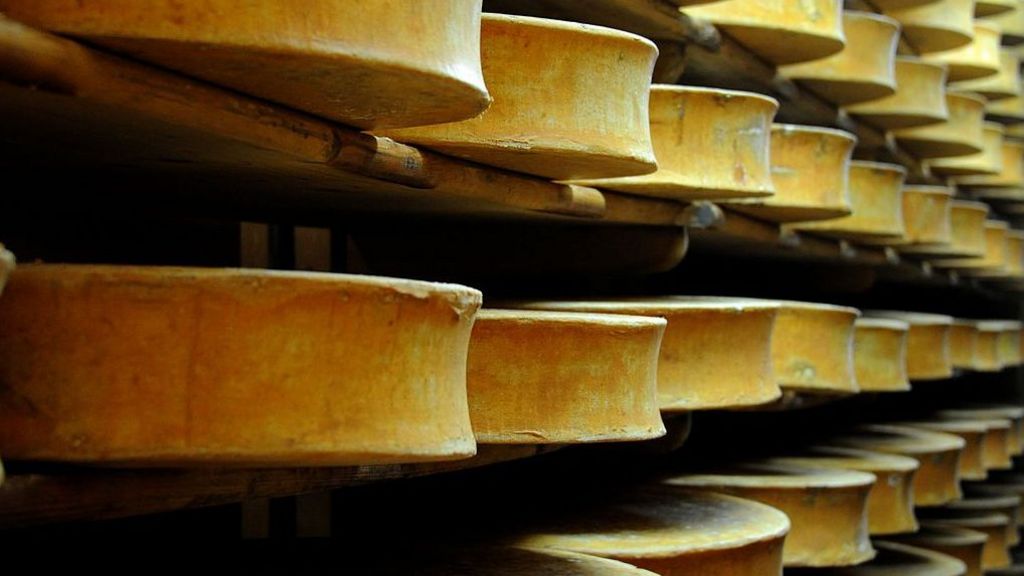
A brutal 2026 summer drought has left most of France’s mountain pastures parched and depleted, cutting off the local forage supplies that are foundational to the country’s most famous protected food products. In response, French authorities have introduced urgent temporary rule relaxations for dozens of iconic regional foods, from world-renowned mountain cheeses to Normandy cider and Alsatian sparkling wine, to help producers navigate the unprecedented forage shortage.
The official government decrees granting dispensations to producers of three of eastern France’s most celebrated mountain cheeses — Abondance, Beaufort and Comté — were published Wednesday, according to official records. Seven more cheeses, including Cantal, Bleu d’Auvergne, Fourme d’Ambert, Reblochon and Rocamadour goat cheese, are set to receive identical waivers in the coming days. The rules allow dairy farmers to feed their milk herds with grass and hay sourced from outside the strictly defined geographical production zone required for protected designation of origin (PDO) certification.
The National Institute for Origin and Quality (INAO), the French body that oversees and enforces PDO rules, has also approved similar temporary adjustments for other protected regional products beyond cheese. Those include select varieties of Normandy Calvados and apple cider, Crémant d’Alsace sparkling wine, Poitou-Charentes lamb, and Reine-Claude plums.
France’s PDO certification system, which is aligned with European Union food regulation, grants producers the right to sell their goods at a significant price premium in exchange for adhering to strict production rules that govern everything from where ingredients can be sourced to how products are processed. The system is built around the French concept of terroir, the idea that a food’s unique flavor and identity is inherently tied to its specific local geography, climate and traditional production methods.
This year’s drought has been labeled a “historic” climate event by INAO, with pasture growth across much of France dropping by more than 40% in the hottest months of the summer, leaving producers unable to meet PDO forage requirements. The temporary derogations allow producers to adjust their feeding regimes to avoid massive production cuts. For example, Abondance cheese producers in the Alps are permitted to lower the required share of pastured grass from their local zone in cattle feed from 50% to just 15%, and can import outside forage and use approved feed supplements. Comté producers in the Jura Mountains are allowed to replace the local green maize they typically feed cattle with maize sourced from other regions.
These temporary rule changes are permitted under both French and EU law during periods of extreme exceptional weather, with similar measures implemented after the major drought that hit France in 2022.
While the waivers will prevent widespread production shortfalls this year, they have sparked broader questions about the long-term viability of the terroir-focused PDO system as climate change brings more frequent extreme weather events. If rising temperatures and more persistent droughts mean many iconic protected foods can no longer be produced within their traditional geographic boundaries under the existing strict rules, the core concept of terroir will face unprecedented pressure. For consumers, the temporary changes also raise unanswered questions about whether the adjustments will lead to any detectable shifts in the flavor, quality or price of these famous French food products in the coming months.