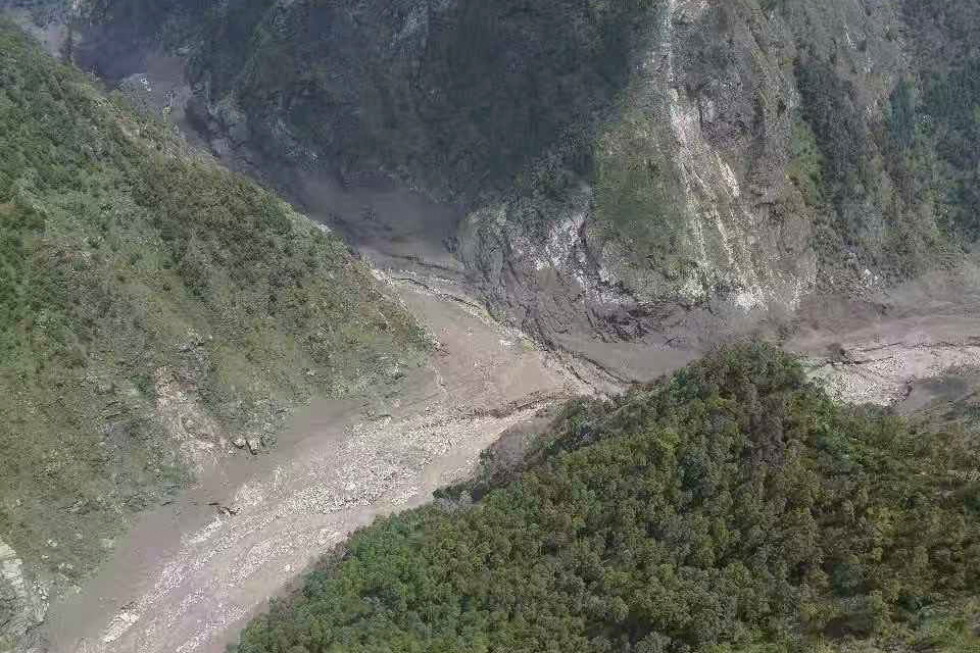
A catastrophic glacial collapse-triggered flash flood sweeping across the border region between Nepal and China’s Tibet Autonomous Region has left a devastating trail of death and disappearance, with more than 100 of the 1,300+ missing people being pilgrims bound for one of the Himalayas’ most revered sacred sites, Mount Kailash. As of the latest official updates, the disaster has claimed at least 168 lives, forced hundreds of local residents from their homes, and sparked global concern over the safety of travelers in the increasingly climate-vulnerable Himalayan region.
Standing at more than 6,400 meters above sea level in southwestern Tibet, adjacent to the glacial Lake Manasarovar and near the tri-border junction of China, Nepal and India, Mount Kailash has occupied a central sacred role across multiple major religious and spiritual traditions for more than a thousand years. Its importance stretches across Hinduism, Buddhism, Jainism, and the indigenous Tibetan Bon religion, each weaving the mountain into their unique spiritual cosmologies and sacred histories.
For Hindu believers, the jagged snow-capped peak is widely recognized as the earthly home of Shiva, the god of destruction and transformation, and his consort Parvati, the goddess of marriage, fertility and maternal care. Both the mountain and nearby Lake Manasarovar have been referenced in ancient Sanskrit religious texts and literary works dating back centuries. In Buddhist and Hindu cosmology, Mount Kailash is also identified with the mythical Mount Meru, the mythic axis mundi that forms the center of the entire world. Followers of the Tibetan Bon tradition, meanwhile, venerate the peak as a stronghold of spiritual power, linking it directly to Tonpa Shenrab, the faith’s founding figure. Even Sikhism has connections to the site: one enduring local legend tells of Guru Nanak, Sikhism’s founder, teaching villagers that the true pilgrimage to Kailash is an inward spiritual journey, not just a physical trek to the mountain.
Every year between June and early September, thousands of pilgrims from across the globe travel to the region to complete the sacred ritual of the Kailash circuit. Unlike many famous mountain peaks that draw adventure climbers, Mount Kailash is never summited by traditional pilgrims, who instead complete a 53-kilometer walking circuit around its base. This multi-day journey is believed to purify the pilgrim of accumulated sins. Different traditions follow different directions for the walk: Hindu and Buddhist pilgrims circle clockwise, while Bon followers travel counterclockwise. Along the route, Tibetan pilgrims stop at ancient monasteries and other sacred landmarks, performing rituals that range from pressing prayer beads to sacred rock formations to tests of spiritual merit. Many Hindu pilgrims also complete a ritual purification bath in the frigid waters of nearby Lake Manasarovar. Today, organized pilgrimages are run officially by the Indian government through routes in Uttarakhand and Sikkim, while private tour operators also arrange trips through Nepalese border crossings.
The recent flood disaster has painted a tragic backdrop to this centuries-old tradition. Official figures confirm that Nepal has recorded 165 deaths and 826 missing people, while Tibet has reported 3 deaths and 558 people unaccounted for, with hundreds of the missing being foreign nationals. Nepal’s tourism board reports that 179 of the missing are Indian citizens, most of whom were traveling to or returning from Mount Kailash. Other missing international travelers include 65 from the United States, 35 from Australia, 33 from the United Kingdom and 25 from Canada. Among the groups affected were 77 people returning from the mountain with pilgrimage groups organized by the Isha Foundation, led by well-known Indian spiritual leader Jaggi Vasudev (also called Sadhguru), who were caught in the flood while staying at an immigration center in Gyirong, Tibet.
The disaster was triggered when a destabilized glacier collapsed, sending a massive surge of water, ice and debris roaring downstream through river valleys on both sides of the China-Nepal border. Climate scientists warn that this type of catastrophic glacial outburst flood is becoming increasingly common in the Himalayas as rising global temperatures melt and destabilize the region’s vast glacial ice reserves, putting growing numbers of local communities and travelers at risk.
This report is the product of Associated Press religion coverage, produced through AP’s collaboration with The Conversation US, with funding from Lilly Endowment Inc. The AP retains full editorial responsibility for all content.