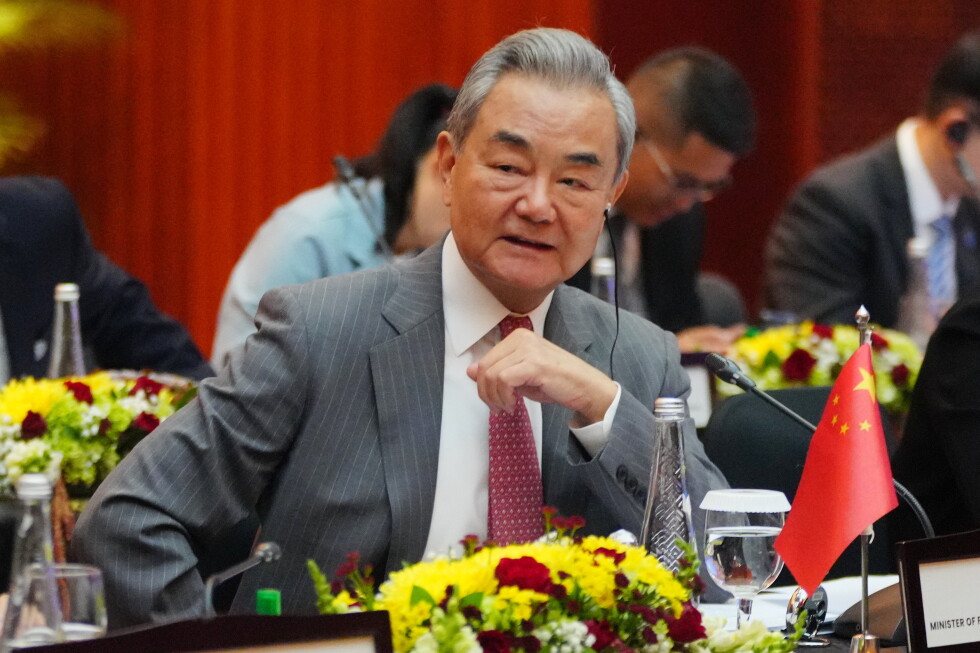
BANGKOK – As anticipation builds for a highly anticipated high-level summit between Chinese President Xi Jinping and U.S. President Donald Trump slated for next month, Chinese Foreign Minister Wang Yi has emphasized that the two global powers must work proactively to dismantle long-standing barriers standing in the way of productive dialogue.
China’s state-owned national broadcaster CCTV released details of Wang’s closed-door meeting with David Perdue, the U.S. Ambassador to China, which took place on Wednesday, with public comments shared Thursday. During the discussions, Wang called for both Beijing and Washington to reframe their engagement around shared priorities, steer through existing disagreements with careful diplomacy, push back against outside interference, and clear away barriers that threaten to undermine upcoming high-level exchanges between the two governments.
In his official remarks carried by CCTV, Wang openly acknowledged that bilateral relations between China and the United States continue to confront a wide range of significant risks and unresolved challenges that could derail progress ahead of the summit.
The two heads of state first met earlier this year in May in Beijing, where both leaders issued public pledges to maintain stability in bilateral ties and uphold a fragile, hard-won trade truce that had been negotiated to ease escalating economic tensions. Following that meeting, President Trump extended a formal invitation to President Xi to hold a second round of talks in the United States, originally penciled in for September 24. To date, however, Chinese officials have not formally confirmed the exact date of President Xi’s visit to the U.S.
In the weeks following the Beijing meeting, the diplomatic thaw failed to hold, as both sides continued to roll out targeted economic measures against one another. These reciprocal actions include a U.S. ban on imports of Chinese-made robotics technology, as well as retaliatory restrictions implemented by Beijing that bar certain American entities from conducting trade and other commercial activities within Chinese borders.