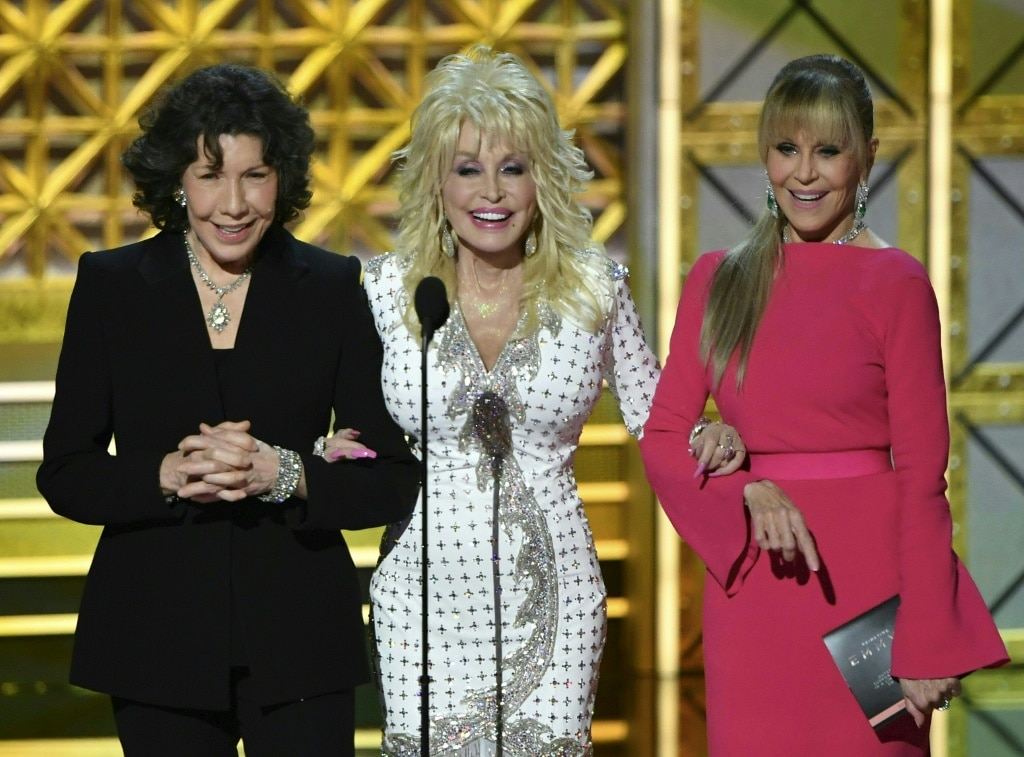
Country music has lost its most iconic, groundbreaking queen. Dolly Parton, the multi-hyphenate talent who redefined the genre, shattered gender barriers in a male-dominated industry, and won the hearts of millions across the globe over a six-decade career, passed away Tuesday at the age of 80.
Born in January 1946 in Sevierville, Tennessee, Parton grew up the fourth of 12 children in a dirt-poor shack tucked in the Great Smoky Mountains. It was in those rural hills that her extraordinary gift first emerged: by age 10, she was already penning raw, deeply emotional tracks about heartbreak and tragedy, and she made her legendary debut on the Grand Ole Opry stage at just 13. The day after she graduated high school, she packed her bags and headed straight for Nashville, the heart of country music, to chase her dream.
By 21, Parton was a household name, after joining Porter Wagoner’s nationally syndicated country television show that brought her voice and one-of-a-kind persona into millions of American living rooms. Over the course of her unmatched career, she released 49 studio albums, notched 26 number-one country hits, sold more than 100 million records worldwide, and earned more chart-topping placements than any other woman in country music history. She took the pop world by storm too, with hits like *Islands in the Stream*, and parlayed her fame into a successful Hollywood acting career, starring in blockbuster films 9 to 5 and Steel Magnolias, even penning the iconic Grammy-winning title track for the former.
Critics long lauded Parton’s distinctive soprano, describing its signature cracked vibrato and ability to shift from a ringing clarity to a soft, wounded whisper as “a dose of mountain purity.” By her own count, she wrote more than 3,000 songs, including two of the most enduring tracks in modern music: the 1973 classic *Jolene*, and the tender ballad *I Will Always Love You*, originally written as a farewell to Wagoner when the pair parted professional ways. The song became a global phenomenon when Whitney Houston recorded it for 1992’s *The Bodyguard*, turning it into one of the best-selling singles of all time. Famously, Parton turned down Elvis Presley’s request to cover the track when he demanded half the song’s publishing rights—Parton retained full ownership of all her work, a savvy business move that set her apart from many artists of her era.
Parton’s larger-than-life persona was impossible to miss: her gravity-defying wigs, bold makeup, and iconic hourglass figure became defining parts of her brand, and critics and fans often initially dismissed her as a ditzy blonde playing up her looks for attention. But that misreading completely missed Parton’s deliberate, brilliant strategy to upend sexism in the music industry. Instead of pushing back against expectations by abandoning her flashy, feminine style, she leaned into it on her own terms, combining her homespun charm with shrewd business acumen to build a multi-million dollar entertainment empire. In 1986, she opened the Dollywood theme park in her home state of Tennessee, which grew into one of the most successful celebrity branding projects in American entertainment history, drawing millions of visitors annually. She went on to launch publishing houses, production companies, a radio station, a line of restaurants, a best-selling novel co-written with James Patterson, and even her own fragrance at age 75, building an enduring legacy far beyond her music.
As Rolling Stone editor David Wild once put it: “She may lead with the boobs but she has the talent to back it all up.”
Offstage, Parton was equally celebrated for her generous philanthropy and commitment to public good. In 2020, she donated $1 million to Vanderbilt University Medical Center, funding research that ultimately supported the development of the Moderna COVID-19 vaccine. Her childhood literacy program has distributed more than 100 million free books to children in need around the world. She was a vocal ally to marginalized communities, and remained a beloved cultural figure well into her later years, boasting 8.6 million Instagram followers in the final years of her life.
Over her career, Parton earned some of the nation’s highest honors for the arts, including a 2006 Kennedy Center Honor, and induction into the Rock and Roll Hall of Fame in 2022—an honor she initially turned down, saying she saw herself as strictly a country artist. Famously, she declined the Presidential Medal of Freedom from former President Donald Trump in 2021, citing concerns about travel during the COVID-19 pandemic, and once humbly said she was unsure she even deserved the accolade.
Parton was married to Carl Thomas Dean from 1966 until his death in 2023; Dean stayed out of the public spotlight for the entirety of their marriage, and Parton famously brushed off endless rumors of extramarital affairs with characteristic wit. When asked by late night host Jay Leno about rumors of dalliances with her co-stars like Sylvester Stallone, she grinned and replied: “I didn’t say I was dead, I said I was married.”
To the end, Parton remained proud of her identity, her unapologetic style, and her trailblazing career. “I love makeup, I love clothes, and I got the personality that can pull it off,” she told National Public Radio in 2001. What began as a childhood singing to chickens outside a Tennessee mountain cabin grew into a legacy that redefined country music, paved the way for generations of female artists, and cemented her status as a one-of-a-kind American treasure.