Fifteen days after taking office, Colombia’s new right-wing government has overturned a total coal export embargo imposed by former leftist President Gustavo Petro, greenlighting new coal shipments to Israel in a sharp shift toward closer economic and diplomatic ties with the Israeli government.
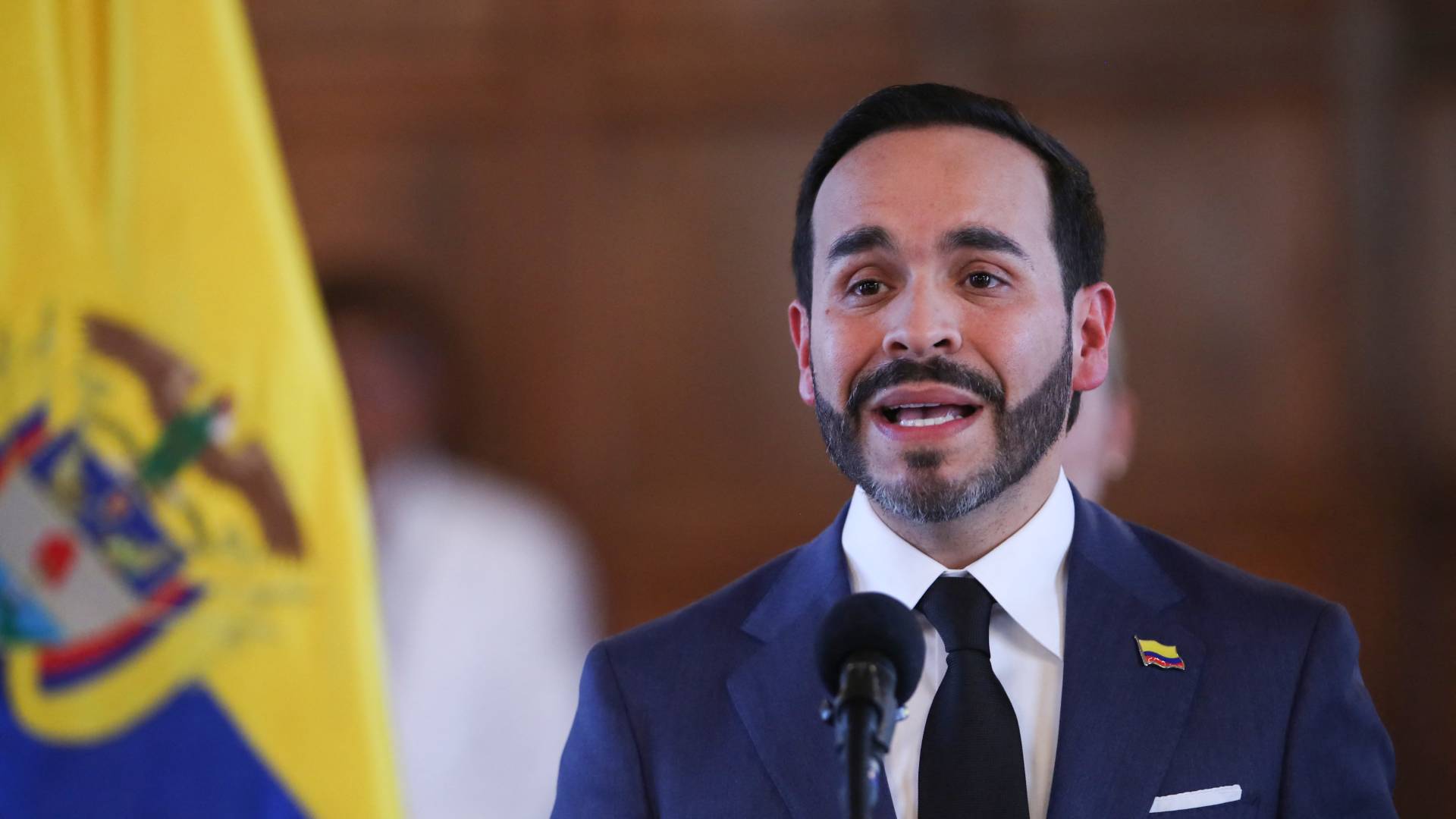
Trade Minister Mauricio Gomez Amin made the announcement publicly Friday in a recorded video appearance alongside President Abelardo de la Espriella, who displayed the signed authorization decree for cameras. “We have the decree that authorises the export of coal,” Gomez Amin confirmed during the event.
As of the announcement, the new administration has not released key details of the order, including its official decree number, publication date in Colombia’s state Official Gazette, or the regulatory requirements exporters must satisfy to resume shipments. It also remains unconfirmed when the first cargoes will depart for Israel.
The embargo that was reversed marked the final step of Petro’s escalating response to Israel’s military campaign in Gaza. In May 2024, Petro cut full diplomatic relations with Israel over the assault on the Gaza Strip. Three months later, his administration introduced restrictions on thermal coal exports to the country, before eliminating all exemptions for existing contracts and enforcing a complete embargo in August 2025.
Petro designed the embargo to remain in effect until Israel complied with binding provisional measures ordered by the International Court of Justice, which required Israeli forces to withdraw from Gaza and specifically the southern city of Rafah. Since the ICJ issued that order, Israeli operations have left the Palestinian city completely destroyed.
Prior to the introduction of export restrictions, Colombia held the position of Israel’s largest thermal coal supplier. S&P Global market data confirms that Colombia supplied 60 percent of all Israel’s thermal coal imports in the first half of 2024.
Gomez Amin framed the original embargo as a policy rooted solely in Petro’s ideological positioning, rather than practical statecraft. For his part, de la Espriella campaigned on a promise to transform Colombian-Israeli relations to be closer “like never before,” and emphasized the speed with which his administration has followed through on that pledge. “We’ve only been in government for 15 days,” he noted during the announcement.
The decision to lift the coal embargo is just one part of a broad pro-Israel policy overhaul launched after de la Espriella took office on August 7. In addition to restoring full diplomatic relations that Petro severed, his administration has formally recognized Israeli sovereignty over Syria’s occupied Golan Heights and unveiled plans to relocate Colombia’s embassy from Tel Aviv to Israeli-occupied East Jerusalem.
The policy reversal re-establishes a critical energy supply line for Israel, undoing Petro’s deliberate use of Colombian trade leverage to protest what he described as Israel’s genocide in Gaza, and replacing that pressure campaign with a rapid deepening of both economic and diplomatic alignment with the Israeli government.