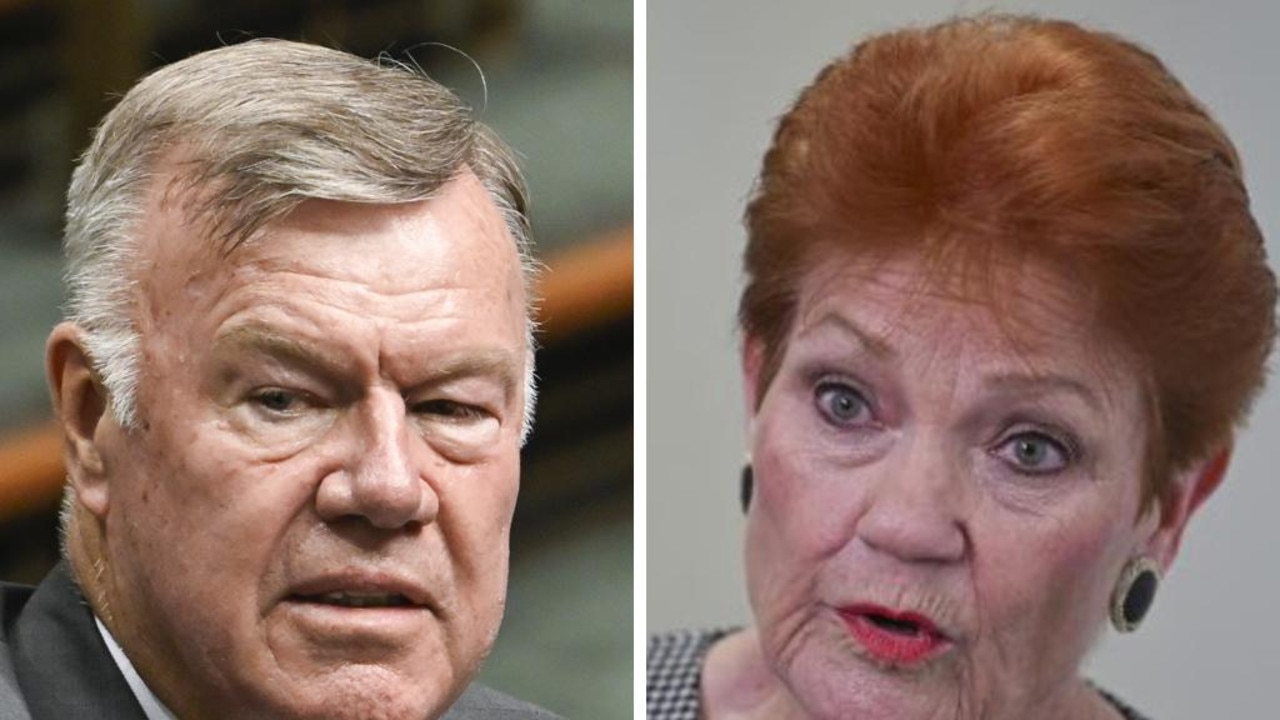
Australia’s right-wing populist party One Nation has long positioned itself as a vocal advocate for regional communities and a leading critic of Australia’s current migration levels. But its newest lower house Member of Parliament has made a startling admission: before he joined the party, One Nation had virtually limited, scarce understanding of the two core policy areas it now prioritizes – agriculture and the role of migration in regional farming sectors.
David Farley, who secured the hyper-regional seat of Farrer in May to become only One Nation’s second sitting MP in Australia’s lower house, confirmed the party’s gap in expertise in an interview with News24. Farley flipped the seat previously held by one-time opposition leader Sussan Ley, joining former Nationals defector Barnaby Joyce, the sitting MP for New England, in One Nation’s parliamentary ranks.
When asked about the party’s high-profile policy to cut Australia’s net annual overseas migration to 130,000, Farley confirmed he was specifically recruited to address the party’s knowledge gap. “I joined One Nation when they had virtually limited or scarce knowledge of agriculture and the requirement of immigration,” Farley told reporters. He also acknowledged his own past gaps in understanding migration dynamics in Australia’s major urban centers, but argued that today, One Nation has a stronger grasp of Australia’s migration landscape than any other major political party.
Farley clarified that his push to cut overall migration numbers is rooted in amplifying regional communities’ needs, and emphasized that existing temporary migration programs critical to agricultural operations would remain untouched under the party’s plan. Seasonal farm workers from Pacific Island nations participating in the Pacific Australia Labour Mobility (PALM) scheme would face no changes, he said, noting that long-standing temporary visa models have worked effectively for more than a decade for agricultural processing sectors, which rely on consistent, timely labor to bring crops to market.
On working holiday visa holders, Farley added that rather than adding new restrictive conditions to their visas, the priority should be better education to connect these young workers with existing seasonal labor hire systems in regional areas. When pressed on how the party would implement stricter caps to reach the 130,000 net migration target without disrupting critical agricultural labor supply, Farley noted that many long-term temporary migrants already build settled lives in Australia over two to three year periods, and are not new arrivals exiting the international education system, a key category targeted for cuts by many migration restriction advocates.
The interview also touched on the controversial media ban policy implemented by One Nation leader Pauline Hanson during the Farrer by-election campaign, which saw Hanson block a number of critical media outlets – including public broadcaster ABC and national outlet The Guardian – from party events. When asked if he would continue this practice, Farley said he had so far been treated fairly by most media across the political spectrum, and would only consider banning outlets if a breach of trust occurred. He added that any ban would depend on the quality of journalism from the outlet in question, joking that he had no interest in sharing meals or drinks with satirical outlet Betoota Advocate, while acknowledging that all politicians need to be prepared for so-called “gotcha” questions during interviews. The interview was cut short early when a parliamentary division was called, ending the discussion before further questions could be asked.
The admission from One Nation’s newest MP shines a light on the party’s policy development process, as it continues to build its parliamentary representation and push its anti-immigration, regional-focused agenda ahead of the next federal election.