One of Australia’s most sensational true crime cases, the so-called “mushroom murders,” has returned to the courts this week, as state prosecutors have formally called for convicted triple killer Erin Patterson to spend the rest of her life behind bars with no chance of parole, rejecting the original 33-year non-parole period set by her trial judge.
The 51-year-old was found guilty by a jury in July 2024 of poisoning three members of her husband’s family with lethal death cap mushrooms, which she hid inside a homemade beef Wellington served at a 2023 lunch gathering at her home in the rural Victorian farming village of Leongatha. The victims were her husband Simon’s parents, Don and Gail Patterson, and his 66-year-old aunt, Heather Wilkinson. Patterson was also convicted of attempted murder for the attack on Heather’s husband Ian, a small-town local pastor who spent weeks in intensive care after the meal before making a full recovery.
After the conviction, the trial judge handed down a life sentence but ruled Patterson would become eligible for parole after 33 years behind bars, when she would be 83 years old. The original sentencing took into account claims that the high notoriety of the case would likely force prison authorities to hold Patterson in isolated conditions for most of her incarceration.
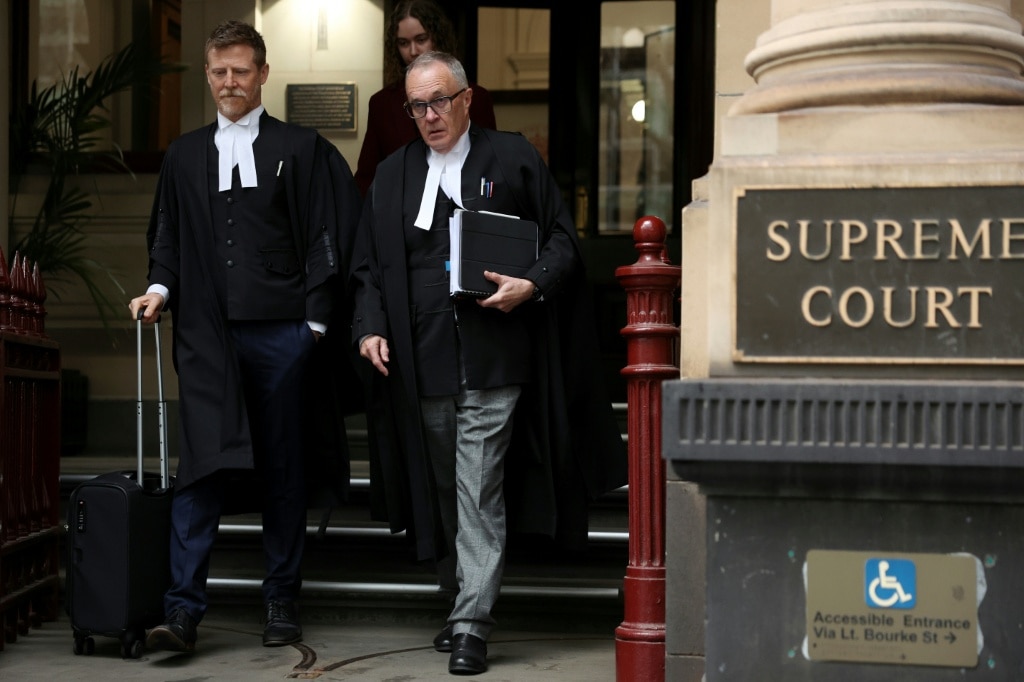
But in closing arguments for a two-day appeal hearing at Melbourne’s Court of Appeal Thursday, Director of Public Prosecutions Brendan Kissane pushed back hard against the original non-parole ruling, arguing it does not match the gravity of Patterson’s crimes. Kissane told the panel of appeal judges that the 33-year non-parole period is “manifestly inadequate” given the nature of the offences, which he described as premised on shocking betrayal and qualifying as the worst category of criminal offending.
“Indeed, our submission is that for this offending the respondent should be sentenced to life without parole,” Kissane said. “We of course know it’s a harsh submission to make, but we submit it is demanded by the nature of the offending in this case.” Prosecutors also rejected the core justification for the original parole ruling, telling judges there is no concrete evidence to confirm Patterson will be held in long-term isolation for “many years to come.”
The appeal hearing comes as Patterson’s own legal team is seeking to have her entire triple murder conviction thrown out entirely. Appearing via live video link from Melbourne’s maximum-security Dame Phyllis Frost Centre on Wednesday, Patterson’s lawyers argued their client suffered a “substantial” miscarriage of justice during her original trial, citing a long list of alleged procedural irregularities and improper use of evidence to secure the guilty verdict. A court sketch from the hearing showed Patterson watching proceedings remotely, and Australian national broadcaster ABC reported she could be seen shaking her head and closing her eyes as Kissane delivered the prosecution’s arguments Thursday.
The “mushroom murders” case sparked an unprecedented global media frenzy when it went to trial last year, drawing true crime podcasters, documentary film crews, and curious curious from across the country to the small rural courthouse in Morwell, Victoria — a quiet town best known for its annual award-winning rose festival. Audiences across the world, from New York to New Delhi, followed every twist of the proceedings, and the case still retains huge public interest for one key unconfirmed detail: the prosecution has never outlined a clear confirmed motive for the killings.
After two days of legal argument from both sides, the Court of Appeal judges announced they will reserve their decision on both the appeal against conviction and the prosecution’s push for a full life sentence, releasing their ruling at a later, unspecified date.