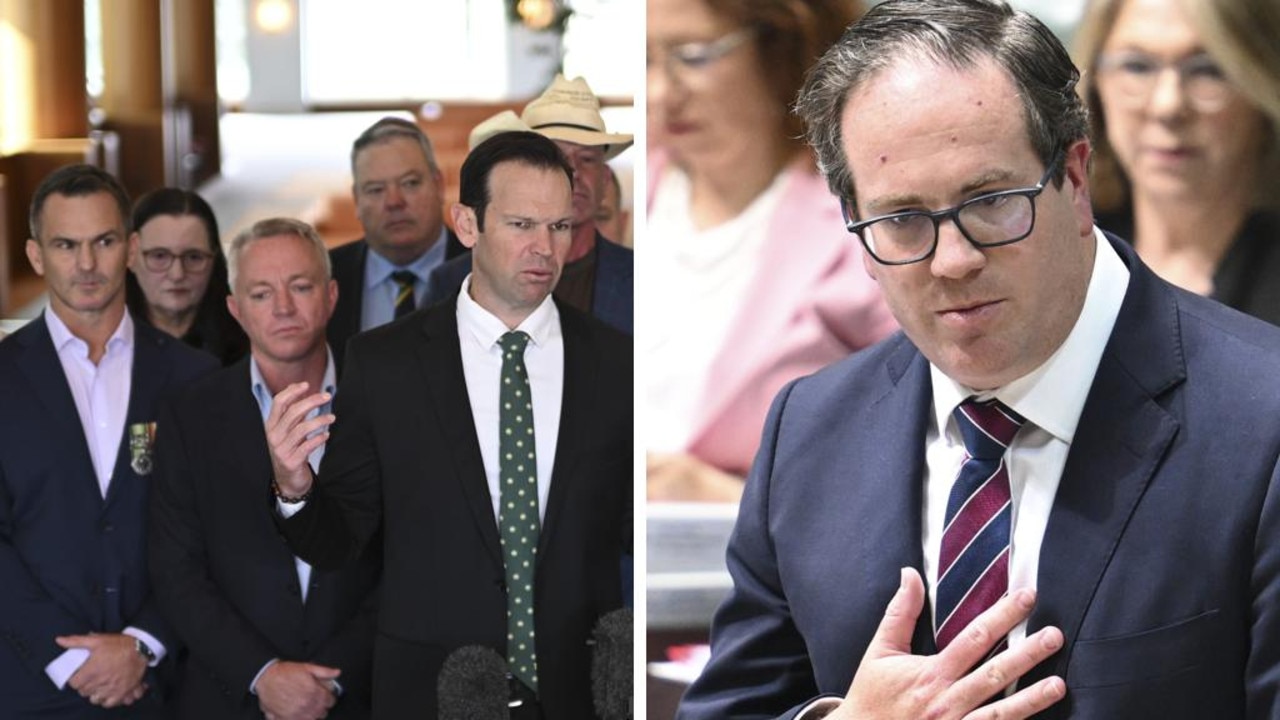
A political firestorm has erupted in Australian politics after Veterans Affairs Minister Matt Keogh publicly acknowledged he made a critical error when he initially turned down a meeting with a group of veteran advocates pushing for the scrapping of a controversial new annual $5,000 cap on allied health services for former service members. The Coalition of Veterans’ Voices, which travelled to Canberra to press their case, had requested a meeting with both Keogh and Prime Minister Anthony Albanese, and last week, Keogh’s office informed the group the minister had no availability to meet with them on the scheduled Monday. Following public backlash, Keogh reversed his decision and held a closed-door discussion with the delegation later the same day. On Tuesday, the minister took responsibility for the misstep in a public statement. “I got it wrong in not agreeing to meet with them last week when that initial request came in,” Keogh told reporters. “I own that, and I met with them and I heard their concerns last night.” Keogh also pushed back against accusations from the group that he had displayed disrespect during parliamentary question time the previous day, where he avoided acknowledging their presence in the public gallery and did not greet them with handshakes ahead of the meeting. Looking directly toward the veterans’ seating area in the gallery, Keogh thanked the group for their willingness to sit down with him. “When he came into that room and I met with them and I was sitting down, I said ‘relax and I want to hear what you have to tell,” Keogh said, denying claims he acted with dismissiveness. “I shook hands with those people who attended that meeting as we finished that.” Keogh added that he valued the input the delegates shared, drawing on their unique lived experiences as both veterans and people navigating the veteran health system. “I am grateful for the information that they imparted to me, given the diverse range of experience that they had, both medically and as veterans,” he said. “I, of course, take all of that feedback on-board as we will take on the feedback as part of our consultation process.” The minister emphasized that the Albanese government’s core goal remains eliminating gaps in veteran care coverage. “I said to them (the group) last night, and I’ve said with every veteran group that I’ve met with after this announcement, it has always been the government’s intention to make sure there is no gap in services,” he explained. Keogh also pushed back against widespread criticism of the cap, which is set to take effect in July 2027, noting that only a small share of veterans would hit the annual spending limit, and that a government discussion paper outlining the policy would be released shortly. The government has framed the cap as a measure to reduce unnecessary spending on non-essential services. The policy itself has drawn fierce condemnation from the opposition, with senior conservative politicians joining the delegation in Canberra this week to amplify their demands. Nationals leader Matt Canavan ripped into Keogh’s initial refusal to meet, describing his conduct as a display of unearned arrogance rather than the respect veterans are owed. Canavan called on Prime Minister Albanese to step in and meet with the delegation directly. “Respect should be shown to our nation’s veterans,” Canavan said, speaking alongside members of the group. “Given the inadequacy of what you’ve heard from our veterans and their lack of trust and competency in the Veterans Affairs Minister, I think the least the Prime Minister could do is meet with them.” Nationals Senator Susan McDonald described the cap as a cruel policy that was never recommended by the Royal Commission into Defence and Veterans’ Suicide, and said the prime minister should apologize for advancing the measure. “This is a tidal wave of outrage because these people did not vote for a government to be cruel to the people we rely on,” McDonald said. Former Deputy Prime Minister Michael McCormack joined the criticism, labeling the cap insidious, unnecessary, and harmful, and echoed calls for Albanese to scrap the policy and meet with the delegates on the spot. “He could do that today on Long Tan Day, on Vietnam Veterans Day, and it would be wholly appropriate,” McCormack said. “So, it’s up to the Prime Minister to do the right thing, not just for these veterans, not just to all veterans, but to our nation, because our nation deserves it. These veterans deserve nothing less.” The delegation has confirmed that they have not yet submitted a formal written request for a meeting with Albanese, but Canavan said that the demand is now public, and the group is ready to arrange a meeting at the prime minister’s convenience. “Well, he’s going to hear it now,” Canavan said when asked if the prime minister was aware of the request. “So, he can respond. He can get on to me, anyone else, and we’ll arrange it.” Keogh defended the government’s broader record on veteran health care, noting that the administration has nearly trialled a $170 million investment to raise reimbursement rates for allied health providers, the largest such increase in two decades. He argued that this change will actually expand access to care by addressing longstanding complaints from providers that low fee rates were leading many to stop accepting veteran patients altogether. “We have been hearing for a very long time that providers have been cutting back on providing these services or threatening to cut back on these services because of the fees paid to them, and so we have committed nearly $170m to make the biggest increase in fees being paid to allied health service providers in 20 years,” Keogh said. Delegation members have pushed back on Keogh’s account, describing his initial response as dismissive and brusque, with one member noting that the eventual handshake after their meeting was only extended as a matter of basic courtesy.