Australia’s household economic sentiment has posted a minor uptick following the Reserve Bank of Australia’s (RBA) decision to hold official interest rates steady, yet broad-based pessimism about personal financial circumstances and the nation’s long-term economic trajectory remains deeply entrenched among Australian consumers.
The latest monthly Westpac-Melbourne Institute Consumer Sentiment Index, one of the country’s most closely watched measures of household economic mood, recorded a 6% gain in August to reach 88.9. While this rise marks the first improvement in sentiment in months, the reading still sits well below the 100 threshold that divides prevailing pessimism from optimism, confirming that negative outlooks continue to dominate public opinion.
Westpac’s chief economist Luci Ellis noted that cost-of-living pressures continue to squeeze household budgets across the country, even after the small improvement in mood. “This is still a weak result and noticeably lower than the readings recorded last year,” Ellis explained. “While consumers are feeling less pessimistic than last month, pessimists still outnumber optimists, especially about their current finances.”
Survey data shows the shift in sentiment happened almost immediately after the RBA’s monetary policy board announced it would keep the official cash rate unchanged at 4.35% on August 6. Responses collected before the announcement showed no change from July’s weak reading, with the entire monthly gain coming from surveys completed after the decision was made public.
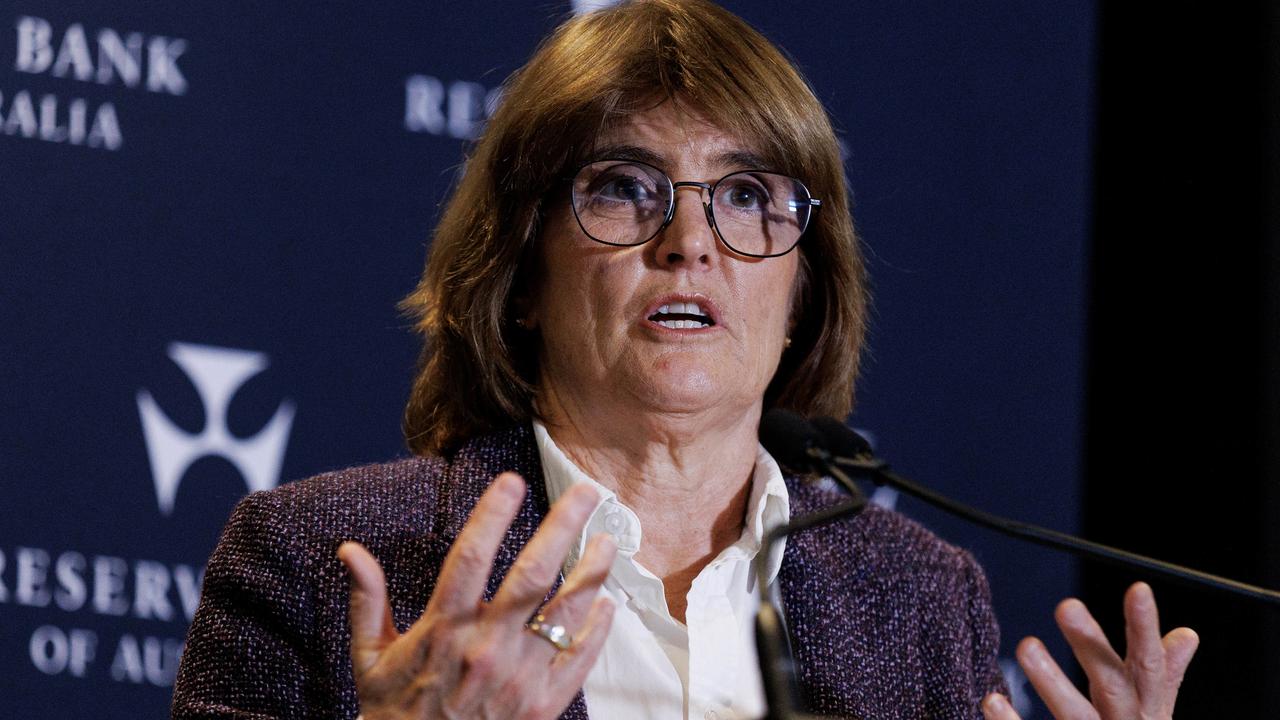
The RBA’s announcement came with a hawkish undertone, however: Governor Michele Bullock confirmed that board members had discussed a potential rate hike during the meeting – a step the board did not take during its May 2024 gathering. Bullock also warned that additional rate increases remain on the table as the central bank works to prevent currently elevated inflation, which sits at 3.8%, from becoming permanently embedded in the Australian economy.
Markets and economists broadly expect the RBA will hold rates steady again when the board next convenes for its September 28-29 policy meeting. A softer-than-expected labour market and only one new monthly inflation reading due before the gathering have reinforced expectations that policymakers will leave policy unchanged for another month. Ellis noted that the RBA already has lifted rates three times in 2024 to bring the cash rate to a restrictive level, giving policymakers room to pause and assess how previous tightening has impacted economic activity across the country.
“Having already raised the cash rate three times this year to a restrictive level, the monetary policy board has scope to keep the cash rate on hold while it monitors the effect of policy tightening across the economy and confirms whether underlying inflation has peaked,” Ellis said.
Most of the confidence gains were concentrated in assessments of current economic conditions, with attitudes toward long-term economic prospects remaining firmly negative. The report also revealed uneven sentiment shifts across demographic groups: sentiment among renters rose in the days after the RBA meeting, but weak readings from before the announcement left overall renter sentiment slightly lower for the month as a whole.
Two key sub-indexes posted notable improvements in August: the gauge of attitudes toward major household purchases rose 8.1% from 86.8 in July to 93.8 this month, while the index measuring year-over-year changes in household financial pressure improved 12.6% to 80.0. Even with these gains, however, both measures remain in pessimistic territory, underscoring that Australian households are still feeling significant economic strain.