A devastating wave of wildfires continued to rage across multiple European nations this week, leaving a trail of fatalities, mass evacuations, and widespread destruction, while triggering public fury over official response efforts in France’s hardest-hit regions. The crisis comes on the heels of the European Union’s Copernicus Climate Change Service confirming that Western Europe just endured its hottest combined June-July period ever recorded, amplifying concerns about climate change’s growing role in intensifying extreme weather events.
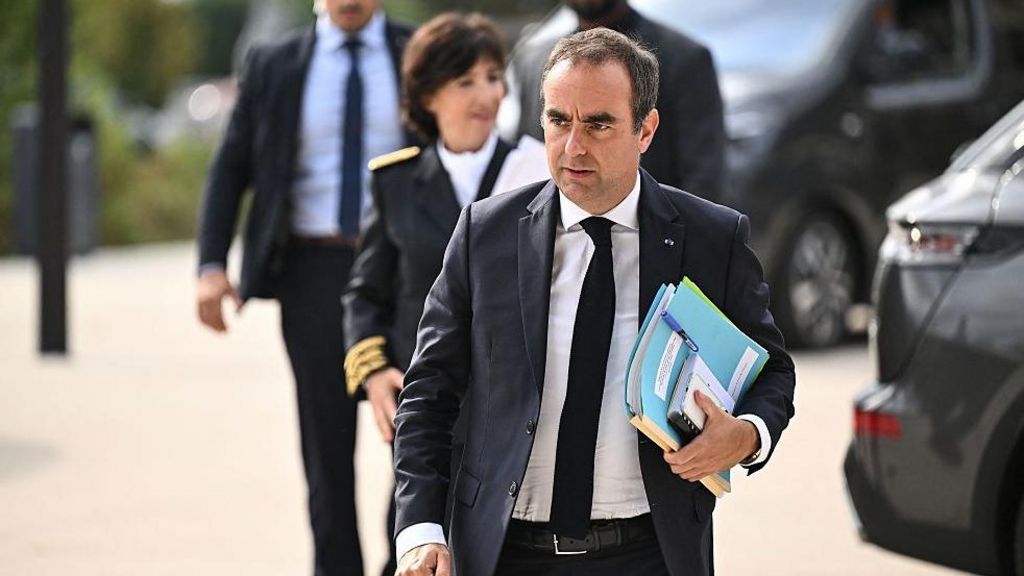
In southwestern France, where hundreds of homes have been reduced to ash by weeks of unrelenting blazes, French Prime Minister Sébastien Lecornu faced public heckling and boos from angry local residents during a scheduled visit to Le Porge, a Gironde community where 183 residential properties were destroyed by fire. Around 200 affected locals gathered outside the town hall to protest what they say is a lack of transparency and inadequate response from national authorities. Ludivine Daurignac, organizer of the local resident advocacy group, said that locals have been blocked from meeting with the prime minister to voice their concerns, with riot police lines barring access to the venue. She added that residents intend to file formal legal complaints to demand full transparency, accountability, and justice for the losses they have suffered.
Many locals have also raised sharp questions about the strategic deployment of firefighting resources during the peak of the crisis. Last month, tens of thousands of tourists and residents were evacuated from the popular Cap Ferret peninsula as fires spread across Gironde. One local resident told French broadcaster BFM that many full-time professional firefighters were pulled from communities like Le Porge to defend the Cap Ferret area, leaving only volunteer crews to battle blazes in residential zones.
Following the confrontation, Lecornu traveled to a separate scheduled meeting in Merignac, where he announced a new €12 million emergency aid package to support recovery efforts in the fire-ravaged Gironde and Landes regions. Under the plan, €10 million will go to Gironde and €2 million will be allocated to Landes, with the funding intended to let local governments immediately launch recovery projects and implement a formal long-term reconstruction plan. The prime minister also pledged that building permits for the full reconstruction of fire-destroyed homes will be approved within one month, and potentially even faster for eligible applicants. A spokesperson for Lecornu pushed back against resident criticism, stating that the government has “nothing to hide” regarding its management of fire suppression operations.
France is far from the only nation grappling with unprecedented wildfire activity this season. In Belgium, firefighters have spent four consecutive days battling a massive blaze in the Hautes Fagnes, the country’s largest nature reserve, which officials have described as the largest wildfire in Belgium’s modern history. The blaze more than doubled in size over 24 hours over the weekend, but Belgian authorities reported Monday that more favorable wind patterns and overnight rainfall have slowed its spread. To support local ground crews, the European Union has coordinated cross-border assistance, with police helicopters and air support resources deployed from the Netherlands, Germany, Norway, and Sweden.
Greece has also faced a surge in new blazes, with the country’s fire service confirming 41 new forest fires broke out across the nation in the 24-hour period ending Monday. On the island of Salamina, located just off the coast of Athens, two major fires broke out almost simultaneously Sunday afternoon, killing two people and forcing hundreds of residents to evacuate. Approximately 200 firefighters were deployed to stop the two blazes from merging, as the island had been classified as facing extreme wildfire risk over the weekend. Greek authorities have urged all residents to remain vigilant and strictly follow official emergency instructions if new fires break out.
In northeastern Spain, a soldier fighting the Peñas de Riglos wildfire in the Aragón region died over the weekend, marking another fatality linked to this season’s blazes, which have already burned nearly 16,000 hectares of land across the region. The European Commission announced Monday that 104 French firefighters accompanied by 36 fire vehicles have been deployed to assist Spanish crews in containing the blaze, which continues to burn near the Spanish-Portuguese border.
Croatia is reeling from one of the most destructive coastal wildfires in its modern history, which tore through the Zadar region coastline overnight Friday, killing at least one person and injuring dozens. Around 1,200 residents and tourists were evacuated from affected areas as the blaze spread rapidly. On Monday, Croatian police announced they had arrested four people on suspicion of intentionally starting fires across 10 separate locations in the Zadar area. As the wildfire crisis continues to unfold across the continent, the EU has mobilized its shared emergency response resources to support affected member states, highlighting the cross-border nature of the climate-fueled disaster.