Two Southeast Asian nations are grappling with the devastating aftermath of extreme seasonal rainfall that has left multiple people dead, forced mass evacuations, and upended daily life for hundreds of thousands of residents across affected regions.
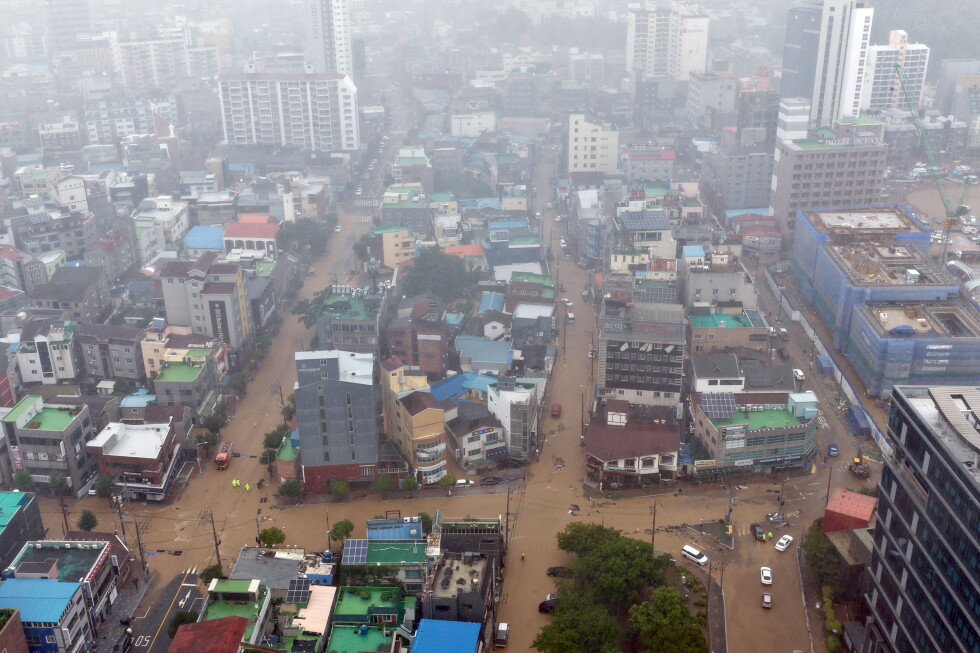
In the southern half of South Korea, relentless downpours that began on Saturday have triggered fatal weather events, official data released Monday confirmed. One fatality was recorded when a landslide crashed into a residential apartment building in the southern coastal city of Geoje, according to a statement from South Korea’s Interior and Safety Ministry. The ministry added that four people suffered injuries across the affected region: two in Geoje and two additional people in neighboring urban centers.
The extreme weather has also forced nearly 400 residents to leave their flood and landslide-prone homes for safer emergency accommodation, and cut electrical power to more than 3,500 residential properties across southern districts of the country.
Half a world away in the Philippines, seasonal monsoon rains have wreaked similar havoc, bringing widespread flooding to densely populated areas of the country’s capital region and surrounding provinces. Early Monday, floodwaters submerged major arterial roads in Metro Manila and 12 outlying provinces, bringing vehicle and pedestrian traffic to a near-standstill. In response, national and local government officials suspended all public sector work and canceled in-person classes at all education levels starting at noon Monday, directing educational institutions to shift instruction to remote online platforms where possible.
This latest wave of rain comes on the heels of three weeks of on-again, off-again monsoon downpours and a separate severe storm that hit the main northern island of Luzon two weeks prior. Official data from the Philippines’ Office of Civil Defense shows that earlier period of extreme weather killed at least 23 people, most killed in flood-related incidents or landslides, and impacted the lives of roughly 5 million people across the island. As of Monday, nearly 25,000 displaced residents remained housed in government-run emergency evacuation shelters across multiple northern provinces.
One of the deadliest single incidents from the earlier storm occurred on August 9 in Baguio, a popular mountain resort city in northern Luzon. A massive landslide buried local homes, killing 10 people including multiple children who were asleep when the mud, rock and debris cascade swept down the adjacent mountainside. Rescue teams managed to pull three survivors from the debris, though all three suffered injuries, local officials confirmed.