Tensions have surged once again along the Israel-Lebanon border after a series of Israeli airstrikes on Saturday left 11 people dead — three of them children — in what marks the deadliest escalation of hostilities between Israel and Iran-backed Hezbollah since a June truce calmed violence in the region.
The attack comes less than a month before the two sides are scheduled to convene in Rome for an eighth round of US-sponsored direct negotiations aimed at securing a long-term ceasefire and political settlement, turning a tentative period of calm into a major test of the fragile peace process.
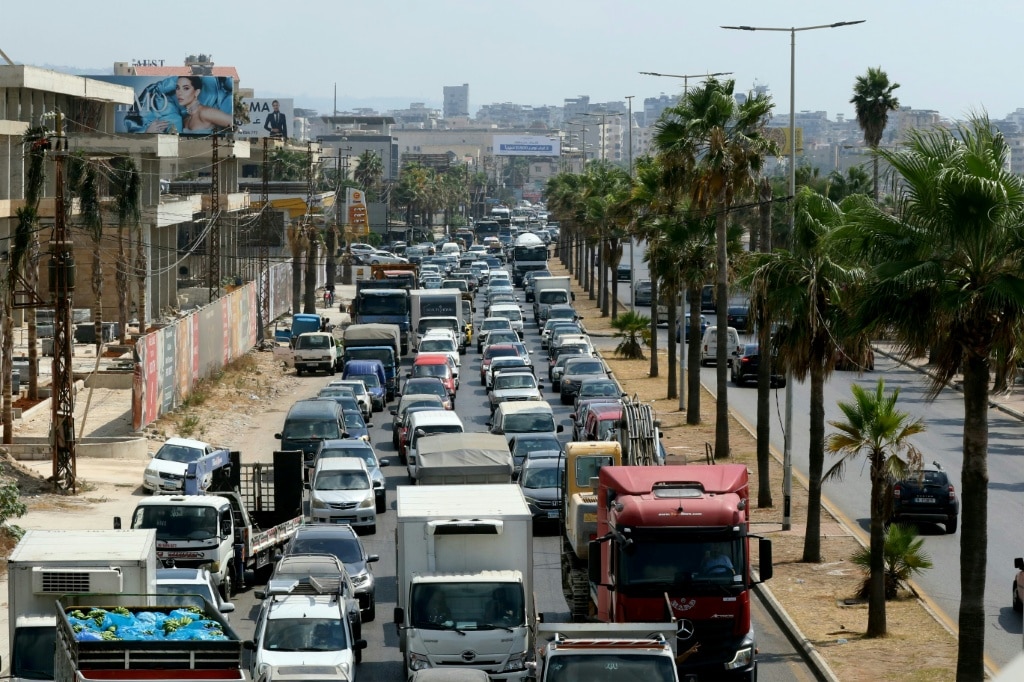
According to Lebanon’s Ministry of Health, seven people, including three children and two women from a single family, were killed in an airstrike that leveled a residential building in the southern village of Ansar. Four additional fatalities and 17 injured people, including one child and 11 women, were recorded in a separate strike on the southern town of Deir Zahrani. Local witnesses described scenes of chaos and devastation, with rescue workers digging through concrete rubble for survivors and displaced residents fleeing north to Sidon with their most essential belongings packed into cars.
The Israel Defense Forces (IDF) confirmed the strikes, stating the Ansar attack targeted Ali Samir Al-Haj Hassan, a senior commander in Hezbollah’s elite Radwan Force. The IDF acknowledged that Hassan’s family was present at the property but defended the operation, claiming Hassan had deliberately used his relatives as human shields and that civilians were not the intended target. The military added that the strikes were launched in retaliation for a prior Hezbollah attack that left three Israeli soldiers seriously wounded in the Israeli-declared 10-kilometer-deep “security zone” inside southern Lebanon, where Israeli forces have been deployed since the conflict escalated.
Lebanese political leaders across the spectrum have roundly condemned the attacks. Lebanese President Joseph Aoun framed the deadly raids as a deliberate violation of the June framework agreement reached in Washington, calling the strikes a clear challenge to ongoing US-led negotiation efforts. Prime Minister Nawaf Salam emphasized that the civilian casualties, including women and children, can never be justified as military targets, and urged Israel to immediately halt its “extremely dangerous” escalation of hostilities. Nabih Berri, Lebanon’s parliament speaker and a known Hezbollah ally, called on US negotiators and truce sponsors to take urgent responsibility to de-escalate before the situation spirals into full-scale war.
Israeli officials have pushed back against this criticism, framing the strikes as a necessary step to move negotiations forward. A spokesman for Israeli Prime Minister Benjamin Netanyahu told reporters that the raids should “jumpstart the talks and make them much more serious, not do the opposite,” adding that Israel remains committed to the terms of the June framework, which calls for the gradual withdrawal of Israeli forces from southern Lebanon, the deployment of the Lebanese army to the border region, and the full disarmament of Hezbollah. Netanyahu’s spokesman also expressed hope that the Lebanese military would step up to secure the border and help remove Hezbollah’s armed presence from the region.
Hezbollah has rejected the framework deal from its inception and has long opposed the ongoing direct negotiations. In a statement following the strikes, the militant group pledged that the attack will be met with a proportional, appropriate response, and called on Lebanese authorities to abandon what it described as the “humiliating path of direct negotiations.” Hezbollah also claimed the escalation was driven by domestic political calculations, arguing Netanyahu is seeking to ramp up conflict to bolster his re-election prospects in Israel’s upcoming national election later this year.
The current flare-up comes amid a years-long escalation that saw Hezbollah draw Lebanon into the broader regional Middle East war in March, when the group launched large-scale rocket attacks on Israel in support of its Iranian backer. Israel responded with a sustained air campaign and limited ground incursion that Lebanese authorities confirm has killed more than 4,300 people to date, the vast majority of them civilians.
A June memorandum of understanding between the US and Iran, followed by a framework ceasefire deal between Israel and Lebanon later that month, brought a sharp reduction in daily violence. But intermittent Israeli strikes and widespread demolition of civilian infrastructure in southern Lebanese villages have continued through the lull. In recent days, Israeli Defense Minister Israel Katz reaffirmed Israel’s intention to maintain a permanent military presence in the southern Lebanon security zone, a position that directly contradicts the terms of the June framework. A senior US State Department official noted last week that “a permanent military presence in south Lebanon is not consistent with the commitments made in the framework,” setting up a point of contention even before the Rome talks get underway.