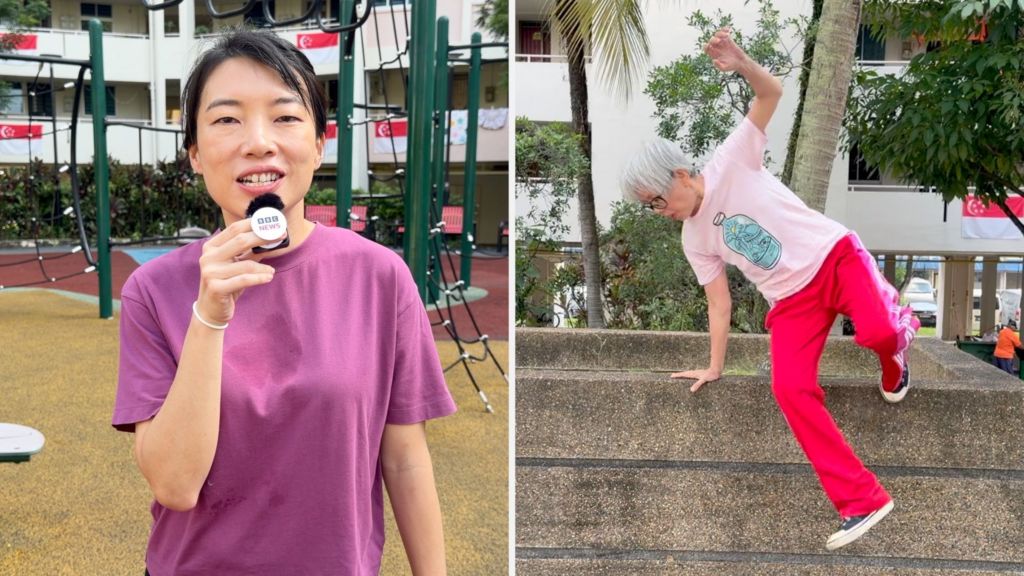
Japan, long recognized as one of the world’s most rapidly aging nations, is constantly grappling with the growing public health challenge of keeping its senior population active, independent, and free of debilitating falls and injuries. In recent years, an unconventional approach has emerged to address this crisis: older adults across the country are turning to parkour, the high-energy urban movement sport once associated with young thrill-seekers, to build strength, improve balance, and reduce their risk of injury.
Unlike popular assumptions that parkour is exclusively for young, physically fit people, the adapted senior-focused programs modify the sport’s signature moves to match individual mobility levels. Participants practice low-height vaults, controlled landing techniques, precise step coordination, and gentle obstacle navigation that trains core stability, spatial awareness, and reactive muscle strength—all key factors in preventing falls, the leading cause of injury-related hospitalization and disability among adults over 65.
What started as a small community experiment has grown in popularity as seniors report tangible improvements: many participants say they feel more confident navigating everyday obstacles like curbs, uneven sidewalks, and stairs, reducing their constant fear of falling that often leads to reduced activity and accelerated physical decline. Beyond physical benefits, the group-based classes also foster social connection, addressing the widespread issue of social isolation among older adults. As populations around the globe age, this creative approach to senior health offers a promising model for other nations grappling with similar public health goals.