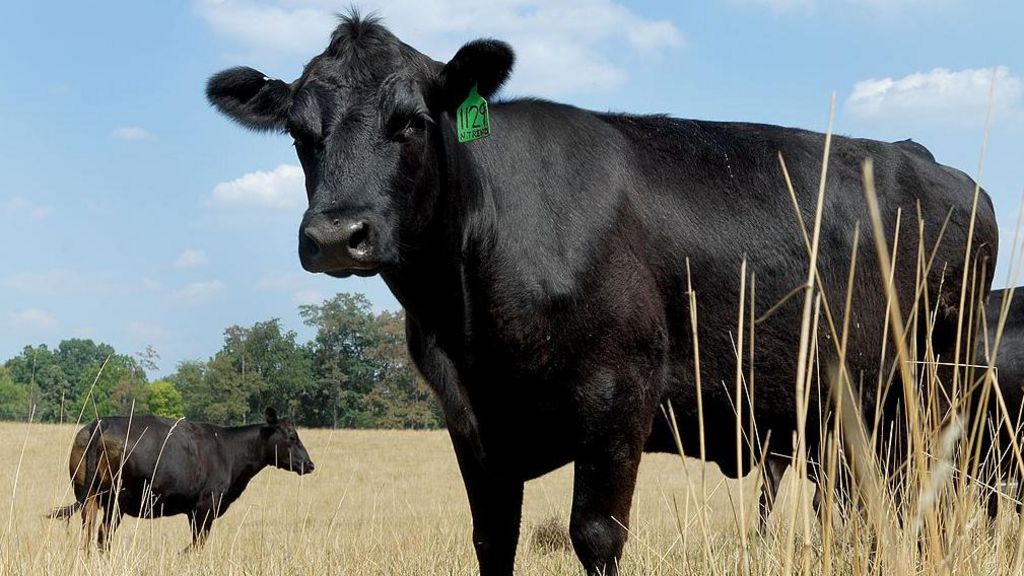
American consumers are currently facing sticker shock at the meat counter, with nationwide retail beef prices surging 12% year-over-year – more than triple the general rate of inflation. But while this dramatic price spike has pushed costs to all-time highs, a deep dive into the U.S. beef supply chain by the BBC World Service’s *Follow the Money* investigative series reveals a surprising reality: no player along the chain is walking away with extra profit.
South Dakota-based cattle rancher Eric Gropper embodies this paradox. Operating roughly 350 breeding cows across 8,000 acres of leased grassland on the Pine Ridge Indian Reservation, Gropper sells his young calves at annual livestock auctions, where he is currently seeing the highest bids in his decades of farming: a 600-pound calf now sells for around $2,500, up from $2,000 just two years ago. This pricing boom stems from a historic nationwide cattle shortage: driven by widespread drought across major cattle-producing states and persistent disease pressures, the total U.S. cattle population at the start of 2026 dropped to its lowest level since 1951, with more than 60% of all grazing land impacted by severe dry conditions.
For Gropper, that record sale price has been entirely erased by skyrocketing operating costs. Thirteen natural wells that once supplied groundwater for his herd have run dry amid the ongoing drought, forcing him to pay for regular water tanker deliveries. The post-pandemic inflation surge has pushed up the cost of every essential input: a new pickup truck that once retailed for $40,000 now costs $100,000; a single wooden fence post has jumped from $6 to $19; and a quarter-mile roll of barbed wire has more than doubled from $60 to $130. With parched pastures producing too little grass to feed his cattle, he also must purchase costly supplemental hay and silage.
“I’m able to pay my bills, but my input costs are so drastically high that if we didn’t have these record prices we’d all be broke,” Gropper explained. “When I sit down to do my taxes, it looks like I made a lot of money on paper. But when all is said and done, I really haven’t made any more than I usually do.”
After Gropper sells his six-month-old calves, they move to the next link in the supply chain: commercial feedlots, where 95% of U.S. cattle are fattened on grain for three to six months before slaughter, with the largest facilities housing more than 100,000 cattle at a time. Agricultural economics professor Brenda Boetel of the University of Wisconsin–River Falls, who closely tracks the feedlot sector, notes that the same paradox applies here: while feedlots sell finished cattle at record prices, they are also forced to purchase young calves at all-time market highs, leaving no room for expanded profits.
The next step in the chain is meat processing, a sector dominated by extreme market concentration: just four multinational firms – Tyson, JBS, Cargill, and National Beef – control roughly 85% of U.S. beef processing, a level of consolidation that has drawn widespread accusations of price-fixing, even from former President Donald Trump. Given this market power, many consumers assume the big packers are reaping massive windfalls from high retail beef prices – but current data tells a very different story.
Tyson Foods, the largest U.S. meat processor, reported a more than $500 million loss in its beef division in the first half of its 2026 fiscal year. For small independent processors like Jamie Crumley, owner of Harpley’s Meatpacking in central North Carolina, the squeeze is even more acute. Crumley says the cost of live cattle has jumped as much as 60% over the past three years, and while processors can raise wholesale prices, there is a hard ceiling on how high they can go: consumers will simply switch to cheaper protein alternatives like chicken or imported beef if prices get too steep.
Compounding the issue, the national cattle shortage has forced processing plants to operate well below full capacity. Harpley’s is built to process 425 to 450 cattle per day, but currently only handles 350 head daily due to limited supply. Fixed costs for facilities, equipment, and staff remain the same regardless of output, meaning those costs are spread across far fewer animals. Crumley says she can lose anywhere from $100 to $400 per head of cattle on any given day, a dynamic that directly explains the major meatpacking giants’ large losses.
At the final end of the supply chain are restaurants and retailers, who also face the same profit squeeze. Paul Urban, co-owner of Block 16, a popular burger restaurant in Omaha, Nebraska that serves 2,800 burgers monthly, says the menu price of a burger has risen from $8.95 when the restaurant opened in 2010 to $11.95 today – but even with that increase, sky-high ground beef costs have kept profits flat. If the pair raised prices enough to actually grow their margin, a burger would cost $13, a price point they say customers will not accept.
“We don’t make the profit that we’d like, but you’re still getting people through the door, and it’s not always about the money,” Urban said.
Across the entire supply chain, the dynamic is consistent: every player is processing more revenue than before, but none are retaining the extra margin. Industry observers agree this situation will not reverse until the U.S. cattle population grows enough to ease the current shortage. But as Gropper points out, expanding cattle supply is not a quick fix: a young heifer requires two years to reach breeding age and produce her first calf, and that calf needs another year to reach slaughter weight, meaning it will take roughly three years for additional supply to reach the market.