On Sunday, Cuba’s national power grid suffered a complete collapse, triggering a new total nationwide blackout that left the entire island — including its capital Havana — in sudden darkness, the state-run energy utility Union Eléctrica (UNE) confirmed via a social media statement.
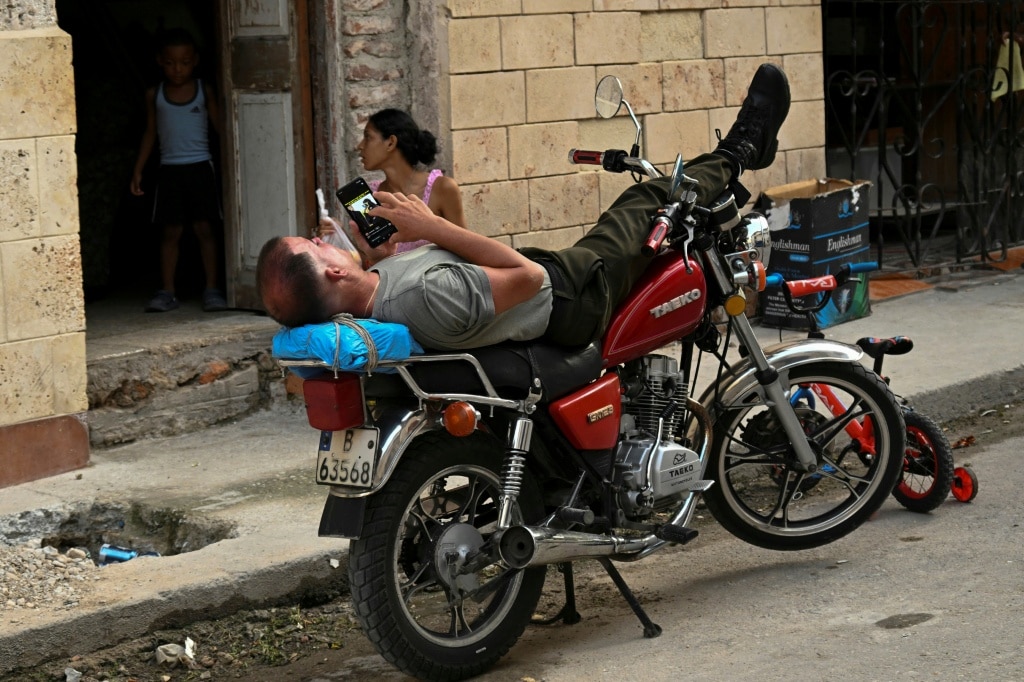
The outage came as a fresh blow to Cuban residents already grappling with weeks of persistent rolling power cuts. In Havana, crowds of residents who had gathered outdoors to escape sweltering summer heat groaned collectively when the lights cut out abruptly, highlighting the widespread frustration over the ongoing crisis.
This latest grid failure is just the most recent in a string of total system collapses. Only 24 hours before the nationwide outage, the entire western half of Cuba was already plunged into darkness for hours. For months, Cuba’s energy sector has been crippled by two core issues: severely aging power generation infrastructure that has not received adequate upgrades, and a longstanding US energy embargo that has cut off regular fuel deliveries for the country’s power stations.
The ongoing blackouts have upended daily life across the island. Every major outage disrupts water distribution systems, leaving households with limited access to running water, and stops electric ceiling fans — a critical tool for coping with Cuba’s hot, humid climate. Even a population long accustomed to navigating economic and social adversity is now struggling under the weight of the unending crisis, which shows no clear signs of resolution in the near term. In the hardest-hit regions, residents have taken to public protests of frustration, including burning piles of trash in streets and banging pots and pans to demonstrate their discontent.
Cuba’s Ministry of Energy announced immediately after Sunday’s collapse that restoration protocols were already underway to bring power back online across the country. However, long-term fuel shortages continue to hamper efforts to stabilize the grid. The only major fuel delivery authorized by US authorities in recent months was a single Russian tanker carrying 100,000 tons of crude oil that arrived in March, and those reserves have now been completely exhausted.
The energy crisis has been compounded by wider economic pressure from the United States. The Trump administration ramped up sanctions on Cuban state-owned enterprises beyond the longstanding oil embargo, prompting many international companies to suspend operations on the island. In recent weeks, tensions have risen further after the US indicted former Cuban president Raul Castro, brother of revolutionary leader Fidel Castro, over the 1990s downing of two civilian aircraft. Diplomatic talks between Havana and Washington have so far failed to produce any tangible progress on easing sanctions or resolving the energy crunch. To counter the broader economic downturn that has accompanied the energy crisis, the Cuban government has rolled out a series of incremental free-market reforms aimed at stimulating growth, though these have yet to address the root causes of the country’s energy instability.