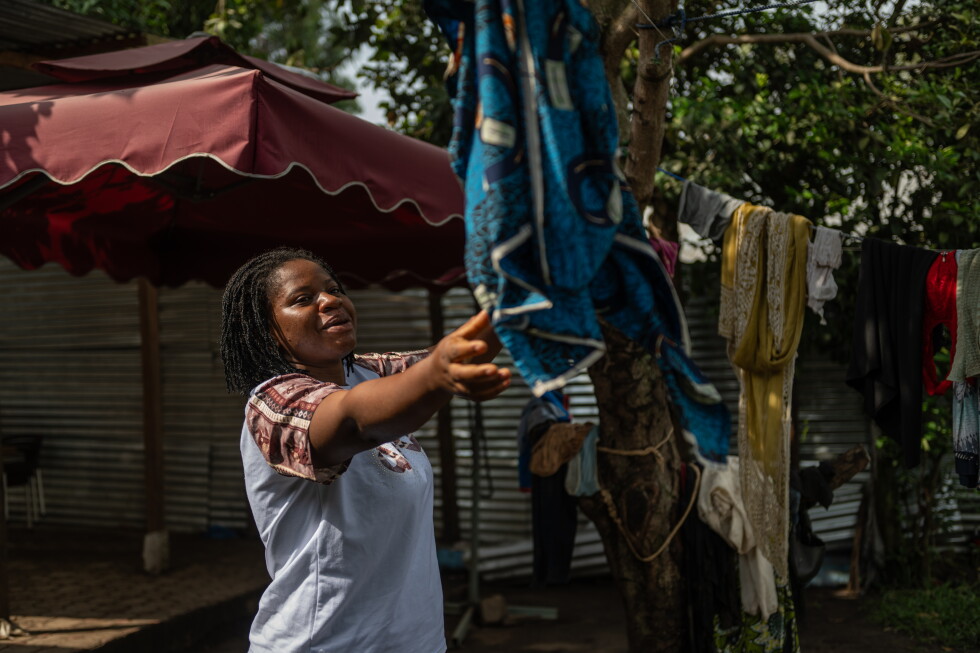
In the eastern Congolese city of Bunia, the epicenter of the Ebola outbreak declared in mid-May, 26-year-old expectant mother Esther Lutula made a fateful decision not long after public health authorities announced the crisis: she halted all her routine prenatal checkups. Like many residents across Ituri province, Lutula clung to a widespread dangerous misconception—she believed any visit to a health facility that resulted in a fever reading would lead to immediate involuntary isolation. That fear has kept her away from care, with Lutula telling the Associated Press she will only resume checkups once the virus is no longer circulating widely.
But public health experts warn this choice is far from harmless; it can be deadly. New data from the United Nations Population Fund (UNFPA) reveals that maternal mortality across Ituri has doubled in the months since the outbreak began, a devastating secondary crisis unfolding alongside the rapidly spreading Ebola epidemic. Before the outbreak was declared in May, the province recorded an average of 3.1 maternal deaths per week. From May 25 to July 19, that average surged to 5.8 deaths weekly. Most alarmingly, the share of maternal deaths that occur outside of formal health facilities has nearly doubled too, jumping from 9.1% to 17.4% over the same period.
This public health catastrophe is unfolding against a grim global backdrop: sub-Saharan Africa already bears 70% of the world’s maternal deaths, with roughly 180,000 preventable pregnancy-related deaths recorded across the continent each year. Congo, for its part, ranks among the most dangerous countries in the world to give birth. The latest United Nations data shows 19,000 Congolese women died from pregnancy complications in 2023, putting the country second only to Nigeria globally, tied with India.
As Congo battles the fastest-growing Ebola outbreak on record, which has already claimed more than 1,600 confirmed lives, aid and health workers are sounding the alarm about this largely unreported shadow crisis: widespread fear and misinformation have driven thousands of pregnant women to avoid hospital care entirely, pushing an already catastrophic maternal mortality rate even higher. Noemi Dalmonte, UNFPA’s deputy country representative in Congo, explained that while avoidance of health facilities during public health emergencies is not uncommon across the continent due to safety concerns, Ebola’s unique reputation and the flood of misinformation surrounding it have amplified this trend dramatically.
Many residents in the remote, conflict-riven region question whether Ebola even exists, while overstretched health workers struggle to mount an effective response with extremely limited supplies. For pregnant women, this has translated to a drastic reduction in access to life-saving care. Violence targeting outbreak response operations has only deepened fears: multiple Ebola treatment centers have been attacked by local residents fueled by misinformation and anger over strict public health measures, leaving many women afraid to seek care even for life-threatening pregnancy complications.
The impact of this avoidance is visible on the ground at local health facilities. At Bénédicte Clinic in Bunia, Dr. Sonny Mwembo, the clinic’s medical director, reports that the number of women registering for prenatal care has plummeted from an average of 60 per month to just around 10. Even after weeks of targeted outreach to correct misinformation, many residents still cling to false beliefs about the outbreak. Elodie Yabiri, a heavily pregnant Bunia resident, summed up the common fear: “Right now, if you feel sick and go to the hospital, they say it’s Ebola and they put you in quarantine right away. That’s what scares people.” Yabiri added that she is avoiding hospitals as much as possible, relying only on the movement of her unborn child to gauge that her pregnancy is progressing safely.
Compounding the crisis, Congo’s already overburdened, underfunded healthcare system has shifted most of its limited resources to Ebola response operations, leaving even fewer services for pregnant women who are still willing to seek care. Health facilities across the five provinces affected by the outbreak have redirected staff and medical supplies to Ebola containment efforts, cutting access to routine and emergency maternal care. The crisis has also gutted the local health workforce: at least 44 health workers have died from Ebola infection, and many more have walked off the job over unpaid salaries. Since the outbreak was declared in mid-May, at least 12 attacks on health facilities and response teams have been recorded across the region. Dr. Ghislain Maneba, an epidemiologist and community investigator working in Ituri’s Rwampara health zone, described the impossible conditions frontline workers face: “We are doing everything we can to make the public understand how dangerous this disease is. We are working day and night without being paid.”
Pregnant women face uniquely elevated risks throughout this outbreak, on multiple fronts. Ebola is a rare but highly contagious, often fatal virus that spreads through contact with bodily fluids and contaminated materials. Women make up the majority of family caregivers when a loved one falls ill, and many are also serving on the frontlines of the outbreak response—including many pregnant health workers, AP journalists reporting on the outbreak have observed. “It is very important that they know how to protect themselves, that they have the right information,” Dalmonte said.
The U.S. Centers for Disease Control and Prevention notes that pregnant women who contract Ebola face a significantly increased risk of life-threatening complications, including miscarriage. But for many women in eastern Congo, the greatest threat is not the virus itself—it is the lack of access to the care that could save their lives. Dalmonte summed up the dual crisis: “Pregnant women who delay care and avoid health facilities could die not from Ebola itself but because the care that would have saved them was no longer accessible, trusted or safe.”
This reporting is part of an AP series on maternal mortality in sub-Saharan Africa, with financial support for global health and development coverage provided by the Gates Foundation. The AP retains full editorial control over all content.