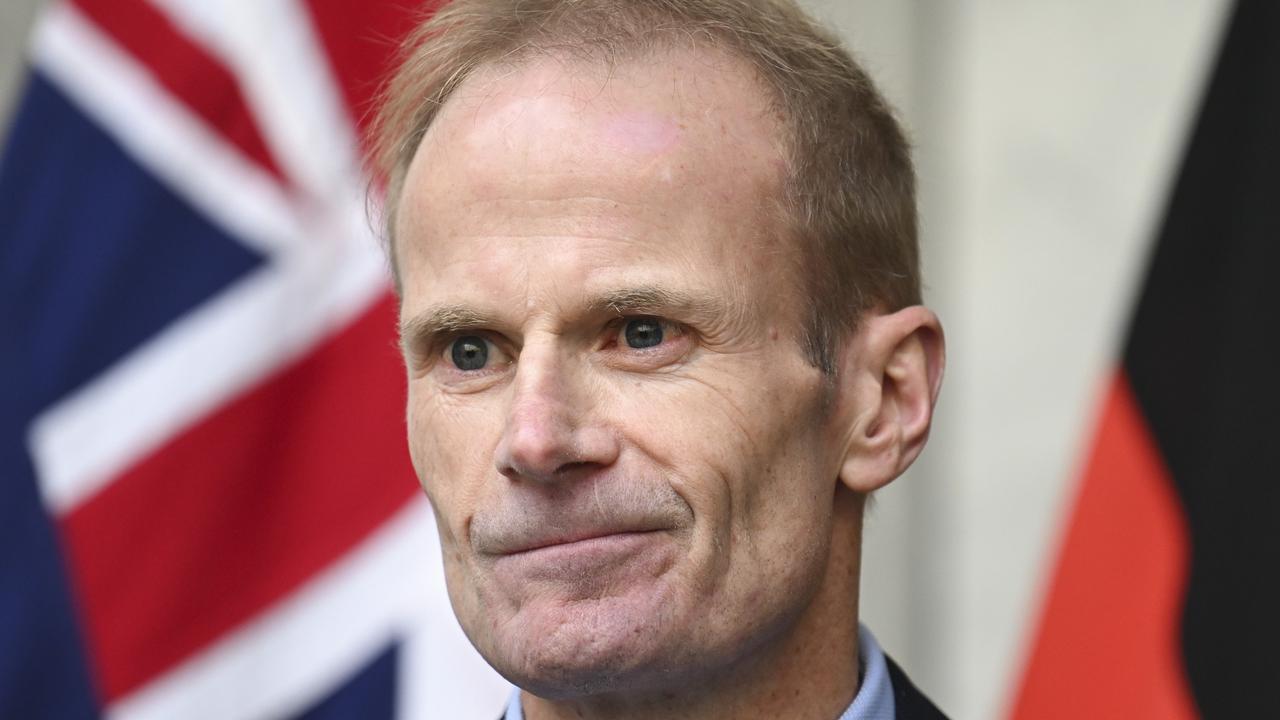
Two months after the passing of iconic Australian cancer researcher Richard Scolyer, a long-awaited breakthrough treatment for one of the most prevalent adult brain cancers has been added to Australia’s Pharmaceutical Benefits Scheme (PBS), marking the first new approved option for the condition in more than two decades.
On Saturday, Voranigo (generic name vorasidenib) became accessible through the national drug subsidy program for eligible Australian patients diagnosed with Grade 2 IDH-mutant glioma. This specific form of brain cancer is the most common diagnosis among adults under 50, with most patients receiving their diagnosis between the ages of 20 and 45. While slow-growing, the disease is currently incurable, and it gradually progresses over years, causing severe long-term impairment for those living with it.
Australian Health Minister Mark Butler emphasized the profound burden this cancer places on patients, noting that it robs young adults of their health and quality of life at the peak of their working and personal lives. “It’s deeply, deeply debilitating,” Butler explained in an interview with News24. “Patients often live with repeated seizures, gradual cognitive decline, and permanent physical disability. Tragically, it hits people in very young adulthood, usually in their 20s and 30s.”
Before this PBS listing, eligible patients would have been forced to pay up to $28,000 per month out of pocket to access the treatment – a sum Butler confirmed is well out of reach for the vast majority of Australian households. Now, thanks to the national subsidy, patients will only pay the standard PBS co-payment for the drug. Officials estimate approximately 130 patients will be able to access this life-changing treatment immediately following the listing.
This new drug listing is part of a broader round of PBS updates rolled out in August, which also added new subsidized treatments for thyroid cancer, blood cancer, and Crohn’s disease, expanding access to critical care for thousands of Australians living with chronic and terminal conditions.
The announcement carries particular emotional weight, coming just eight weeks after the death of Professor Richard Scolyer, a pioneering cancer researcher whose work transformed global melanoma treatment. Born in Tasmania, Scolyer received his own diagnosis of aggressive grade 4 glioblastoma in June 2023, just months after being named 2024 Australian of the Year alongside his long-time research collaborator Georgina Long. The pair had spent decades leading groundbreaking work to improve immunotherapy outcomes for melanoma patients before Scolyer’s cancer progressed earlier this year. He died on June 7 at the age of 59, leaving behind a legacy of advocacy for expanded access to innovative cancer treatments.