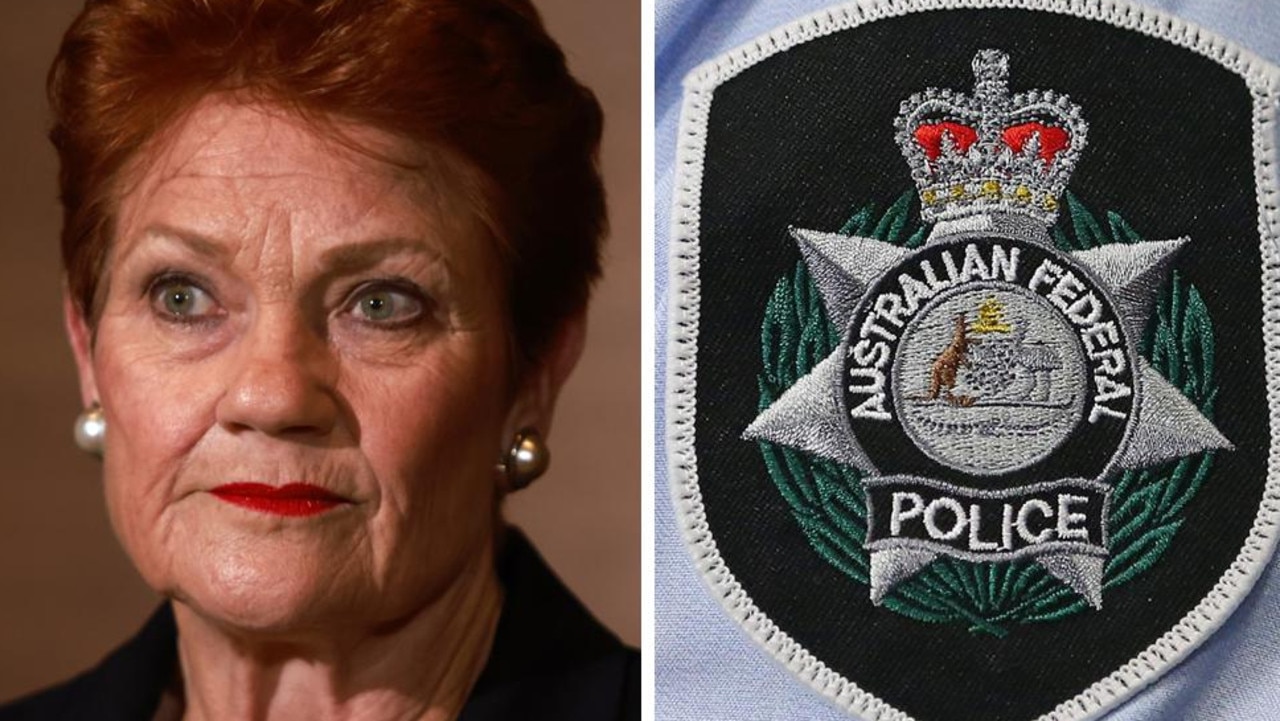
Australian Federal Police (AFP) have officially closed an investigation into One Nation leader Pauline Hanson, concluding that her inflammatory remarks about Muslim Australians did not cross the criminal threshold outlined in the nation’s new 2026 hate speech legislation.
The controversy ignited in February this year, during a Sky News interview focused on the debate over so-called ISIS brides seeking repatriation to Australia. During the discussion, Hanson made sweeping, widely criticized comments about the Islamic faith, claiming the Koran incites hatred of Western people and questioning the existence of “good Muslims”.
Shortly after the interview aired, federal law enforcement confirmed it had received multiple formal criminal complaints linked to Hanson’s statements. For months, the case hung over the veteran right-wing populist politician, as the controversy unfolded against a shifting political landscape where One Nation was seeing a dramatic jump in national opinion polling. Though the party’s polling momentum has softened slightly in recent months, it remains firm in its plans to contest the upcoming 2026 Victorian state election.
Facing widespread backlash from across the political spectrum immediately after the interview, Hanson issued a partial, conditional apology. She clarified that she only apologized to Muslim people who rejected sharia law, female circumcision and child marriage, and who aligned with Australian cultural norms and laws. When pressed by host Chris Kenny to issue a full apology to Australia’s one million Muslim residents, Hanson refused to backtrack on her core claims, only offering a broad apology for any offense taken to her stated beliefs.
In an official statement released Friday, an AFP spokesperson confirmed the investigation had concluded with no adverse findings against the federal senator. “In February 2026, the AFP received several complaints about public comments made by a Federal Parliamentarian,” the spokesperson said. “The AFP has determined the comments do not meet the threshold for relevant offences, including within the Combatting Antisemitism, Hate and Extremism (Criminal and Migration Laws) Act 2026.”
Hanson has framed the investigation as a politically motivated attack by the Labor Party and left-wing political actors, accusing her opponents of attempting to use the new hate speech laws to imprison her. “In other words, they’re trying to use Labor’s new hate speech laws to put me back in jail,” Hanson said. “Let me send a very clear message to those within Labor and the left side of politics. Stop gaslighting the Australian public.”
The closing of the case brings an end to the first high-profile test of Australia’s newly implemented hate speech legislation, reigniting debates around the balance between combating religious hatred and protecting political free speech in the country.