More than three years after the Taliban seized control of Kabul, a long-delayed parliamentary inquiry has delivered a scathing rebuke of the UK Ministry of Defence’s management of its flagship Afghan relocation program, concluding that a massive 2023 data breach that exposed the personal information of thousands of at-risk Afghans was entirely preventable.
The House of Commons Defence Committee published its highly anticipated report on Thursday, which outlines a cascade of institutional failures that led to the breach, saying the MoD lacked the core technical and administrative expertise to run the Afghan Relocations and Assistance Policy (ARAP) — a scheme launched in 2021 to resettle Afghans who had assisted British forces during the 20-year conflict, and who faced grave danger of Taliban reprisal. The report also accuses the department of using excessive secrecy to avoid proper public and parliamentary accountability for the failings.
Details of the breach first emerged internally in August 2023, but an extraordinary super-injunction — a court-ordered gagging order that not only bans reporting on sensitive information but also bars media from acknowledging the injunction itself exists — prevented any public disclosure of the incident for nearly two years, until July 2025. The inquiry found the injunction, which was originally scheduled to expire after four months, remained in place far longer than necessary, inflicting lasting damage to public trust and democratic oversight.
Contrary to early claims that the leak was an isolated error by a single staff member, the committee’s investigation confirmed it was a systemic failure rooted in longstanding institutional shortcomings. The breach occurred when an MoD employee shared an unsecure Microsoft Excel spreadsheet containing applicant data with an external trusted third party. The file held personal details for more than 18,500 ARAP applicants — every individual who had applied to the scheme by January 2022. This was not an isolated incident: the committee confirmed the 2023 leak was just one of 19 separate data security incidents reported at the ARAP program between February 2022 and November 2023. Earlier BBC reporting confirmed the breach originated at the headquarters of UK Special Forces (UKSF).
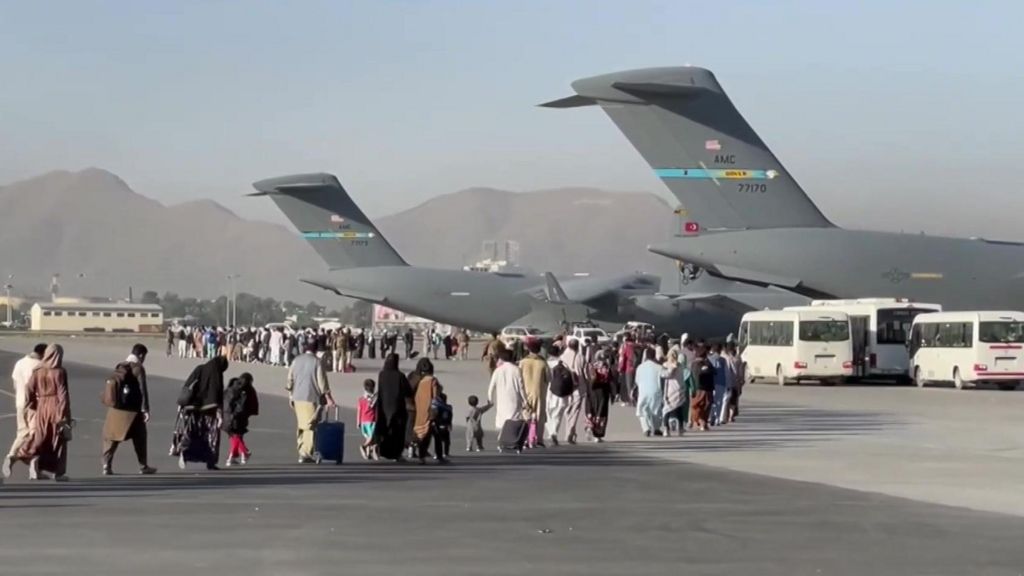
ARAP was launched in April 2021 to offer safe resettlement in the UK to Afghans who faced mortal risk due to their work with British military forces, including interpreters, support staff and members of Afghan special forces who fought alongside UK troops. The UK government closed the scheme to new applications in July 2025.
Committee chair Tan Dhesi condemned the core structural decision to put the MoD in charge of an immigration casework program, saying: “The Ministry of Defence should stick to defence – it should never have been left to run immigration casework schemes.” The report singles out the MoD’s reliance on basic Excel spreadsheets to store highly sensitive personal data as a “continuing cultural failure” and labels the entire ARAP program as “utterly and obviously inadequate”.
Dhesi also criticized the prolonged secrecy around the breach, noting that the two-year super-injunction “imposed serious costs on accountability and trust”. The inquiry further raised questions about the refusal to provide confidential briefings to senior opposition parliamentarians, revealing that then-Defence Secretary Grant Shapps blocked plans to inform then-shadow defence secretary John Healey about the incident. The committee also pushed back against the government’s longstanding policy of declining all comment on special forces matters, arguing that UKSF involvement in the program does not justify hiding administrative failings from Parliament and the public. “Secrecy has been too easily used as a shield against proper accountability in areas far removed from sensitive operations,” Dhesi said.
The inquiry also amplified longstanding concerns about UKSF’s role in reviewing ARAP applications from Afghan special forces, who served alongside British troops on some of the war’s deadliest missions and are at extremely high risk of Taliban retaliation. A 2024 BBC Panorama investigation revealed that UKSF had been given a de facto veto over applications from their former Afghan counterparts, and internal MoD documents obtained by the BBC showed a single UKSF officer rejected 1,585 Afghan special forces resettlement applications in a matter of weeks in 2023 — approving not a single one.
Many of those rejected have been left in hiding in Afghanistan, living in constant fear of targeted attacks by the Taliban. Former Afghan special forces members described their desperate situations to the BBC: one said he had been beaten and interrogated by the Taliban before going on the run, while another said, “I’m living in a very bad situation. I am in hiding and mostly my family can’t live together and we cannot go out and we cannot work. I feel I have been left alone in the midst of hell.”
Following public outcry in 2024, the government ordered a formal review of the rejected applications, and to date 884 of the UKSF-blocked applications have been overturned. The committee’s report notes that the high proportion of overturned decisions demonstrates the severity of the MoD’s failures, and emphasizes that the UK retains a “special responsibility” to the Afghan special forces who were wrongly rejected, many of whom have waited four years for a decision and still remain in danger.
Currently, the incumbent Defence Secretary is facing a high-profile legal challenge at London’s Royal Courts of Justice, brought by former Afghan special forces who are still trapped in Afghanistan and unable to access resettlement. During this week’s opening hearing, the court was told that one applicant’s family has just $200 left to cover all living expenses.
In an official response to the report, an MoD spokesperson acknowledged the gravity of the failure, saying: “This incident should never have happened and we acknowledge the significant impact it has had on many people.” The spokesperson noted that thousands of eligible Afghans have already been resettled safely in the UK, and the department is committed to concluding the Afghan resettlement program by the end of the current Parliament. “We are learning the lessons from this incident and important reforms are already in place, including improved data protection standards, strengthened case-working processes and better programme governance,” the statement said. “We welcome the public and parliamentary scrutiny of our actions, so we can learn more and be held to account, and we’ll continue to work closely with the committee on this issue.”