NAIROBI, KENYA – After a months-long suspension of joint military exercises triggered by legislative pushback over community protection safeguards, East Africa’s Kenya and the United Kingdom have announced a formal agreement to resume military training activities in the country. The pause in operations, first announced on July 23, stemmed from delays in finalizing a new bilateral defense cooperation pact, with Kenya’s parliament raising significant concerns about ensuring safety and legal protections for local populations residing near British training areas.
The long-standing security partnership between the two nations has been shadowed by high-profile controversies in recent years that fueled growing public and political pressure to re-examine the British military presence in Kenya. In 2012, the body of 21-year-old local woman Agnes Wanjiru was discovered in a septic tank in Nanyuki, a town adjacent to the British army’s main training ground. Witness accounts placed Wanjiru leaving a local bar with British soldiers shortly before her disappearance, yet no convictions have ever been secured in connection with her death. A separate 2021 incident saw an accidental fire ignited by British troops during training destroy more than 12,000 acres of protected habitat at the Lolldaiga Conservancy, a major conservation area near the training site, drawing widespread criticism over accountability for environmental damage.
Notably, neither the Kenyan nor British government has issued any formal public comment on longstanding allegations of human rights abuses linked to British soldiers conducting past training exercises in the country.
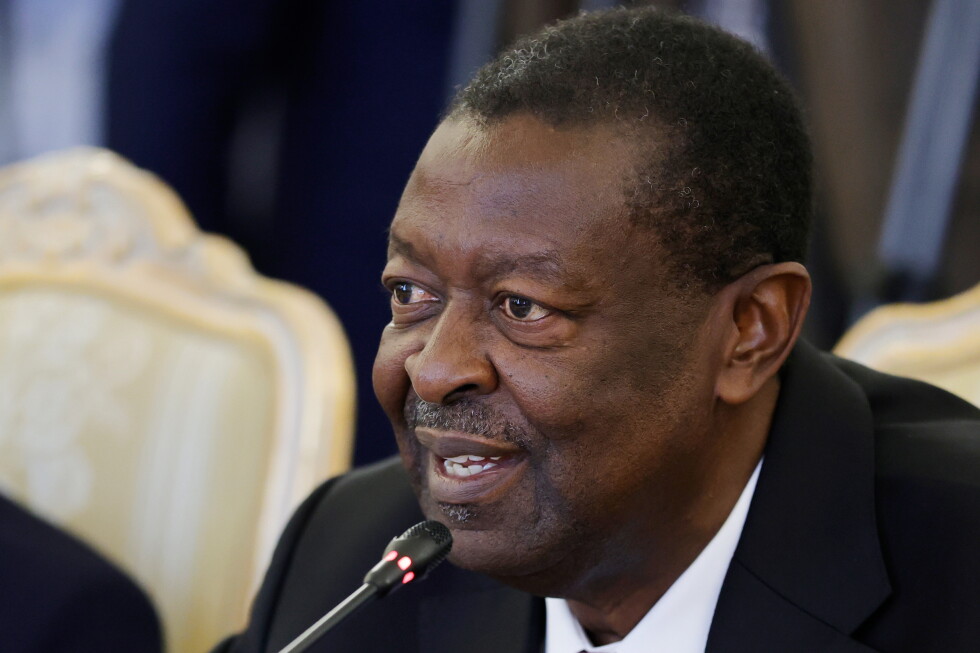
Despite these unresolved tensions, Kenyan Foreign Affairs Minister Musalia Mudavadi framed the resumption of training as a continuation of a durable bilateral relationship. “This partnership has been built over decades on mutual respect, constructive engagement, and a shared commitment to peace and security across the region,” Mudavadi stated, adding that the Kenyan government welcomes the decision to move forward with exercises.
Authorities have refuted previous local media speculation that the UK was planning to redirect a portion of its military training activities to neighboring Tanzania, calling those reports unfounded.
In an official statement, the British government confirmed that Kenyan officials have approved all required operational licenses and permissions to restart training, which is scheduled to resume before the end of the current year. Currently, around 200 permanent British military personnel are stationed in Kenya, where they annually train more than 1,000 Kenyan soldiers ahead of the Kenyan troops’ deployment to Somalia to fight al-Shabab, the al-Qaida-affiliated militant group operating in the Horn of Africa. The UK invests approximately 1.1 billion Kenyan shillings, equal to $9.6 million USD, into the bilateral defense partnership each year.