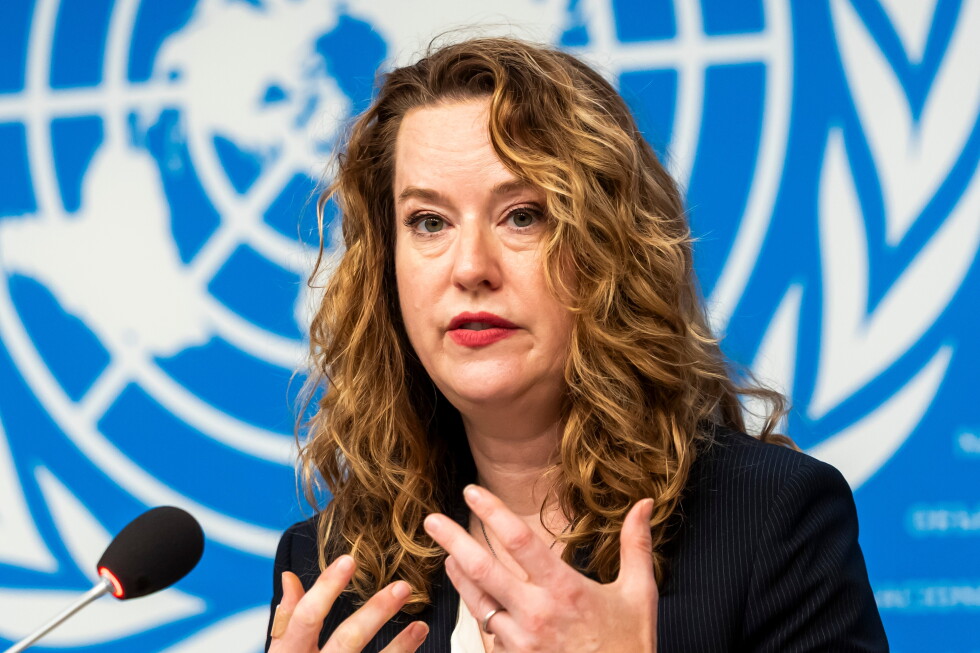
GENEVA — A growing global criminal enterprise that traffics vulnerable people into forced labor at cross-border online scam hubs is reaching alarming new levels, the United Nations’ migration body has cautioned. In a press briefing with reporters in Geneva on Tuesday, International Organization for Migration (IOM) Director-General Amy Pope outlined the disturbing scale of the exploitation, noting that victims are now being sourced from more than 80 nations worldwide. Unlike many common trafficking profiles, the rings specifically target educated, fluent English speakers—often holders of graduate degrees—to carry out their fraudulent schemes.
Pope explained that most victims are lured into the trap through deceptive recruitment tactics spread across social media platforms. Fake job postings advertise well-paying professional positions abroad, drawing in job seekers who are eager for new opportunities. Once the victims arrive at their supposed work destinations, they are immediately detained, stripped of their passports and other identity documents, and coerced through violence, intimidation, and a system of debt bondage to run online scams. This form of forced criminality leaves deep physical and psychological scars on survivors, who face severe consequences even if they manage to escape.
The majority of these criminal scam operations are concentrated across Asia, according to the IOM’s data. The United Nations Office on Drugs and Crime estimates that the scams generated up to $114 billion in illegal losses for victims across East Asia, Australia and New Zealand in 2024 alone. It is believed that hundreds of thousands of trafficked people are currently held against their will in fortified scam compounds scattered throughout the region.
Between 2022 and early 2025, the IOM has provided direct support and reintegration services to more than 3,500 survivors of this type of trafficking. The data collected through these assistance programs shows that the most affected origin countries include Indonesia, India, Sri Lanka, Ethiopia, Kenya and Bangladesh, though victims from nearly 40 nations have been recorded to date. Pope’s warning underscores the transnational nature of this crisis, which requires coordinated cross-border law enforcement action, greater public awareness of fake job recruitment scams, and expanded support for survivors to address the growing threat.
Criminal gangs increasingly lure people to work in online scam centers, UN migration agency warns