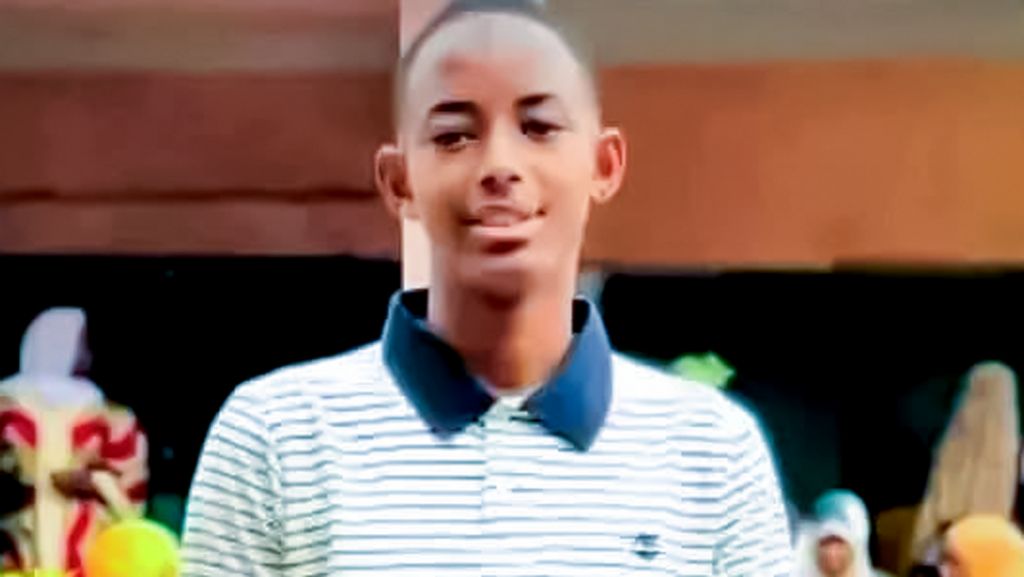
A tragic incident in Guinea has sparked public outcry and demands for official accountability after a 17-year-old student with a chronic genetic illness died days after being arrested for alleged exam cheating. Mamadou Djouma Bah, a social sciences student, was taken into custody on July 15 alongside multiple other students accused of fraud during Guinea’s national baccalaureate school-leaving examination, with authorities alleging he used a mobile phone to violate exam rules.
Two days after his arrest, Bah was convicted of the cheating charge, handed a six-month prison sentence with five months suspended, and ordered to serve one month behind bars at a facility in Kindia, a city located roughly 137 kilometers northeast of Guinea’s capital Conakry. It was during his detention that Bah’s pre-existing sickle cell disease, a lifelong and life-threatening blood disorder common among people of African descent, began to deteriorate rapidly.
Sickle cell disease is caused by a genetic mutation that produces misshapen red blood cells, which can become lodged in blood vessels and block healthy circulation. This blockage often causes extreme, debilitating pain episodes, increases the risk of life-threatening infections and anemia, and can lead to permanent organ damage or death if not properly managed. People living with the condition require consistent access to medical care, hydration, and monitoring to prevent acute health crises.
After Bah’s condition worsened in custody, prison officials transferred him to Kindia’s regional hospital for emergency treatment. His father, Mamadou Saliou Bah, recalled the final moments he shared with his son in an interview with the BBC. When the elder Bah visited his son in the hospital, he said the teenager told him he could not breathe properly, asked to lean against his father for support, and uttered his final words: “Dad, I’m dying.”
According to local government officials, Bah was discharged from the hospital after roughly two days of treatment and returned home, where he died shortly after. Speaking to the BBC, Bah’s father placed full blame for his son’s death on state authorities, saying the teenager did not receive adequate medical care while he was detained in prison. He has joined human rights organizations in calling for a full independent investigation into the circumstances of his son’s death.
Beyond the demand for justice for his son, Saliou Bah is also calling for the immediate release of the other students still being held on exam fraud charges, warning that they face the same risk of preventable harm. “A student should not be sent to prison. These young people are the future of our country,” he said. “We lost our son; we lost our future.”
Guinea’s Education Minister Alpha Bacar Barry issued a statement acknowledging the tragedy, saying he was “deeply saddened by the news” and extended “sincere condolences” to the Bah family. Human rights groups have echoed the family’s call for an independent probe, not only into Bah’s death but also into the prosecution of the other detained students. On Wednesday, hundreds of students held demonstrations across the country to protest the detentions and demand the immediate release of their classmates.