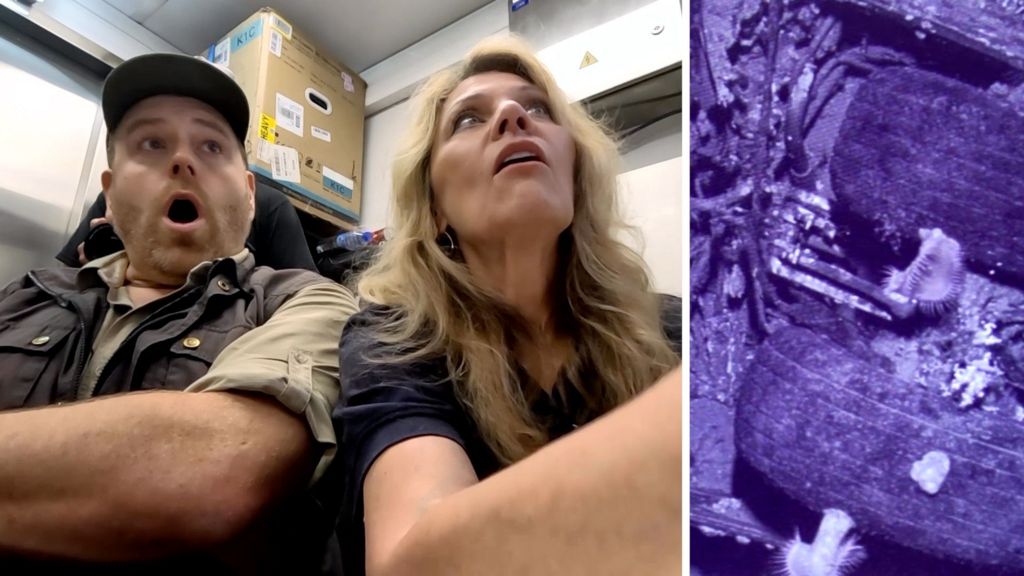
Seventy-four years after a catastrophic mid-flight disaster sent a historic Pan American World Airways seaplane to the bottom of the Caribbean Sea, a research team has finally succeeded in capturing the first clear views of the aircraft’s resting place. The plane, officially named the Clipper Endeavor, met its tragic end off the northern coast of Puerto Rico on April 11, 1952, when a catastrophic multi-engine failure left the aircraft unable to maintain altitude. In the decades following the crash, the exact location and condition of the wreckage remained a mystery to historians, aviation experts, and descendants of those involved in the incident. Recent advances in deep-sea mapping and underwater exploration technology allowed the research team to pinpoint the debris field and document the aircraft’s remains for the first time since it sank. The discovery offers long-awaited new insights into one of Pan Am’s lesser-known early commercial aviation accidents, opening new opportunities for historical research and preservation of the site. For communities connected to the crash, the first glimpse of the wreckage after three-quarters of a century closes a long chapter of uncertainty around the disaster.
Moment research team gets first look at Pan Am plane wreckage after 74 years