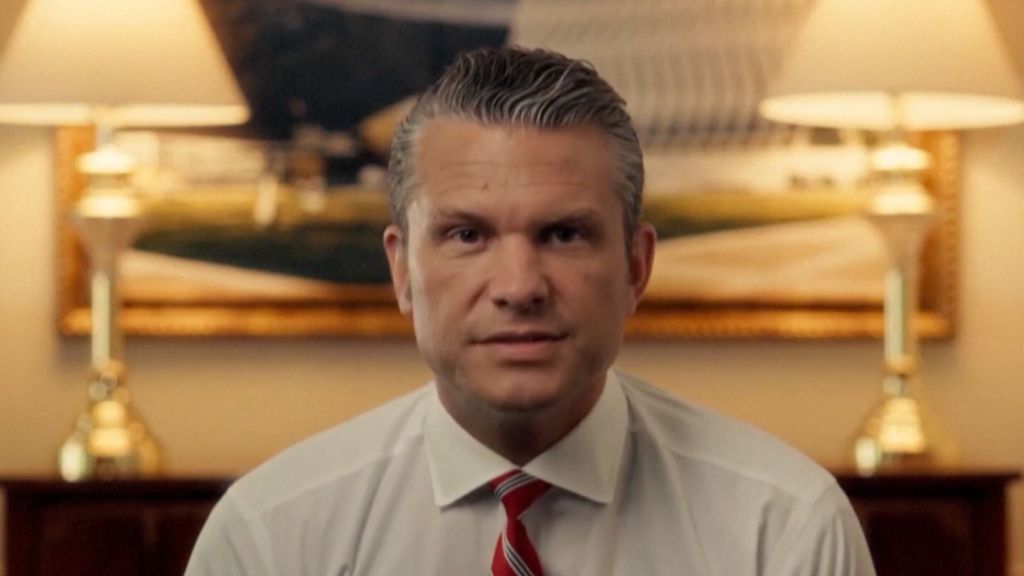
In a sweeping policy shift aimed at addressing long-overlooked health concerns among active-duty service members, U.S. Secretary of Defense Pete Hegseth has formally announced a new mandatory screening program that will require all active-duty and reserve troops to undergo routine testing for testosterone deficiency. The rollout of the new initiative comes alongside a reaffirmation of the U.S. military’s longstanding ban on non-medical testosterone use, a rule that has been enforced for decades to maintain fair competition, preserve force readiness, and mitigate the serious long-term health risks associated with unsupervised hormone supplementation. Military health officials have noted that undiagnosed low testosterone has been linked to a range of performance and health issues that can directly impact troop readiness, including persistent fatigue, reduced muscle mass, impaired cognitive function, and poorer mental health outcomes. By introducing routine population-level screening, defense leaders hope to identify at-risk service members early, provide evidence-based medical treatment to those with clinically confirmed deficiency, and preserve the overall fighting capacity of the U.S. armed forces. The policy clarifies that only service members who receive a formal diagnosis from a military medical provider will be cleared to receive testosterone therapy, with strict monitoring protocols in place to ensure compliance with medical guidelines. Any service member found to be using testosterone without a valid medical authorization will face disciplinary action under the Uniform Code of Military Justice, consistent with existing regulations governing performance-enhancing drug use. Defense analysts say the new screening program represents a growing recognition of the impact of hormonal health on force readiness, marking a key update to the U.S. military’s preventive health framework.