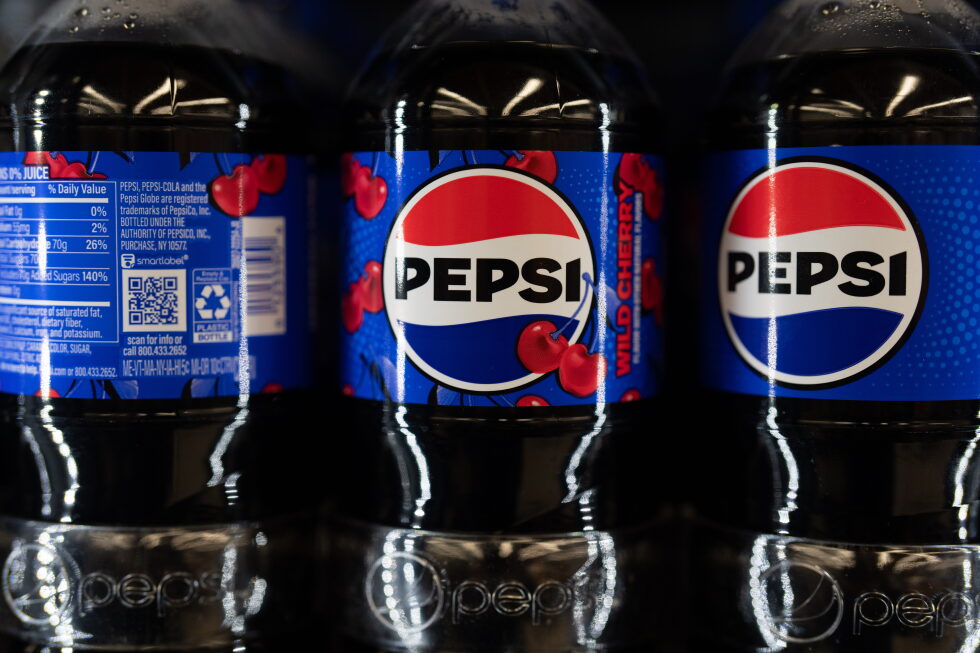
Leading global food and beverage conglomerate PepsiCo has outperformed Wall Street revenue projections for the second quarter of the fiscal year, even as softened consumer spending in its key North American market created headwinds amid ongoing economic anxiety. The Purchase, New York-based firm announced its second quarter results Thursday, revealing net revenue climbed 6.4% year-over-year to hit $24.2 billion. This figure edged past the consensus analyst forecast of $23.9 billion compiled by financial data firm FactSet.
The quarterly results cap a period of shifting consumer behavior that has forced PepsiCo to adjust its pricing and product strategy. Earlier this year, ahead of the Super Bowl, the company implemented an aggressive price cut of up to 15% on popular salty snack lines including Lay’s, Doritos, Cheetos and Tostitos. The move came in direct response to growing consumer frustration over years of steady price increases across the grocery sector, and it delivered a noticeable bump in North American snack demand during the first quarter.
However, the second quarter brought new economic pressures tied to escalating conflict between Iran and Western powers. A sharp spike in global oil prices driven by the war pushed gasoline costs higher across the U.S., forcing many households to further tighten discretionary spending. By the end of the quarter, PepsiCo’s North American snack sales volumes had stalled entirely, while beverage volumes fell by 4% compared to the previous year.
Though gas prices retreated temporarily to deliver a small uptick in consumer economic sentiment, the improvement has not shifted overall negative public outlook. Recent escalations in Iranian hostilities have already pushed gas prices back upward over the past 48 hours, signaling ongoing volatility for consumer budgets in the quarters ahead.
Against the challenging North American landscape, PepsiCo’s international divisions delivered stronger performance that offset domestic weakness. Globally, the company recorded a 3% increase in snack volumes and a 2% rise in beverage volumes, driven in part by innovative themed marketing tied to a major international sporting event. Limited-edition World Cup product offerings, including unique regional Lay’s flavors such as Portuguese Chorizo and Onion, resonated with consumers across global markets and lifted overall sales.
Looking ahead, PepsiCo says it will maintain its focus on making core products more accessible to budget-stretched consumers, with continued investments in pricing and production to keep costs manageable. The company is also expanding its portfolio to meet growing consumer demand for healthier packaged goods. Earlier this year in March, it launched Gatorade Lower Sugar, a new formulation of its iconic sports drink that contains no artificial flavors or coloring additives.
On the bottom line, PepsiCo reported strong net income growth that saw quarterly profit more than double year-over-year to $2.98 billion. When adjusted for one-time accounting items, the company posted earnings of $2.18 per share — a figure that came just one cent short of the average analyst forecast of $2.19 per share. In premarket trading on Thursday following the earnings release, PepsiCo’s share price dipped less than 1%.