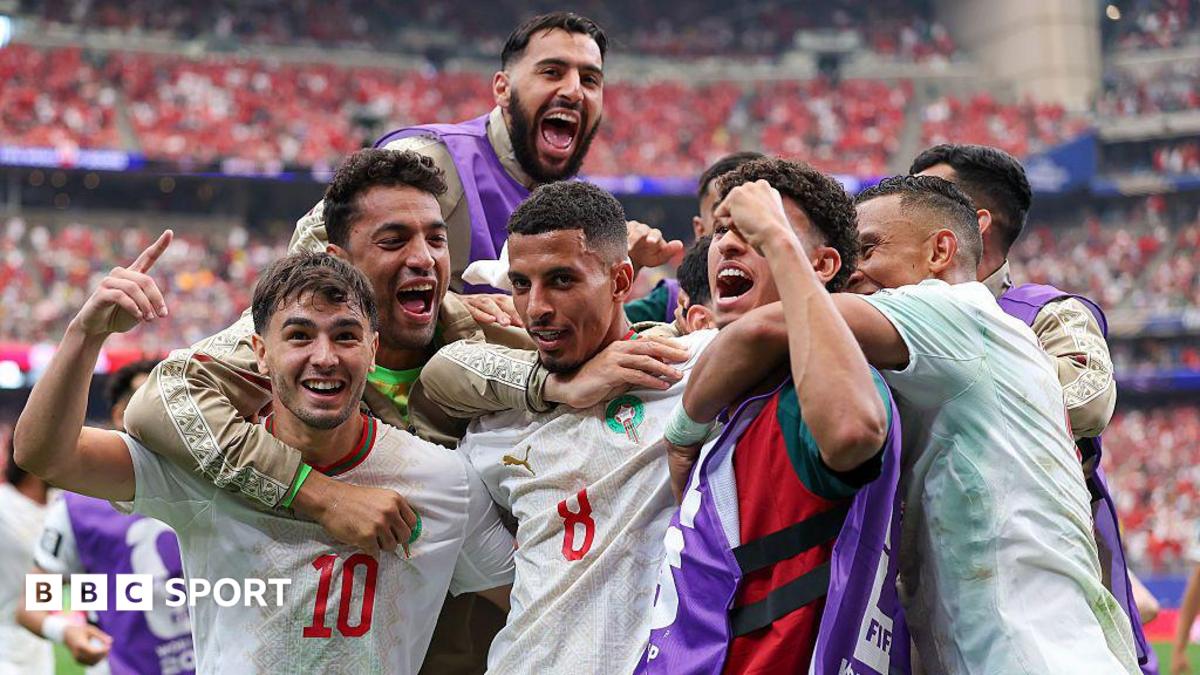
As Morocco prepares to face France once again for a spot in the 2026 FIFA World Cup semifinals on Thursday, football insiders who helped shape the nation’s modern program say the Atlas Lions’ current success is no fluke – it is the payoff of years of intentional, top-backed investment and strategic planning.
Wales native Neil Ward, who stepped into the role of technical operations director at the Royal Moroccan Football Federation (RMFF) in 2020 after leading the Football Association of Wales Trust, was in Rabat when the country made global football history in 2022, becoming the first African nation to reach a men’s World Cup semifinal. He recalled that the entire city erupted in celebration that stretched into the early morning, with King Mohammed VI himself joining the festivities to mark the milestone. Even after a narrow elimination against France that tournament, the team’s momentum has not slowed, and as co-hosts of the 2030 World Cup alongside Spain and Portugal, the nation shows no sign of stepping back from its ambition to compete among the world’s elite.
For British coaching educator Simon Jennings, who oversaw Morocco’s national youth development system from 2020 to 2024, the team’s current standing is the direct outcome of clear, unwavering national ambition rooted in the highest levels of government. King Mohammed VI has backed sustained, large-scale investment across every layer of Moroccan football, funding a cutting-edge national training center, elite youth academy, regional development hubs, major stadium renovations, and thousands of new amateur playing pitches across the country. These world-class facilities send a clear message to top talent playing in Europe’s top leagues that Morocco is serious about competing at the highest level, Ward explained.
This significant public investment in football has drawn criticism from youth activists, who have called for greater funding to be redirected to pressing domestic priorities including education, healthcare, affordable housing, transport infrastructure and job creation. In response to these calls, the royal palace has committed to increasing 2026 budget allocations for health and education by 16% year-on-year, totaling the equivalent of £11.2 billion in new spending.
Ward noted that the push to invest in football is rooted in two core goals: tapping into the deep, widespread passion for the sport that already exists across Moroccan society, and building the nation’s global soft power by proving it can compete with the world’s best football nations. That ambition represents a major shift in mentality: heading into the 2022 World Cup, Morocco had only advanced past the group stage once before, in 1986. But even before the first match kicked off in Qatar, then-manager Walid Regragui made clear the team was not just there to participate – they were there to make history.
A key part of Morocco’s competitive edge comes from its proactive scouting of talented players of Moroccan descent around the world. With an estimated 5 million Moroccans living abroad, the federation has deployed full-time scouts across major European nations including France, the Netherlands, Spain, Germany, and Scandinavia to identify promising young players with Moroccan roots early in their careers, and welcome them fully into the national team setup. Jennings emphasized that these players are fully embraced as Moroccans, with no sense of being secondary members of the squad, and many choose to represent Morocco even when they are eligible for top European national teams.
That strategy has already delivered dramatic results: 19 of the 26 players in Morocco’s 2026 World Cup squad were born outside the country. Six of those players, including highly touted 18-year-old Lille midfielder Ayyoub Bouaddi, were previously eligible to represent Thursday’s opponent France. Even rising Barcelona star Lamine Yamal, who represents Spain at the senior level and has a Moroccan father, was approached by the RMFF when he was just 12 or 13 years old – a testament to the federation’s commitment to leaving no stone unturned in talent identification, even when recruitment does not ultimately pan out.
Now, the next phase of Morocco’s plan is growing more elite talent through its domestic youth system. Chris van Puyvelde, who served as RMFF technical director from 2022 to 2025, said the federation’s goal by the 2030 co-hosted World Cup is to reach an even split between players born in Morocco and players of Moroccan descent raised abroad. To hit that target, van Puyvelde noted, domestic organizational systems still need improvement, a challenge that comes amid growing pressure to deliver consistent top results.
That pressure has already been felt by current senior manager Mohamed Ouahbi, the Belgium-born coach who took over the top job after Regragui resigned following a disappointing early exit from the 2025 African Nations Cup. After his Moroccan under-20 side failed to qualify for the 2023 African Nations Cup, Ouahbi retained the federation’s backing and, with added time and patience, led the under-20 squad to win the 2025 U-20 World Cup – earning him a promotion to the senior team role just months later, with a contract running through the 2030 World Cup. That long-term contract signals the federation’s commitment to building sustained success, not just chasing short-term results.
As Morocco gets ready to face France for a spot in the 2026 World Cup semifinals, van Puyvelde summed up the transformation the country has undergone: Morocco is not just building new stadiums for the 2030 World Cup, it is building a complete, grassroots football structure from the bottom up. The breakthrough success of 2022 has already created momentum that is spreading across the entire country, and regardless of Thursday’s outcome, the Atlas Lions’ rise as a global football powerhouse is only just beginning.