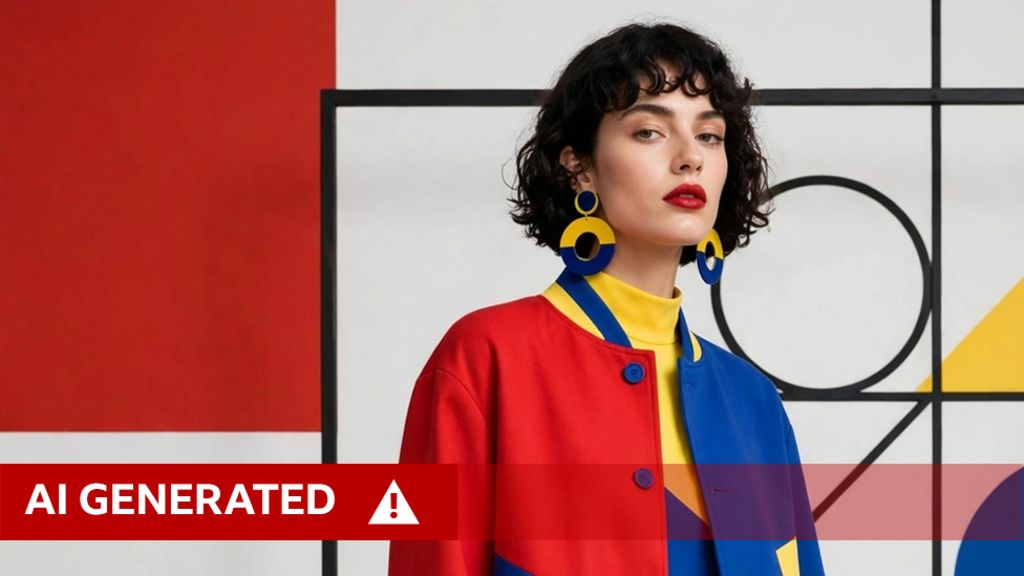
Tech giant Meta has sparked widespread public and regulatory criticism over its newly launched artificial intelligence image generation tool, Muse Image, which carries the controversial capability to create AI-altered images using existing public profile pictures from users without their prior explicit consent.
As a new addition to the fast-growing market of text-to-image generative AI tools, Muse Image converts short text prompts into custom-created images. It is currently rolled out to users across the United States, accessible via the Meta AI standalone app and web interface, as well as integrated into WhatsApp and Instagram Stories. Unlike many competing tools that rely exclusively on user-uploaded source material, Muse Image draws on the massive library of public user content hosted across Meta’s social platforms, enabling it to incorporate existing profile and user images into new AI-generated creations.
While Meta has framed the tool as an accessible creative innovation, and confirmed that even users with public Instagram accounts can opt out of having their images repurposed for AI generation via a dedicated settings toggle, critics have decried the feature as a major threat to digital privacy and personal security. The opt-out process requires users to manually navigate to Instagram’s settings menu, select the “Sharing and Reuse” tab, and disable the content reuse toggle for posts and reels – a step many users are unaware of, according to campaigners.
Donald Campbell, advocacy director at UK-based tech justice non-profit Foxglove, told the BBC that the unconsensual reuse of personal images is an “obvious recipe for disaster”. Campbell noted that over the past 12 months alone, social platforms have already recorded a long list of harms stemming from non-consensual AI-altered images, ranging from non-consensual deepfake pornography to identity fraud and reputational damage. He questioned why Meta CEO Mark Zuckerberg would choose to facilitate what he described as “creepy image manipulation” on a mass scale.
Privacy International, another global digital rights advocacy group, also joined the criticism, arguing that the launch of Muse Image is the latest example of big AI companies treating users’ personal data and likenesses as uncompensated raw material for commercial exploitation. The criticism has been echoed by ordinary social media users, with one commenting on X that pulling real users into AI-generated photos without explicit permission is “a privacy landmine waiting to detonate”.
The controversy comes as global regulators are already ramping up scrutiny of non-consensual AI image generation across the tech sector. UK communications regulator Ofcom is currently conducting an investigation into X (formerly Twitter) over the role of Elon Musk’s Grok AI in creating and distributing non-consensual AI-altered images of real individuals. Meta’s launch of Muse Image is almost certain to face intensified regulatory review amid growing concerns about the risks of unregulated generative AI.
In its official description of the tool, Meta says Muse Image uses advanced AI reasoning to interpret complex user prompts, and can seamlessly blend multiple source images into high-quality finished creations that users can download and share across any platform. The tool also includes preset prompt suggestions to inspire creative ideas, and allows users to sketch custom edits directly onto generated images. While the core tool is free for casual everyday creative use, Meta offers expanded usage limits for heavy users via its paid subscription plans.
A test of the tool demonstrated its capabilities: when asked to generate an image of the tester driving a car, the AI produced a convincing result – though it made a notable error, placing the steering wheel on the left side rather than the right, the standard for vehicles in the United Kingdom where the test was conducted.
Looking ahead, Meta has confirmed that it plans to expand access to Muse Image in the coming months, rolling the feature out to Facebook and Messenger, and also making the tool available to advertisers for commercial content creation. A video generation variant of the tool is also reportedly in active development at the company.