Tensions have flared into a full diplomatic dispute between South Africa and Ghana, sparked by conflicting claims over the death of a Ghanaian national amid a nationwide wave of anti-migrant unrest that has been building for months across South Africa. At the core of the disagreement are competing accounts of the death of 40-year-old Bashiru Isak, a Ghanaian tailor who had resided in South Africa for roughly two decades. Ghana’s Ministry of Foreign Affairs says it received deeply shocking reports that Isak was shot and killed at his workplace in Cape Town’s Khayelitsha township on Tuesday, the same day that anti-migrant groups held an unofficial deadline for all undocumented foreign nationals to leave South Africa. According to local Ghanaian media outlet Joy FM, the attackers confronted Isak at his shop, accusing him of taking employment opportunities from native South African citizens before opening fire. Ghana has formally rejected the killing, issued a diplomatic protest note to South African authorities, filed an official police complaint, and called for a full, transparent, and rapid investigation to hold all responsible parties accountable. The Ghanaian government has also stressed that South Africa must uphold its international commitments to protect the safety, dignity, and human rights of all foreign nationals residing within its borders, including Ghanaian citizens, and has begun arrangements to repatriate Isak’s remains to Ghana for burial while extending official condolences to his bereaved family. It has also issued a public advisory urging Ghanaian citizens who choose to remain in South Africa to stay alert and avoid areas deemed high risk for anti-migrant violence.
However, South African officials have categorically denied Ghana’s version of events, dismissing claims linking the reported killing to anti-migrant protests as a fabricated, false narrative. South Africa’s Justice Minister has publicly pushed back against Ghanaian authorities, criticizing them for spreading inaccurate information related to developments around irregular migration in the country. South African police confirm they have no official record of a murder occurring in Khayelitsha matching the details Ghana has provided, and have formally requested that Ghanaian authorities share any evidence or specific details they hold about the alleged incident to allow for a formal investigation.
South African police do confirm that they are probing the fatal shooting of a second Ghanaian national, 35-year-old Kwabena Boagen, whose killing took place one day before the reported Isak incident in Nyanga, a separate Cape Town township. According to police accounts, Boagen resided in the Khayelitsha area but worked in Nyanga, where the attack unfolded. Investigators say suspects entered the barbershop where Boagen worked, demanded an extortion payment from him, shot him, and then fled the scene. No arrests have been made in the case to date, and a post-mortem examination is currently being conducted in line with standard police procedures.
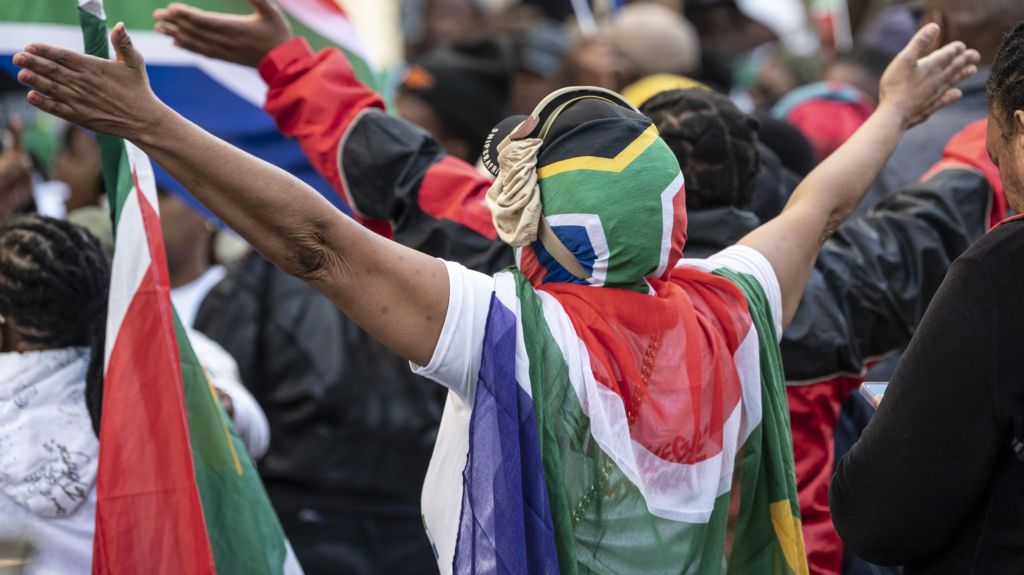
The disputed killing comes as anti-immigrant sentiment has reached new heights in South Africa, a nation that currently holds one of the highest unemployment rates globally, with official figures topping 30%. As Africa’s most industrialized and developed economy, South Africa has long drawn economic migrants from lower-income neighboring and regional countries, who often take up low-wage work that native citizens frequently decline. Anti-migrant groups organized mass marches across South Africa’s major cities on Tuesday, the date of their self-imposed deadline for all undocumented foreigners to leave the country. South African police reported that the majority of the protests were largely peaceful, but noted that around 900 people were taken into custody on Tuesday, with most arrests tied to immigration violations and incidents of looting.
Ahead of the deadline, multiple African governments including Ghana, Malawi, and Nigeria have begun repatriation operations to bring their citizens back home, after many migrant residents reported facing rising violence and intimidation targeting foreign nationals. South African officials confirm that as of this week, approximately 25,000 foreign migrants have already left the country to escape the growing hostile environment.