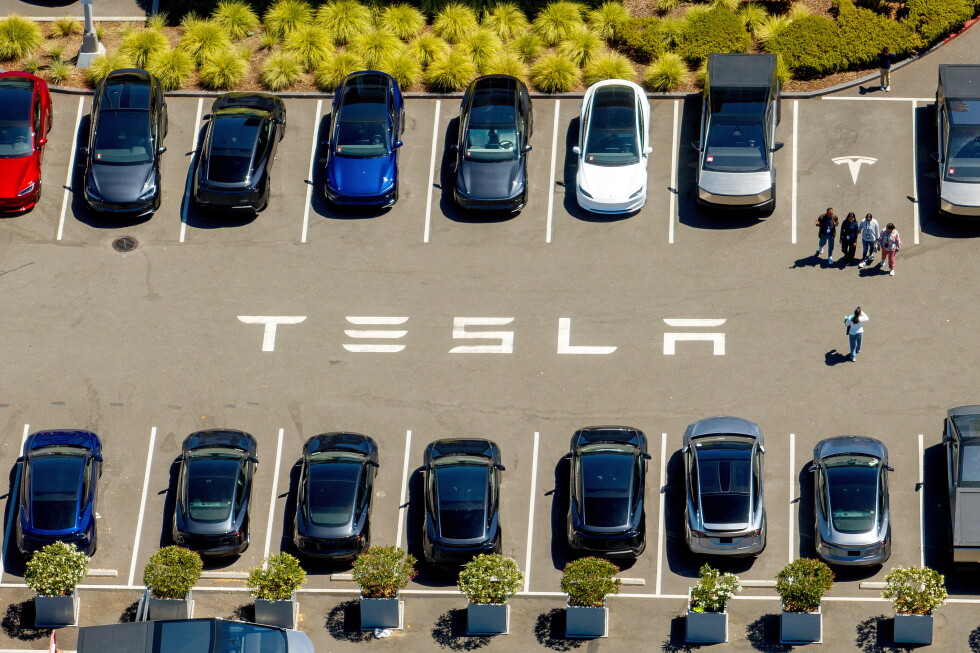
Electric vehicle giant Tesla has delivered a surprising strong performance in the second quarter of this year, with sales surging 25% compared to the same period last year — a jump that suggests consumer backlash tied to CEO Elon Musk’s controversial political stances may be largely behind the company. The Austin-based automaker announced Thursday that it delivered 480,126 vehicles to global customers in the three-month period, far outpacing both the 384,126 deliveries recorded a year ago and the 401,000 delivery forecast that Wall Street analysts projected in a FactSet survey. This quarter marks the second consecutive period of rising sales, marking a sharp turnaround from Tesla’s slump just months ago, when the company reported two straight years of annual sales declines and ceded its long-held title as the world’s top-selling electric vehicle manufacturer to China’s BYD.
The sales rebound comes after more than a year of consumer pushback against Tesla and Musk. Last year, widespread boycotts and protests erupted across Europe and the U.S. after Musk publicly endorsed far-right political candidates in European elections. Demonstrations included effigy burnings of Musk in Milan, vandalism targeting Tesla vehicles and stores, and pledges from thousands of consumers to avoid purchasing the brand’s EVs. In the U.S., additional anger stemmed from Musk’s leadership of a former Trump administration task force focused on cutting federal government spending, which drove many of Tesla’s traditional liberal-leaning customer base away from the brand. A U.S. federal $7,500 tax credit for new EV purchases was also eliminated for Tesla late last year, raising the effective cost of the company’s vehicles and keeping many price-sensitive buyers on the sidelines even amid rising gasoline prices that have otherwise boosted overall EV demand.
While Tesla did not release a regional breakdown of its Q2 delivery numbers, preliminary data from European industry groups already showed massive sales gains across the continent in May, including a 300% year-over-year jump in Germany alone. The rebound in European demand is largely attributed to targeted pricing moves Tesla rolled out starting last year: the company introduced lower-priced variants of its popular Model 3 and Model Y lines, and cut the cost of consumer leases and auto loans across European markets. Broader market trends have also helped: rising gasoline and diesel prices, spurred in large part by ongoing geopolitical tensions tied to the Iran conflict, have driven a widespread surge in overall EV adoption across the continent.
Looking ahead, Tesla is betting that regulatory approval of its controversial Full Self-Driving (Supervised) driver assistance system will further accelerate sales growth in Europe. The technology, which is already available to customers in the U.S., earned regulatory approval in the Netherlands back in April, with Estonia, Greece and Lithuania following suit in subsequent months. Expanded approvals across more European nations are expected to draw new customers to the brand.
Even with the strong global headline numbers, U.S. sales continue to struggle, according to estimates from automotive research firm Cox Automotive. The group projects that Tesla’s U.S. deliveries fell 20% year-over-year in the second quarter, dragged down by the lingering impact of the eliminated federal tax credit and ongoing consumer discontent with Musk.
In an unexpected market move, Tesla’s stock dropped 6% in midday trading Thursday despite the much-better-than-expected delivery results. Morningstar analyst Seth Goldstein attributed the counterintuitive dip to profit-taking by investors, who have booked gains after a sharp recent rally in Tesla shares. Over the past 12 months, Tesla’s stock has jumped more than 40%, fully recovering from a deep decline in early 2024. The rally has been fueled in part by Musk’s successful shift in market narrative, which has reframed Tesla’s long-term growth story around its artificial intelligence, automated driving technology, humanoid robot division and planned self-driving robotaxi service rather than its core vehicle manufacturing business, a pivot that has won over Wall Street investors.