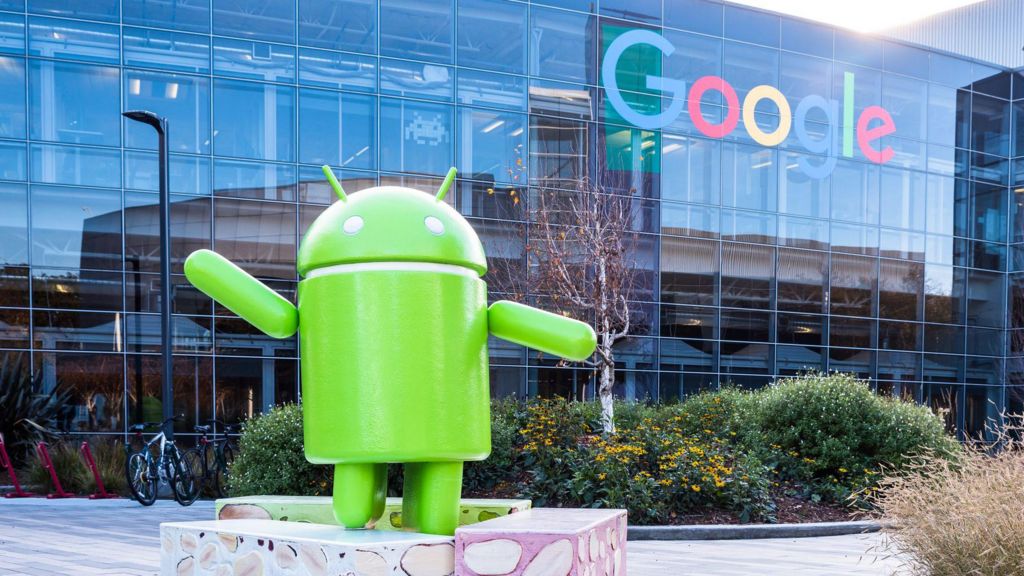
After years of legal wrangling between Google and European antitrust regulators, Europe’s highest judicial body has finalized its ruling: the U.S. tech giant must comply with a €4.1 billion (£3.5 billion) fine for anti-competitive behavior tied to its dominant Android mobile operating system. The decision dismisses Google’s latest appeal of the penalty, closing a years-long chapter in one of the most high-profile antitrust cases against Big Tech.
The case traces its origins back to 2018, when the European Commission first leveled a €4.3 billion (£3.9 billion at the time) fine against Google, accusing the company of leveraging Android’s market power to freeze out competing products. The fine was adjusted down to €4.1 billion in 2022 as part of a procedural review, but Google continued to challenge the ruling before Europe’s top court. Wednesday’s dismissal of the appeal leaves the trimmed penalty intact, marking the largest penalty the European Commission has ever issued against Google to date.
Regulators laid out three core illegal practices in the original 2018 ruling. First, Google forced manufacturers of Android-powered handsets and tablets to pre-install both Google Search and the Chrome web browser as a non-negotiable condition for gaining access to the Google Play app store, the primary distribution hub for Android applications. Second, the company offered financial incentives to major device manufacturers and mobile network operators that agreed to exclusively pre-install Google Search across their product lines. Third, Google blocked manufacturers from selling devices running modified, forked versions of Android by threatening to revoke their licenses to pre-install Google’s popular apps. Regulators did acknowledge that Google’s default Android setup does not prevent end users from manually downloading alternative browsers or search engines after purchasing a device.
In a statement responding to the latest ruling, a Google spokesperson criticized the court’s decision, arguing it fails to acknowledge the company’s substantial investments in maintaining Android as an open, interoperable, and free operating system for developers, partners, and users. “In any event, we adapted our agreements to comply with the initial decision back in 2018 and we remain focused on continued innovation and openness for our users, partners and developers,” the spokesperson added. The company’s chief executive Sundar Pichai echoed this sentiment when the original fine was announced, writing in a 2018 blog post that the ruling threatened the core business model that has made Android a platform that expanded consumer choice rather than restricting it.
This latest ruling is far from the only antitrust action Google and its parent company Alphabet have faced from European regulators in recent years. In 2024, the Commission ordered Google to pay a €2.4 billion (£2 billion) fine for abusing its market power in the shopping comparison service space, prioritizing its own offering over that of rivals. A year later, in 2025, regulators issued another €2.95 billion (£2.5 billion) penalty after finding Google broke competition rules by prioritizing its own ad tech products in search results, at the expense of competing ad providers.
Notably, this €4.1 billion EU penalty is not the largest fine Google has ever been ordered to pay globally. In October 2024, a Russian court hit the company with an unprecedented fine of two undecillion roubles for restricting access to Russian state media channels on Google-owned YouTube, a sum that exceeds the total global GDP.
Readers interested in tracking the latest developments in global technology policy and Big Tech regulation can sign up for the outlet’s Tech Decoded newsletter to receive top stories and trend analysis directly to their inboxes.