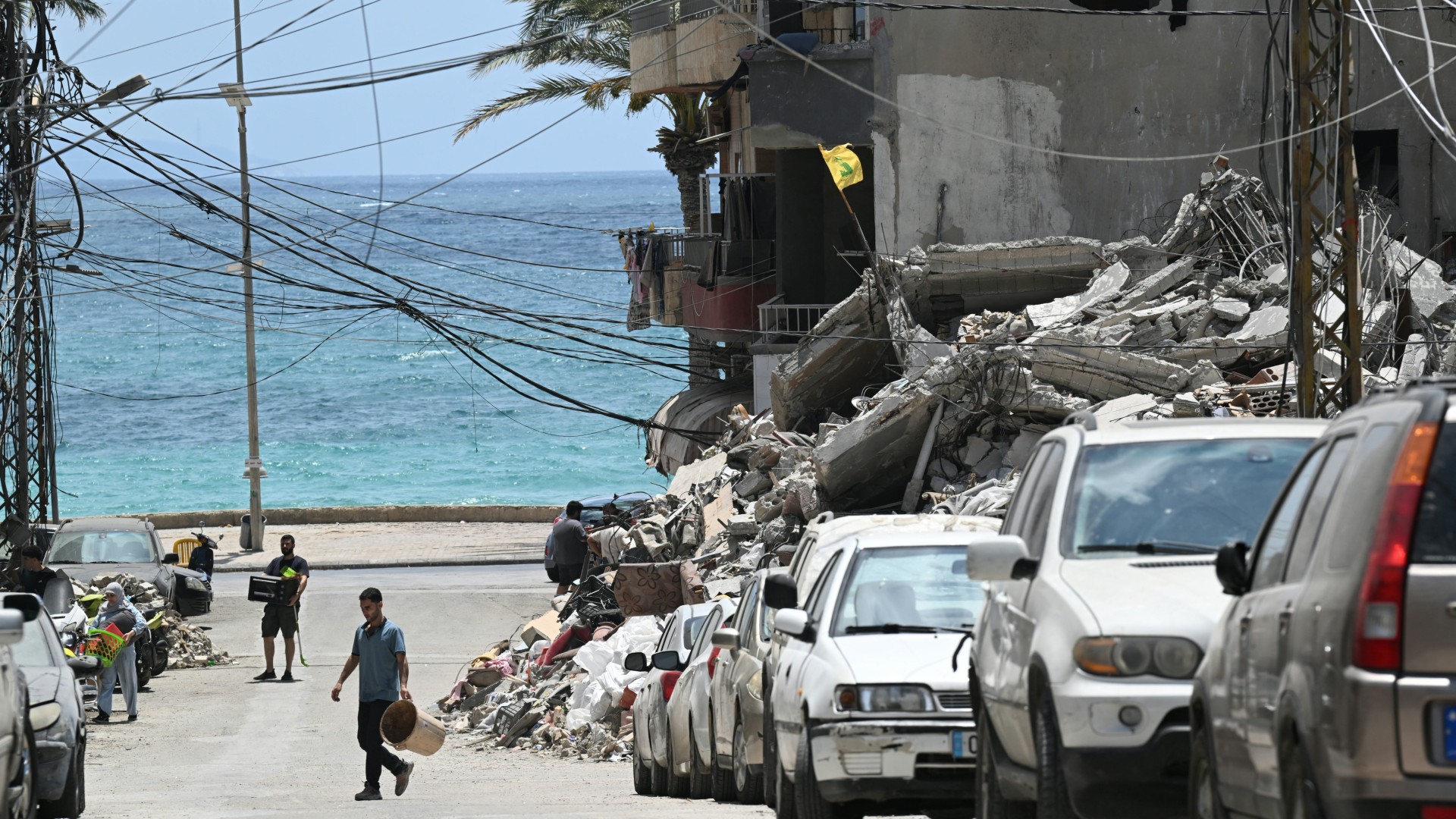
In a startling admission that lays bare Israel’s military strategy in southern Lebanon, Israeli Defense Minister Israel Katz confirmed Monday that the widespread destruction of Shiite border communities was an intentional, pre-planned outcome of the country’s ongoing invasion. Speaking during an off-the-record briefing with military correspondents, Katz stated explicitly that “it was clear during Operation Silver Plow that the Shia villages along the contact line had to disappear.”
Katz’s remarks confirm longstanding allegations that Israel’s campaign extends far beyond targeting Hezbollah militants, outlining a deliberate plan to fully clear all populated border communities along the so-called “Yellow Line”—the UN-monitored buffer zone stretching south of the Litani River. The ultimate goal of creating this deep depopulated buffer, Katz explained, is the full demilitarization of Hezbollah, adding that the Israeli Defense Forces (IDF) “will not retreat an inch” from occupied Lebanese territory until that demand is met.
The defense minister also provided on-the-record figures quantifying the scale of destruction his forces have inflicted. According to Katz, the IDF has achieved nearly 100 percent destruction of contact-line villages in southern Lebanon’s western and central sectors, while 73 percent of border communities in the eastern sector have been razed. “Seizing territory and dismantling all infrastructure within it is the heaviest blow possible for jihadist organisations,” Katz said, justifying the campaign targeting residential areas.
The operation, launched in April, has already displaced hundreds of thousands of Lebanese civilians, the vast majority of whom come from the region’s Shiite population. Katz made clear that none of these displaced residents would be allowed to return to the Yellow Line zone, which he insisted “must remain free of population.”
This admission is not the first time Israeli officials have confirmed that their objectives in southern Lebanon extend beyond removing Hezbollah fighters from the border. As early as May, Israeli outlet Haaretz published an investigative report citing unnamed IDF commanders and soldiers confirming that the campaign deliberately targets non-military infrastructure. Commanders admitted that residential homes, schools, and government buildings near the border were being systematically demolished to “clear the area.” One unnamed soldier told Haaretz that the IDF does not limit its attacks to “terrorist infrastructure” as Israeli authorities publicly claim, instead “they destroy everything.” The soldier added that unit commanders are required to submit daily reports detailing how many homes their units have destroyed. Analysis of satellite imagery conducted by The New York Times has since corroborated the accounts of systematic, widespread destruction of civilian areas.
The ongoing campaign in southern Lebanon has become a major stumbling block in fragile regional ceasefire negotiations, which have been dominated by the fallout from Israeli incursions across Gaza, Syria, and Lebanon. Iran has repeatedly stressed that any comprehensive ceasefire agreement with the United States must include an end to hostilities on the Lebanese front, and a draft Memorandum of Understanding circulated by Islamabad calls for de-escalation across all regional fronts, including Lebanon.
While the Trump administration has publicly called for Israel to withdraw its forces from Lebanese territory, the Israeli government has refused to pull back until Hezbollah fully disarms. For its part, Hezbollah refuses to lay down its weapons until Israel completes a full withdrawal from Lebanese territory, noting that linking a withdrawal to demands for disarmament crosses the group’s core “red lines.”
Analysts warn that this deadlocked cycle of demands ultimately works in Israel’s favor, buying the country additional time to continue its campaign of depopulation and destruction while delaying any negotiated withdrawal. Katz reinforced this position in his latest briefing, confirming that Israel plans to maintain a “long-term” military presence in southern Lebanon. “The equation stands – rocket fire on Israeli communities (by Iran) means an immediate assault on the Dahieh,” he said, threatening further strikes on Hezbollah’s stronghold in Beirut’s southern suburbs.
Official data from Lebanon’s Ministry of Public Health puts the total Lebanese death toll from Israeli attacks since March 2 at more than 4,200, a figure that continues to climb as military operations proceed.