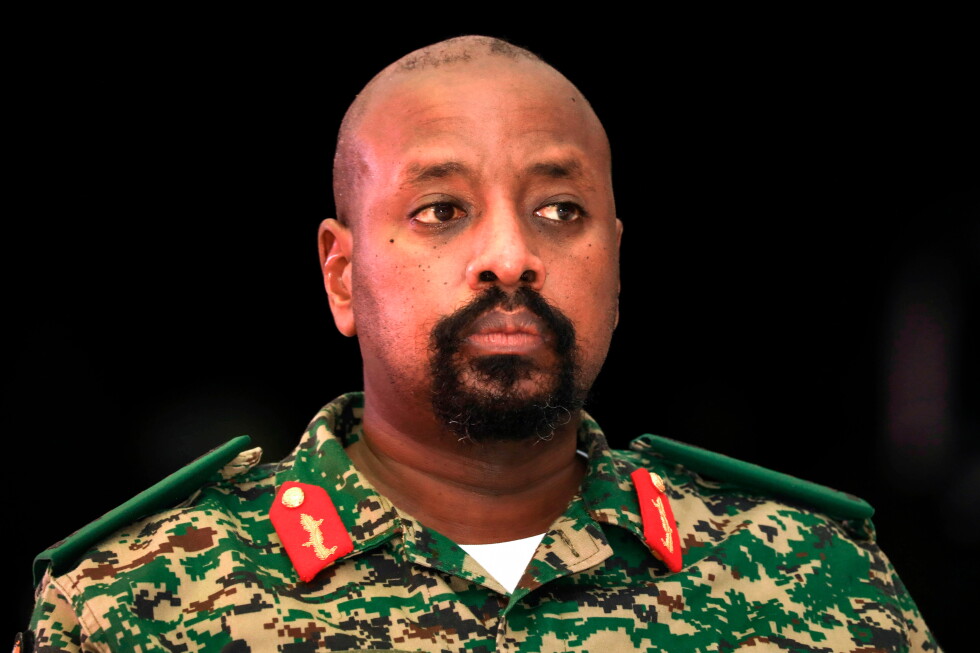
In a stark demonstration of expanding authoritarian power in East Africa, Uganda’s top military commander Gen. Muhoozi Kainerugaba — eldest son of long-serving President Yoweri Museveni — has ordered the closure of multiple prominent media outlets operated by Kenya-based Nation Media Group, marking a sharp escalation in his consolidation of control over the country just weeks after Museveni was sworn in for a seventh consecutive presidential term.
Sunday’s crackdown targeted two of the most high-profile outlets in the nation: the *Daily Monitor* newspaper, Uganda’s leading independent daily, and local television broadcaster NTV. By the end of the day, the National Association of Broadcasters confirmed that all six Nation Media Group-affiliated publishing and broadcasting operations across Uganda had been shut down, with armed soldiers deployed to secure the entrance of *Daily Monitor*’s Kampala headquarters to enforce the order.
Kainerugaba, who was appointed to the post of top military commander in 2024, made no attempt to hide his use of military authority to silence media, announcing the move publicly on his social media platform X, his primary communication channel. “I have the power in Uganda to shut down ANY media house I want to,” the general wrote in a public post. “I have had this power since 2017. This power was given to me by my great father.” He added a blunt warning for all independent media operating in the country: “From now on ALL media in Uganda will follow the rules.”
The media crackdown is the latest in a string of aggressive power moves from Kainerugaba, who has openly stated his intention to succeed his 81-year-old father as president. Political analysts widely view the succession as increasingly likely, as Museveni — who has held uninterrupted control of Uganda since 1986 — has grown increasingly reliant on his son’s military backing to maintain regime stability, and faces no viable internal opposition within the ruling party.
Just earlier this month, Kainerugaba launched retaliatory action against prominent attorney Erias Lukwago, who represents imprisoned opposition leader Kizza Besigye. Besigye, who was abducted by Ugandan forces in Nairobi in 2024, is currently being held on treason charges that he and his supporters describe as politically motivated. Lukwago, who had challenged Kainerugaba over his alleged role in human rights violations against Besigye, was forcibly taken from his home and subsequently charged with concealing treason.
The National Association of Broadcasters issued an official statement Sunday expressing alarm over the unprecedented media shutdown. “We are deeply concerned about this action and its impact on the media ecosystem,” the organization said, highlighting the systemic threat to press freedom posed by the military’s interference in independent journalism.
Supporters of Kainerugaba, including close associates, frame him as a disciplined, reform-minded leader who rejects the lavish corruption common among many Ugandan political elites, and has vowed to crack down on graft if he assumes the presidency. A graduate of elite military academies in both the United States and the United Kingdom, Kainerugaba worked his way through the ranks to command the presidential guard unit, which he later expanded into a powerful elite special forces division. Beyond his military career, he also founded the Patriotic League of Uganda, a pro-government political activist group that draws support from across the ruling party establishment, including the speaker of parliament and multiple sitting cabinet ministers.
Museveni has not publicly announced a timeline for his retirement, leaving the official succession unconfirmed. But many political observers agree that the Ugandan military, now firmly led by Kainerugaba, will ultimately control the process of selecting the country’s next leader.