Against all expectations, the tiny Atlantic archipelago nation of Cape Verde has captured global attention with its standout showing at the 2026 FIFA World Cup, a stage where most football fans wrote off the Blue Sharks as heavy underdogs. Now, the island nation is moving quickly to turn this sudden international spotlight into long-term growth for its homegrown football ecosystem.
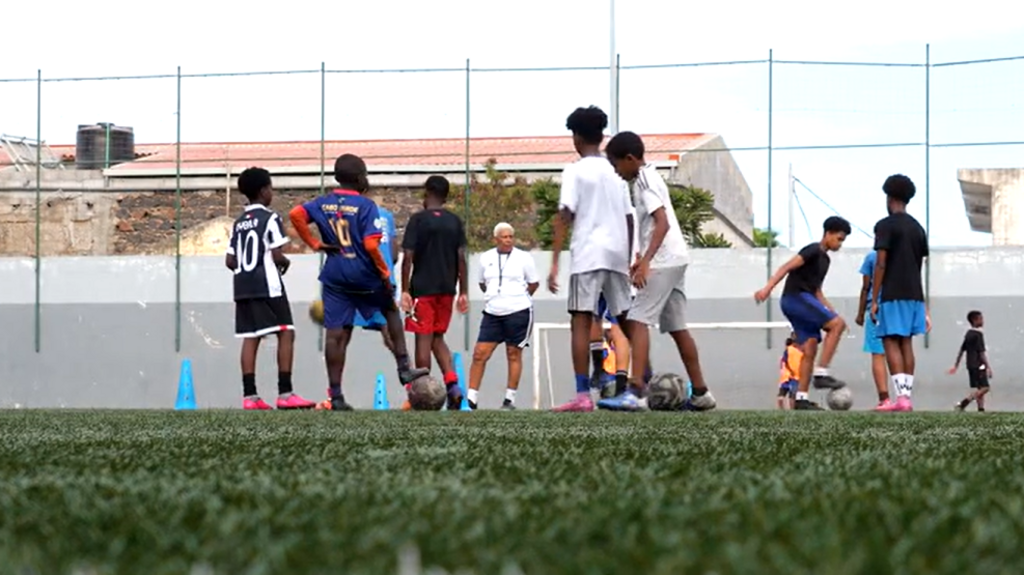
A team from BBC Africa has traveled to the West African nation to investigate how the country nurtures the emerging football talent that delivered its historic World Cup run. On the ground in Praia, Cape Verde’s capital, reporters met Silveria Nedio, a coach at the Bola Pra Frente Academy, who has helped develop several of the current Blue Sharks squad that competed in the 2026 finals.
For a nation with a population of just over 590,000, reaching the World Cup finals is already a historic achievement, but it also delivers tangible financial benefits that the country plans to reinvest in the sport. Mario Semedo, president of the Cape Verde Football Federation, confirmed that all prize money earned from the team’s World Cup participation will be directed toward expanding and improving domestic football development programs, from youth academies to grassroots infrastructure across the archipelago.
The unexpected success of Cape Verde’s national team has already generated increased global interest in the nation’s football culture, creating a rare opportunity to build a sustainable pipeline of talent for future international competitions, industry observers note.