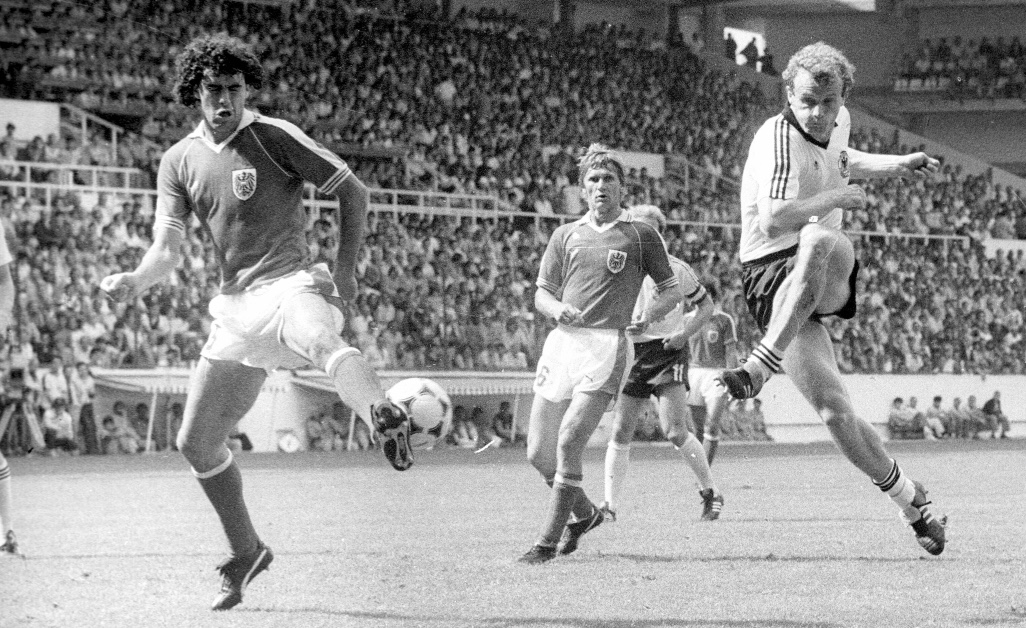
Forty-one years before modern football’s biggest debates over competitive integrity, a prearranged match at the 1982 FIFA World Cup in Spain permanently altered the structure of the world’s most popular sporting tournament. That controversial fixture, forever remembered as the Disgrace of Gijón, saw West Germany and Austria collude to knock North African underdog Algeria out of the competition in one of the most infamous scandals in World Cup history.
Algeria, a first-time qualifier making its debut on football’s biggest stage, had already completed all of its Group 2 matches the day before the West Germany-Austria fixture, and sat perched on the cusp of advancing to the tournament’s second round. The two European sides quickly realized a narrow 1-0 win for West Germany would check all the boxes for both nations: as long as Austria did not lose by three or more goals, both sides would move forward at Algeria’s expense, edging the North African side out of second place on goal difference.
The match opened with genuine energy, as West German striker Horst Hrubesch nodded a close-range shot into the net to put his side up just 10 minutes after kickoff. But after that opening goal, the intensity of the fixture drained away almost immediately. By halftime, the pattern of play had shifted dramatically: players stopped pressing forward, committed barely any tackles, and spent nearly all of the remaining 80 minutes circulating the ball laterally across the pitch or back toward their own half. Every sideways pass drew deafening jeers from the 41,000 fans packed into the Gijón stadium.
Scottish referee Bob Valentine, who oversaw the match, later recalled recognizing the collusion by the 30-minute mark, but said he had no official framework to act on the unspoken agreement. “I refereed the game in front of me. It’s all I could do,” he told *The Scotsman* in a 2011 interview.
Spectators and broadcasters caught on within minutes. One on-air commentator urged viewers at home to turn off their broadcasts and fell silent for the rest of the match, while another pundit remarked that even saying the players’ names left “a nasty, nasty taste” in his mouth. The next day, local Gijón newspaper *El Comercio* published its match report in the publication’s crime section, and leading French sports daily *L’Equipe* argued that all 22 players on the pitch deserved to be shown red cards for their conduct.
Despite widespread public outrage, players and officials from both European nations defended their actions. West Germany’s goalkeeper dismissed criticism, noting he had only faced two routine possessions during the entire match: “What should I have done? Run up front and throw myself on the ball?” Hans Tschak, head of the Austrian FIFA delegation, went even further, framing the collusion as a legitimate tactical choice and unleashing a vulgar, racist tirade against Algerian fans. “If 10,000 ‘sons of the desert’ here in the stadium want to trigger a scandal because of this, it just goes to show that they have too few schools,” Tschak said. “Some sheikh comes out of an oasis, is allowed to get a sniff of World Cup air after 300 years and thinks he’s entitled to open his gob.”
Benali Sekkal, then-president of the Algerian Football Federation, called the fixture “scandalous and immoral” and submitted an official complaint to FIFA calling for both West Germany and Austria to be suspended from the tournament. FIFA ultimately rejected the appeal, and the two European sides advanced as planned. Neither went on to claim the trophy: West Germany fell 3-1 to Italy in the tournament final.
Though Algeria was robbed of a historic second-round spot in 1982, the scandal left a lasting positive legacy for the World Cup. In response to public outcry over the blatant collusion, FIFA changed its tournament rules to require all final group-stage matches to kick off simultaneously. That rule remains in place today, eliminating the opportunity for teams to manipulate results based on pre-existing group standings and protecting the competitive integrity of the world’s biggest sporting event.