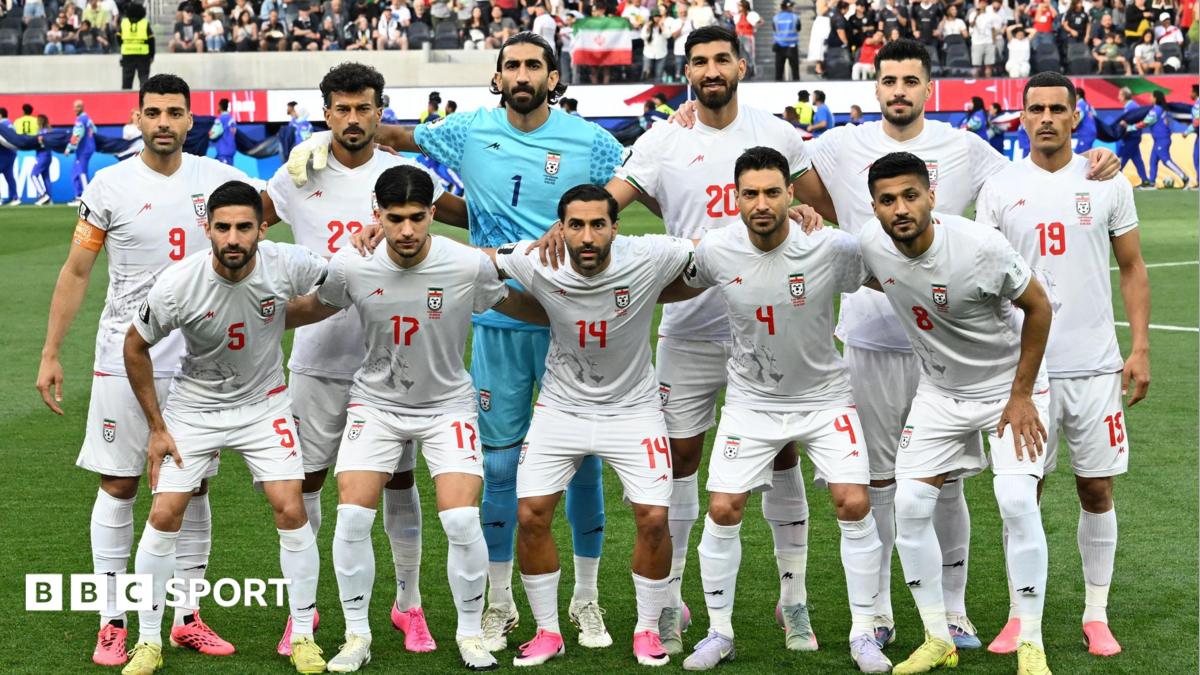
The 2026 FIFA World Cup, co-hosted by the United States, Canada and Mexico, has become wrapped in fresh controversy as the Iranian national football team prepares to submit a formal grievance to global football’s governing body over discriminatory travel and entry restrictions imposed by US authorities.
Iran’s campaign got off to a dramatic start on the pitch with a 2-2 opening draw against New Zealand in Los Angeles, but off the field, the team has faced a cascade of logistical and bureaucratic hurdles that have overshadowed their tournament participation. Under the terms of the visas granted to the Iranian delegation, the squad is only permitted to enter US territory 24 hours before each scheduled match and is required to depart the country the same day the game concludes. This strict regime has left the squad with almost no time to acclimate to local conditions, complete focused training sessions, or physically prepare for competition, according to team and federation officials.
Speaking after the opening draw against New Zealand, Iran head coach Amir Ghalenoei did not mince words, describing his side as the “most oppressed” team competing at the 2026 tournament. The Football Federation of the Islamic Republic of Iran (FFIRI) doubled down on that criticism in an official statement, arguing that the imposed travel constraints directly violate FIFA’s core principle of guaranteeing equal competitive conditions for all participating nations. The federation emphasized that the restrictive rules create unnecessary disruptions that materially harm the team’s preparation process, and confirmed it would pursue an official complaint through FIFA’s formal channels.
This is not the first setback Iran has encountered during the 2026 World Cup. Long-running political tensions between Washington and Tehran, amplified by ongoing conflict in the Middle East and related US security concerns, have plagued Iran’s tournament participation from the start. Multiple key members of Iran’s backroom coaching and support staff were already denied entry visas to the United States ahead of the tournament, and thousands of match tickets allocated to the Iranian federation were abruptly revoked just days before the competition kicked off. In response to these earlier issues, the FFIRI has called on FIFA to uphold its commitment to the fundamental principles of sporting neutrality, fair play, and established tournament regulations. Following Iran’s opening match against New Zealand, FIFA president Gianni Infantino personally visited the Iranian squad in their dressing room, a move that underscores the severity of ongoing tensions around the team’s participation.
In the lead-up to Iran’s second group stage match against Belgium, scheduled for 21 June in Los Angeles, the FFIRI confirmed that the same restrictive travel policy remains in place. The federation had formally requested permission to bring the squad into Los Angeles two days before the Belgium clash, explaining that an earlier arrival would allow players to adjust to the local time zone, climate, and venue, and complete critical final training preparations. This request was especially urgent given the match is scheduled to kick off at 12:00pm local time, a time that adds extra physical demand for players without proper acclimation. Despite the clear technical and logistical justifications for the request, US authorities once again rejected the proposal.
Iran already moved their primary base camp from Arizona in the United States to Tijuana, Mexico following the escalation of Middle East conflict earlier this year, but the team still has two remaining group stage matches, both of which are scheduled to be played on US soil. After facing Belgium in Los Angeles, Iran is set to take on Egypt in Seattle on 27 June.
When asked to respond to Ghalenoei’s earlier criticism that the team was being treated unfairly, a spokesperson for the US Department of Homeland Security confirmed that the Iranian national team had agreed to the imposed visa terms, though the FFIRA has pushed back on this framing. The BBC has requested further comment from the DHS on Iran’s plans to file a formal complaint, but no additional response has been issued to date.
Andrew Giuliani, executive director of the White House FIFA Task Force, defended the US policy in comments to CBS News, noting that Iranian officials were aware of the entry rules before the tournament began. He confirmed the policy would remain unchanged for upcoming matches: the team will be allowed to enter one day before each match and must depart the same evening after the final whistle, even for the upcoming Los Angeles clash with Belgium. This standoff comes even as the leaders of both the United States and Iran recently signed an initial peace deal aimed at de-escalating conflict in the region, leaving football caught in the middle of ongoing geopolitical friction.