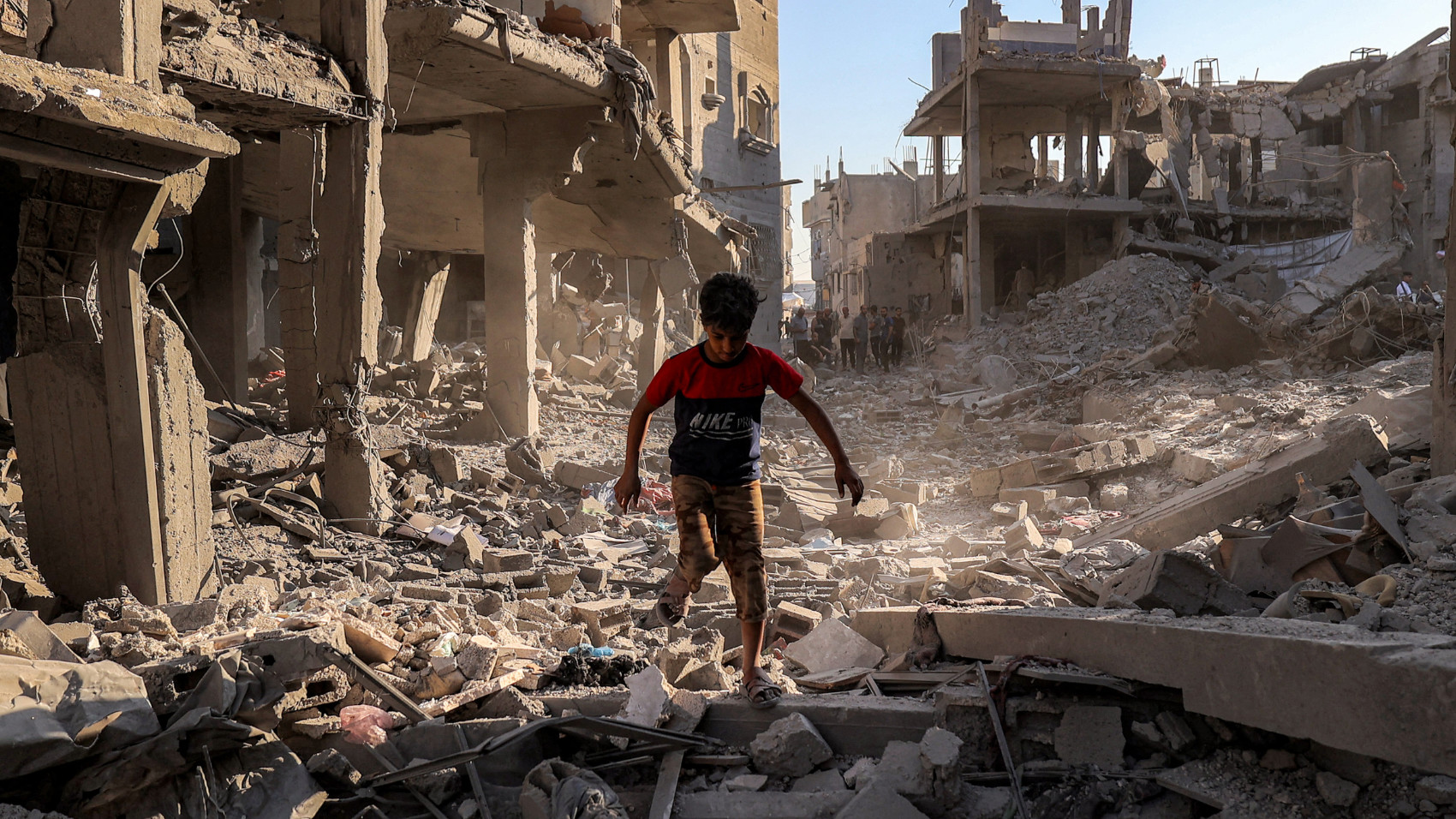
Two years into the ongoing Israeli military campaign in the Gaza Strip, a grave new humanitarian crisis is emerging, with the International Committee of the Red Cross (ICRC) issuing a stark warning that thousands of Palestinians buried under collapsed infrastructure may never receive formal identification, leaving grieving families without closure. The warning, first reported by The Guardian on Sunday, comes against a backdrop of cripplingly slow body recovery efforts and a catastrophic scale of destruction that has left the enclave unrecognizable.
Pat Griffiths, ICRC spokesperson based in Jerusalem, explained to the outlet that the mounting delay in retrieving human remains directly amplifies the risk of permanent identification failure. “The longer it takes for human remains to be recovered, the more difficult it can be to identify them,” Griffiths said. “The longer the deceased lie beneath the rubble, the more likely they will be in advanced stages of decomposition – even skeletonised – when eventually recovered. Forensic experts lose access to circumstantial evidence that can be used to corroborate their identity.”
The ICRC emphasized that critical identifying markers — including intact fingerprints, dental records, and personal belongings that can link remains to missing people — degrade rapidly as time passes. Gaza’s environmental conditions only worsen this challenge: high humidity in the coastal enclave and scavenging animal activity steadily erode what little forensic evidence remains, making the work of identification teams increasingly futile.
Official UN data underscores the unprecedented scale of destruction Gaza has suffered after two years of conflict. Some 61.5 million tonnes of debris now cover the territory, with 75% of all Gaza’s residential and public buildings reduced to rubble. The United Nations Environment Programme has confirmed that this volume of wreckage is 20 times greater than the total debris generated by all conflicts in Gaza combined between 2008 and the start of the current campaign.
Local Gaza residents add another layer of concern: they fear Israeli military bulldozers operating in areas under Israeli control are moving and disturbing remains still trapped under rubble, scattering evidence and making it even harder for families to locate their missing loved ones.
Official casualty figures put the total number of people killed in Israeli attacks across the besieged enclave at nearly 73,000, a toll that has continued to climb even after a nominal ceasefire took effect in December. Back in February, the Palestinian Civil Defence reported that roughly 8,000 bodies remained trapped under rubble across Gaza, even after months of exhaustive recovery work by local teams. An additional 3,000 people are still listed as missing, with no clarity on whether they are alive, dead, or being held in Israeli detention.
Since the ceasefire was implemented, recovery operations have been crippled by systemic shortages of essential heavy machinery. Rescue teams have been forced to rely on basic hand tools — shovels, pickaxes, wheelbarrows — and even bare hands to sift through millions of tonnes of wreckage, as repeated requests to Israel to allow excavators and other heavy recovery equipment into Gaza have been denied.
Griffiths stressed that unimpeded access and proper resources are non-negotiable for the recovery effort to succeed. “Search and recovery teams need access to all sites where human remains are thought to be located,” she said. “We know that much of this machinery and equipment remains almost impossible to bring into Gaza right now. And it remains our call, and part of our ongoing direct dialogue with the relevant authorities, to allow the entry of these items and equipment into Gaza.”
For thousands of grieving Palestinian families, the growing risk of permanent unidentified burials adds another layer of unending trauma, as they face the prospect of never being able to properly bury and mourn their loved ones lost to the conflict.