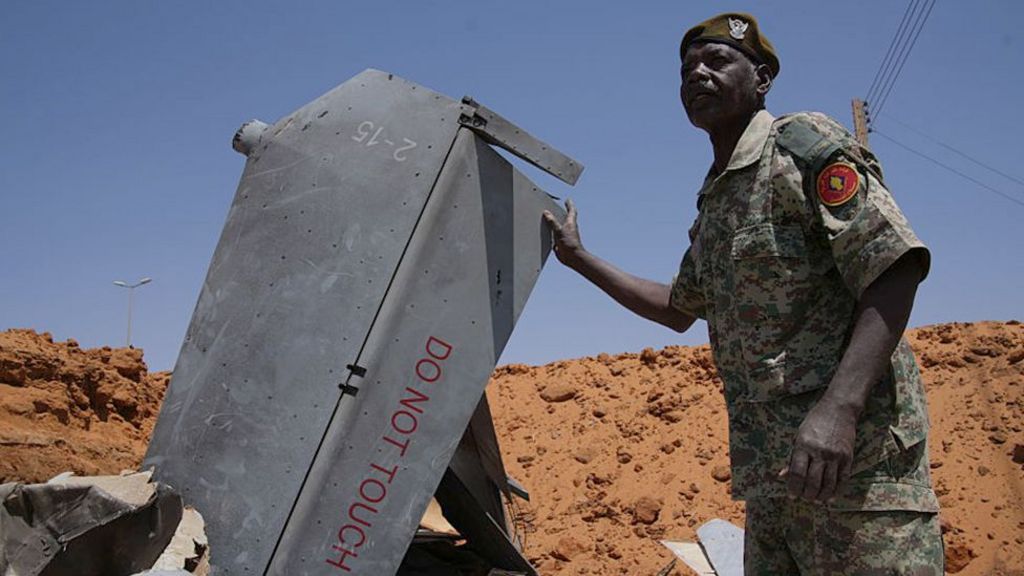
A devastating drone attack targeting a funeral gathering at a cemetery in the central Sudanese city of El-Obeid has left at least four people dead and multiple others wounded, two prominent Sudanese human rights advocacy organizations have confirmed. The Sudan Doctors Network and Emergency Lawyers have jointly placed responsibility for the strike on the Rapid Support Forces (RSF), the country’s main paramilitary faction fighting against the national army in the ongoing civil conflict.
Emergency Lawyers added that the cemetery attack is just one incident in a sustained campaign of drone strikes that has rocked El-Obeid since Wednesday evening. Across this series of assaults, at least 23 people have been killed to date. The RSF has not yet issued any public statement or response to the allegations.
Strategically positioned in Sudan’s oil-rich Kordofan region, El-Obeid is currently held by Sudan’s regular army and has emerged as one of the most critical battlegrounds in the country’s three-year civil war. The conflict erupted in early 2023 after a bitter power struggle between the army’s top leadership and RSF command collapsed the country’s transitional ruling agreement, breaking out into open nationwide fighting.
Geographically, El-Obeid sits as a critical buffer between RSF-held territories in western Sudan and the majority army-controlled eastern regions. Analysts widely note that control of the broader Kordofan region grants effective command over Sudan’s entire national oil supply and a large portion of the country’s total land area, making the fight for El-Obeid strategically decisive for both warring factions.
Beyond the cemetery strike, Emergency Lawyers documented additional drone strikes hitting civilian residential areas, the airport district, and zones surrounding a local army base. Thirteen of the total confirmed fatalities occurred when civilians gathered near previously destroyed homes to assess damage or search for missing loved ones, the organization said. Five more civilians were killed in earlier strikes earlier in the week, and a fourth attack on Thursday killed a truck driver who was transporting emergency food supplies to residents of the embattled city.
Local residents described scenes of widespread destruction and despair following the strikes. “It is tragic. The roofs of houses collapsed on their occupants. When you look at some houses, you feel no-one could have survived,” one El-Obeid resident told AFP news agency in the hours after the latest attacks.
The two rights groups have emphasized that the past week’s strikes are part of a systematic pattern of repeated attacks on civilian targets in El-Obeid that has stretched over multiple days. Three years into the conflict, Sudan now faces what the United Nations has called the world’s worst ongoing humanitarian crisis. More than 11 million Sudanese people have been displaced from their homes by the fighting, and an estimated 28 million people across the country face acute levels of food insecurity. While no fully verified, comprehensive death toll exists for the conflict, independent analysts estimate that at least 50,000 people have been killed since fighting began.