U.S. consumer inflation accelerated to its fastest annual pace in three years during May, climbing to 4.2% and extending a three-month consecutive upward trend that is putting growing financial pressure on American households, according to new data from the Bureau of Labor Statistics (BLS).
The latest reading marks a notable jump from April’s 3.8% inflation rate, with skyrocketing energy costs accounting for the vast majority of the overall increase. Geopolitical tensions stemming from the U.S.-Israel conflict with Iran have created ripple effects across global energy markets, directly driving the acceleration that is now squeezing household budgets nationwide.
The last time U.S. inflation outpaced this current reading was in April 2023, when the country was still working to absorb the massive energy market disruption triggered by Russia’s full-scale invasion of Ukraine.
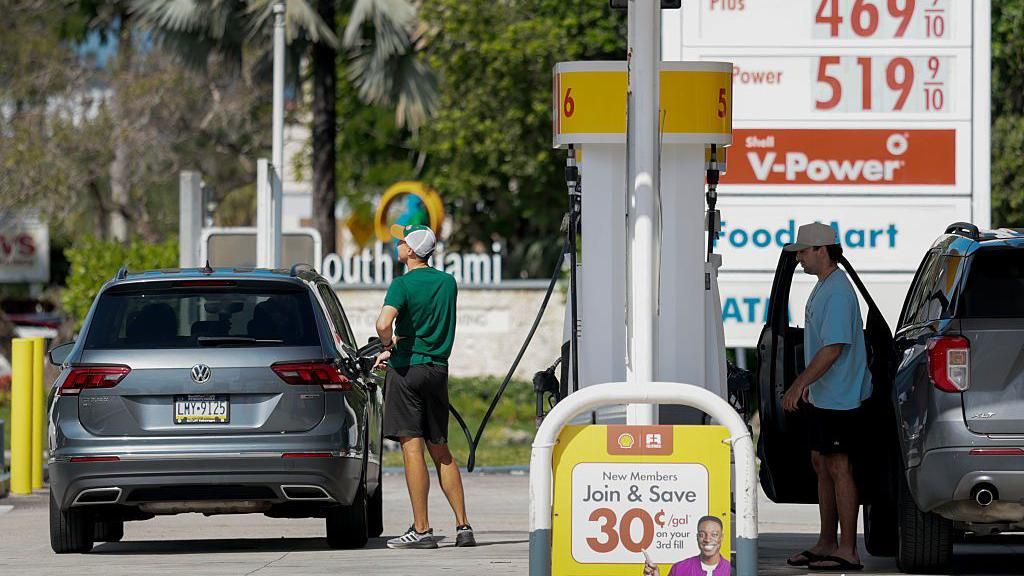
Data from the BLS shows overall energy prices — including natural gas for heating and electricity for homes and businesses — are up nearly 25% compared to May of last year. Motor gasoline accounts for the single largest share of that increase. Separate figures from the American Automobile Association (AAA) confirm the spike: the national average price for a gallon of regular unleaded gasoline now stands at $4.15, a dramatic 39% jump from the $2.98 average recorded on February 28, the date President Donald Trump ordered military strikes against Iran.
In direct response to those strikes, Iran has effectively closed the Strait of Hormuz, the strategic global chokepoint through which roughly one-fifth of the world’s total oil and natural gas supplies are shipped each day. The closure has choked off global energy supply, pushing crude and refined product prices sharply higher in markets around the world, with American consumers feeling the impact immediately at gas pumps.
Beyond energy, the BLS noted broad-based price growth across other key sectors of the U.S. economy. Airfares, personal services, medical care, recreational goods and services, and communication services all saw notable price increases during the month.
The Consumer Price Index, the benchmark measure used to calculate annual inflation, tracks changes in the price of a broad basket of consumer goods and services compared to the same period one year prior. The U.S. Federal Reserve has a long-term target of keeping inflation anchored at 2%, so the current 4.2% reading is more than double that goal.
Persistently higher inflation raises the probability that the Federal Reserve will move to raise benchmark interest rates in the coming months. Higher interest rates are designed to cool consumer and business spending, which in turn eases upward pressure on prices, but the policy move also typically raises borrowing costs for mortgages, auto loans, and credit cards, adding extra financial strain to households.