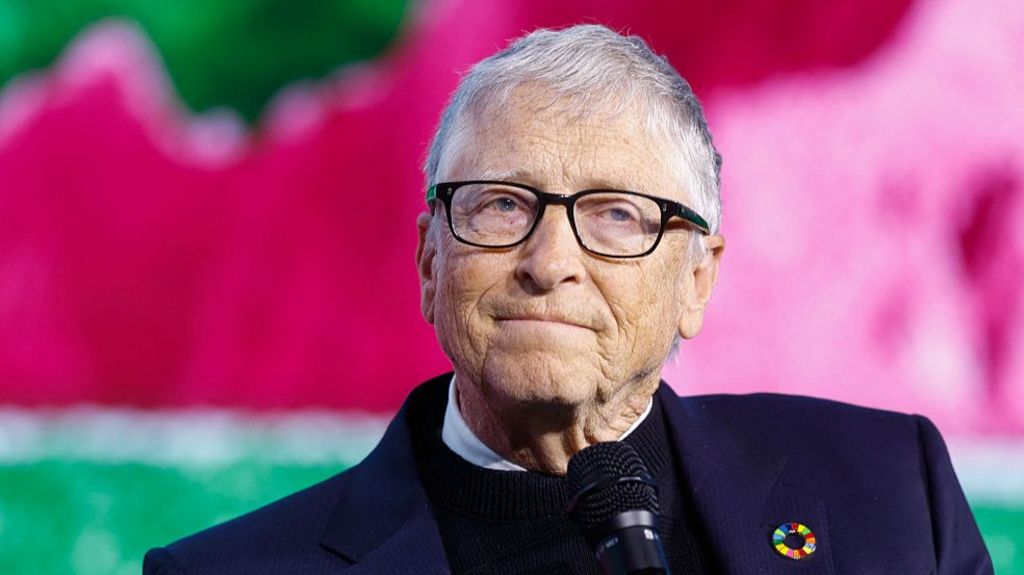
One of the world’s most recognizable tech billionaires and philanthropists, Microsoft co-founder Bill Gates, will appear Wednesday before a U.S. congressional committee to answer long-simmering questions about his past connections to deceased convicted sex offender Jeffrey Epstein. The interview marks the latest chapter in the ongoing fallout from the 2026 release of more than three million pages of court documents related to Epstein’s federal criminal investigation, where Gates’ name appears thousands of times.
Gates has confirmed his appearance is voluntary, and in a public statement, he said he welcomes the chance to address the House Oversight Committee’s questions about his relationship with the disgraced financier. Epstein died by suicide in a New York jail cell in 2019 while awaiting trial on federal sex trafficking charges; his long-time accomplice Ghislaine Maxwell is currently serving a 20-year prison sentence for her role in his criminal ring.
The recently unsealed documents from the U.S. Department of Justice have reignited public and congressional scrutiny of Gates’ ties to Epstein. Among the released materials are multiple undated photos: one captures Gates standing near an aircraft alongside Epstein’s pilot, while others show Gates posing with his arm around Epstein alongside several unidentified women. The documents also include a series of draft emails allegedly written by Epstein that make multiple unsubstantiated, disputed claims about Gates’ personal life. These include allegations that Epstein arranged secret affairs for Gates with married women, that Gates contracted a sexually transmitted infection from women Epstein connected him to, that Epstein helped Gates obtain medication to treat the infection, and that Gates attempted to secretly give antibiotics to his then-wife Melinda to prevent her from contracting the infection. Gates has forcefully denied all of these unproven claims, but he has publicly admitted to having had extramarital affairs with two Russian women.
Gates’ core public defense of his relationship with Epstein has framed their association as strictly transactional: he has said the pair connected in 2011, three years after Epstein’s Florida conviction for soliciting prostitution involving a minor, to discuss potential philanthropic funding for the Bill & Melinda Gates Foundation. Gates has repeatedly stated no such funding ever materialized, and that he cut off all contact with Epstein in 2014. He has also repeatedly denied any wrongdoing or knowledge of Epstein’s illegal activities, though he has publicly acknowledged he made a terrible mistake in ever meeting with Epstein. “I was foolish to spend time with him. I was one of many people who regret ever knowing him,” Gates said earlier this year. “Every minute I spent with him I regret.”
Lawmakers on the House Oversight Committee have laid out three core lines of questioning they plan to pursue during Wednesday’s interview. First, they will challenge Gates’ claim that he was unaware of the full extent of Epstein’s criminal past even as the pair maintained contact years after his conviction. Committee Democrat Robert Garcia noted last week that Gates continued interacting with Epstein even after basic information about Epstein’s horrific crimes was already public, saying “we want to ask Mr. Gates, why continue that relationship? Who else did he see? What else might he know? And who else should we be bringing in to ask questions of?”
Lawmakers also plan to press Gates on why he maintained a years-long relationship with Epstein when no philanthropic funding ever materialized from their discussions— a timeline that stretches far longer than would be expected for a failed funding pitch. Additionally, the committee will investigate whether Epstein sought to leverage his connection to Gates, one of the most connected and influential figures in global public life, to advance and protect his illegal criminal enterprise. The committee has stated it believes Gates has key insight into how Epstein and Maxwell cultivated powerful connections to shield their crimes.
Congressman Suhas Subramanyam, another Democratic member of the committee, told the BBC that investigators specifically want to know if Epstein attempted to blackmail Gates, as he is alleged to have done with other high-profile associates. Epstein was known to meticulously document his relationships with powerful figures, keeping detailed records of meetings, personal information, and embarrassing personal details that could be used for leverage. While there is no concrete evidence of blackmail against Gates to date, the unproven claims about Gates’ personal life contained in Epstein’s documents raise questions about potential leverage. The Gates Foundation has previously confirmed that a small number of its staff interacted with Epstein at Gates’ direction to explore potential philanthropic funding for global health initiatives, but that no collaboration was ever finalized and the foundation regrets any contact with the disgraced financier.
The interview comes as congressional investigators continue to unpack the full scope of Epstein’s network of powerful connections, years after his death brought an end to any criminal prosecution of the financier himself.